
Food Station Catering Vs. Buffet: What Are The Main Differences?
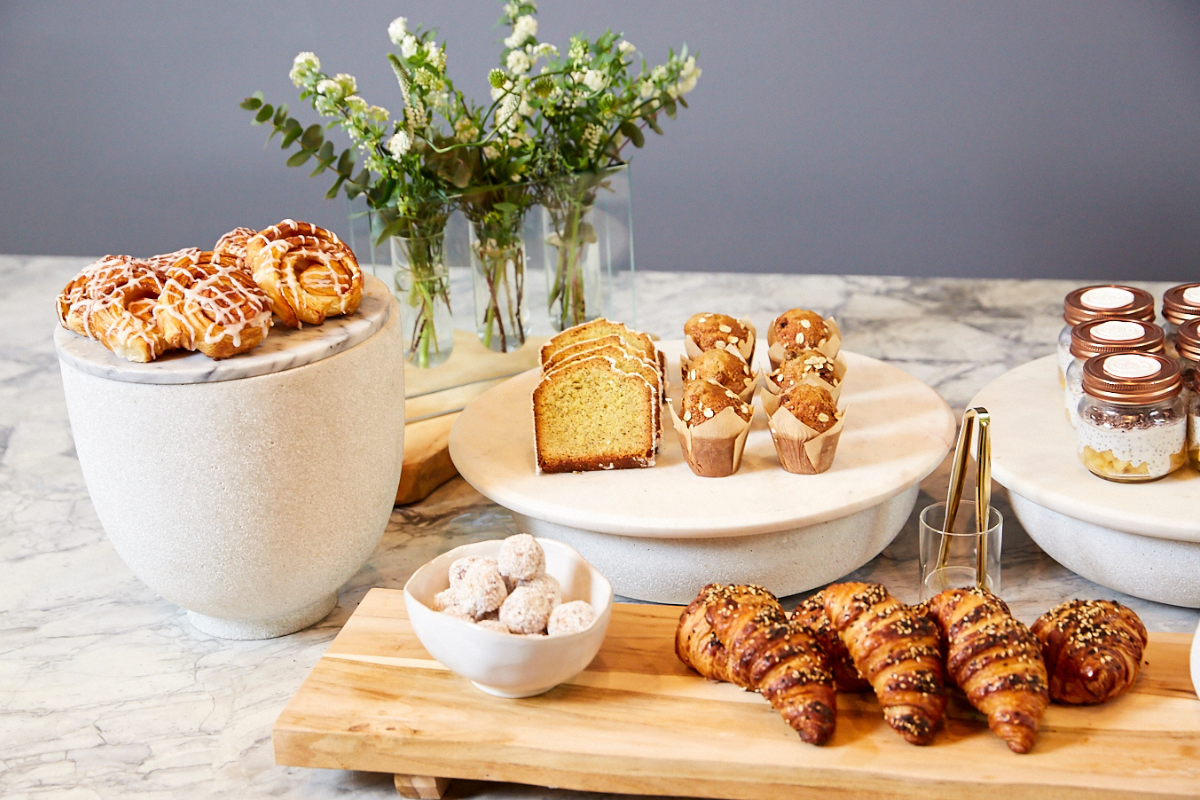
When planning an event in New York City, one of the most important decisions you will make is how the food will be presented. The format of service shapes the energy of the room, the guest experience, and even how long people linger and connect. Two of the most common options are food station catering and traditional buffet service. While they may appear similar at first glance, the differences between them are significant.
Food station catering has become increasingly popular for weddings, corporate events, and social celebrations across NYC. At the same time, buffet service remains a familiar and practical choice for many gatherings. Understanding the main differences between food station catering and buffet service will help you determine which style best supports your event goals.
At Cloud Catering and Events, every event is viewed as a collaborative expression built on thoughtful design and exceptional hospitality. That philosophy plays a key role in choosing between food station catering and buffet service.
What Is Food Station Catering?
Food station catering is a dynamic service style where multiple culinary stations are set up throughout the event space. Each station typically features a distinct cuisine, theme, or course, often attended by chefs who prepare or finish dishes in front of guests.
Unlike a single buffet line, food station catering encourages guests to move freely around the room, exploring different flavors and interacting with chefs. This format blends the casual nature of self-service with the refinement of plated dining.
Cloud Small Plate Stations are designed to combine a relaxed dining experience with the sophistication of a seated dinner. In food station catering, dishes are often presented in thoughtfully composed portions, allowing guests to sample multiple offerings without committing to one large plate.
The result is an immersive culinary experience that feels curated and engaging.
What Is Traditional Buffet Service?
A traditional buffet typically consists of one or two long tables where all dishes are arranged in sequence. Guests move down the line with a plate, selecting items as they go. Buffet service is often efficient and straightforward, making it a practical option for large guest counts.
Buffets usually present the full meal in one location, with appetizers, main courses, and sides grouped. While this format can still be elevated with beautiful presentation and high-quality cuisine, the structure itself is more centralized and linear than food station catering.
The buffet style works well for events where speed and simplicity are priorities. However, it may not offer the same level of interaction or visual impact as food station catering.
Guest Flow and Interaction
One of the main differences between food station catering and buffet service lies in guest movement and interaction.
Food station catering naturally encourages circulation. With multiple stations placed throughout the venue, guests disperse across the room. This reduces long lines and creates opportunities for conversation as people gather around different culinary displays.
Because food station catering often includes chef-attended elements, it adds a layer of personal engagement. Guests can ask questions about ingredients, preparation methods, and flavor pairings. This interactive component transforms dining into part of the entertainment.
In contrast, buffet service typically creates a single flow of traffic. Guests line up, fill their plates, and then return to their tables. While this approach is organized, it may limit opportunities for spontaneous interaction compared to food station catering.
Presentation and Visual Impact
Design plays a significant role in differentiating food station catering from buffet service. At Cloud Catering, there is a strong emphasis on balance and fine design, refining every detail until nothing more needs to be added and nothing is left to take away. This attention to visual composition is particularly evident in food station catering.
Each station can be styled to reflect a specific theme or cuisine. For example, a seafood station might feature crushed ice displays and vibrant garnishes, while a carving station could highlight warm wood tones and elegant plating. The separation of stations allows for creative staging and layered presentation.
Buffets, while capable of being beautifully arranged, often present dishes in chafing dishes or serving platters aligned in a row. The aesthetic is cohesive but more uniform. Food station catering, by contrast, offers visual variety throughout the event space.
Culinary Experience and Menu Variety
Another key difference between food station catering and buffet service is how guests experience the menu.
With food station catering, menus are often curated into distinct concepts. One station may focus on seasonal vegetables and composed salads, another on premium proteins, and another on globally inspired small plates. Guests build their own tasting journey throughout the evening.
Cloud Catering’s culinary team has trained at Michelin-starred restaurants around the world. That expertise allows food station catering to feel refined and restaurant-inspired. Dishes such as Tea Smoked Sasso Chicken or Duo of Venison can be adapted into station-style presentations that maintain their integrity and elegance.
Buffets typically present the entire meal at once. Guests choose their preferred items in a single pass. While this can be satisfying and convenient, it may not create the same sense of discovery as food station catering.
Atmosphere and Event Tone
Food station catering tends to create a more dynamic and social atmosphere. Because guests move between stations and engage with chefs, the room feels active and energetic. This format works especially well for networking events, milestone celebrations, and modern weddings where mingling is encouraged.
Buffet service can feel more traditional and structured. Guests often return to assigned seating after serving themselves. This format may suit events where formal speeches or presentations are central to the schedule.
Choosing between food station catering and buffet service depends on the tone you want to set. If the goal is to create an interactive and contemporary dining experience, food station catering often provides a stronger impact.
Staffing and Service Considerations
Food station catering typically requires more staff involvement. Chef attended stations, replenishment teams, and service staff worked together to maintain presentation and quality. This level of attention aligns with Cloud Catering’s hospitality philosophy, where success is measured by creating memorable experiences for guests and clients.
Buffet service can require fewer culinary attendants, focusing instead on setup, replenishment, and clearing. While still professional and polished, the service style is generally less interactive than food station catering.
Which Option Is Right for Your Event?
Both food station catering and buffet service have their advantages. Buffet service offers familiarity, efficiency, and simplicity. Food station catering delivers engagement, visual interest, and a more curated culinary journey.
In a city like New York, where guests often expect innovation and elevated hospitality, food station catering has become a preferred choice for those seeking something beyond the ordinary. By combining thoughtful design, refined cuisine, and attentive service, food station catering transforms a meal into an experience.
Ultimately, the main differences between food station catering and buffet service come down to interaction, presentation, and atmosphere. Understanding these distinctions allows you to select the format that best supports your vision and ensures your event feels cohesive, intentional, and unforgettable.