
Gala Catering Essentials for High-End Corporate and Nonprofit Events
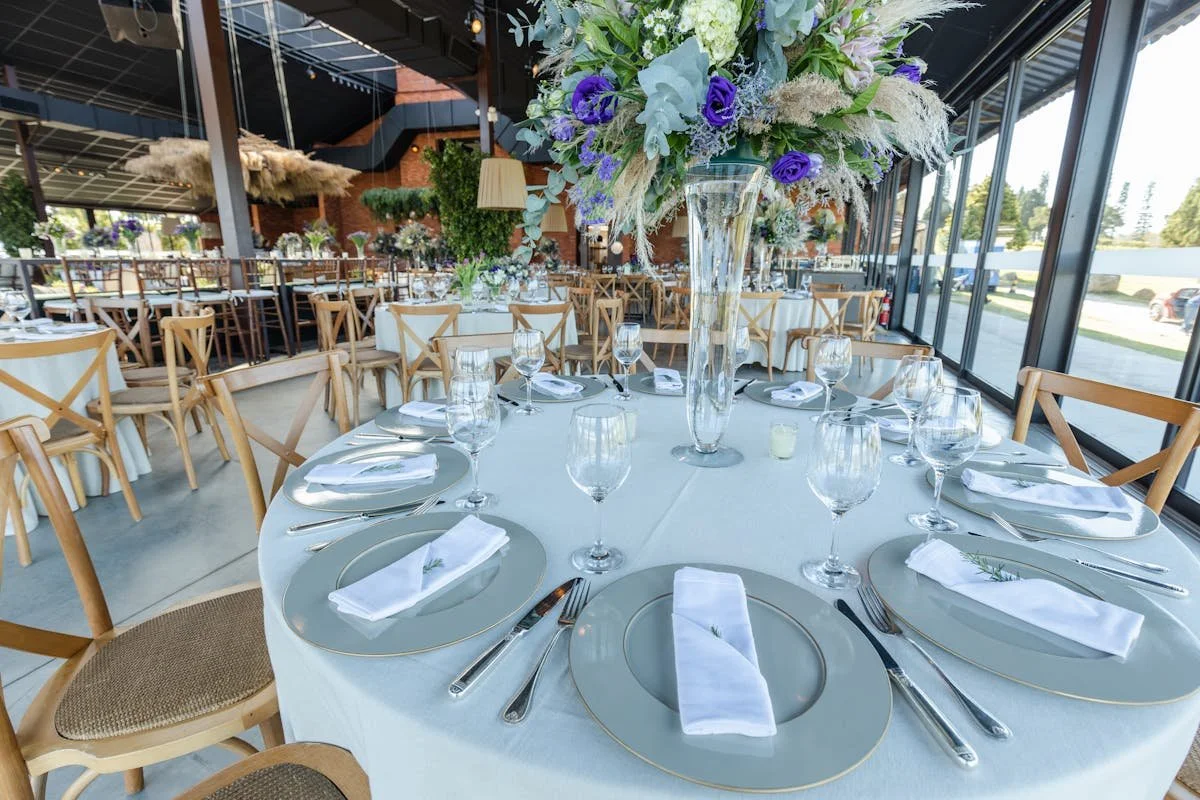
Quick answer: Gala catering essentials for high-end corporate and nonprofit events include a menu designed around the evening's purpose, presentation that complements the venue, a professional service team that moves with the program, graceful accommodation of every dietary need, and behind-the-scenes logistics that keep the event flowing without interruption. When these elements work together, catering becomes one of the strongest tools a host organization has for building relationships and inspiring generosity.
Gala catering at the highest level is an experienced discipline, shaping how guests feel about the host organization from the first passed hors d'oeuvre to the final course.
Corporate galas and nonprofit galas ask different things of a catering team, and the best partners adjust menu, pacing, and service style to match the purpose of the evening.
The essentials come down to five things: intentional menu design, refined presentation, seamless service, thoughtful guest accommodation, and logistics that stay invisible.
What Gala Catering Needs to Accomplish at a High-End Event
At a high-end gala, catering goes far beyond food service. It creates an intentional experience aligned with the tone of the evening and the values of the organization hosting it. A corporate gala is often about brand image, client relationships, and giving key guests a reason to remember the company well. A nonprofit gala centers on storytelling and donor engagement, using the evening to connect guests emotionally to a mission.
In both cases, gala catering must feel intentional. Every course, every presentation choice, and every service interaction should reinforce the sense that guests are part of something meaningful.
Seamless execution matters just as much as the menu itself. Guests notice when details feel disjointed or rushed, even if they cannot name exactly what went wrong. When catering is planned and delivered well, attendees stop thinking about logistics entirely and focus on the programming, the people, and the purpose of the night.
Menu Design as the Core Gala Catering Essential
Menu design shapes the gala experience more than any other single decision. The strongest gala menus are elevated yet approachable, sophisticated enough to signal the caliber of the event while remaining welcoming to a large and diverse guest list.
Seasonality and thoughtful sourcing communicate quality without a word being spoken. A late-autumn gala menu built around what is at its peak that month reads as considered and current. Guests at this level of event dine well often, and they recognize the difference between a menu built for the room and a menu pulled off a shelf.
Timing is the other half of menu design. Courses need to move in coordination with the evening's programming, whether that means holding service during a keynote, pacing dinner around a live auction, or landing dessert just as the program closes. A gala catering NYC team that plans service around the run of show, rather than alongside it, keeps the entire evening feeling cohesive.
Presentation and Visual Impact at Gala Events
High-end galas are visual experiences, and catering plays a significant role in the overall aesthetic. Plating, serving vessels, buffet and station styling, and table layouts should all align with the venue, the decor, and the tone the host wants to set.
Presentation done well never competes with the room. In a landmark venue or a dramatic ballroom, the food should feel like an extension of the environment, integrated rather than intrusive. Visual polish also affects how comfortable guests feel. A beautifully set table and a gracefully composed plate signal that every detail of the evening has been considered, putting guests at ease and elevating their perception of the event.
Service Excellence as a Defining Factor
The service team is where gala catering essentials become visible to guests in real time. Professional gala service staff read the room. They know when to engage warmly, when to stay unobtrusive, and how to keep a dining room of several hundred guests moving on a shared rhythm without ever appearing hurried.
That level of polish comes from training and coordination. Captains, servers, and culinary staff working from a shared timeline can clear a course, reset a room, and transition into a program segment in minutes. For the host, this is the difference between spending the evening managing details and spending it with guests, donors, and clients where they belong.
How Catering Supports Fundraising and Corporate Goals
For nonprofit galas, catering plays a direct role in fundraising outcomes. Comfort, enjoyment, and emotional connection all influence donor engagement, and a thoughtfully catered evening creates the conditions where guests feel inspired and generous. A rushed dinner or a long wait at the bar works against the mission moments the event is built around.
Corporate gala catering serves a parallel purpose. The quality of the food and service becomes a proxy for the quality of the company itself. A flawless dinner strengthens client relationships, reinforces brand identity, and tells every guest in the room that the host operates at a high standard in everything it does.
| Element | Corporate Gala | Nonprofit Gala |
|---|---|---|
| Primary Goal | Brand image and client relationships | Donor engagement and mission storytelling |
| Menu Approach | Polished and impressive, reflecting company standards | Warm and welcoming, supporting an emotional arc |
| Service Pacing | Built around speeches, awards, and networking time | Built around appeals, auctions, and program moments |
| Guest Experience Focus | Making clients and partners feel valued | Making donors feel connected and inspired |
| Measure of Success | Strengthened relationships and brand perception | Giving results and long-term donor loyalty |
Accommodating Guests With Thought and Grace
Inclusivity is a gala catering essential that separates truly high-end events from merely expensive ones. A guest list of several hundred people will always include a range of dietary needs, from allergies and intolerances to religious and lifestyle preferences.
The goal is to accommodate every one of those needs seamlessly, without drawing attention to differences at the table. That means alternative courses that match the beauty and quality of the main menu, service staff briefed on exactly who receives what, and a kitchen disciplined enough to prevent cross-contact.
When a guest with a serious allergy dines as well as everyone else and never has to flag down a server to ask, the host organization has quietly communicated respect for every person in the room.
Logistics and Flow Behind a Successful Gala
Behind every effortless-looking gala is a dense logistical plan. Experienced gala catering teams collaborate with planners and venues well before event day to anticipate the challenges that could interrupt the evening.
That work covers kitchen access and staging, service routes through the room, timing of each course against the program, bar placement and restocking, and the choreography of clearing and resetting. In venues without full working kitchens, it also means building a complete mobile kitchen operation that guests never see.
When this planning is done thoroughly, transitions feel natural, service feels unhurried, and the host never has to think about what is happening behind the scenes. For organizations beginning to plan a gala, a few questions help set the catering conversation up for success.
Define the primary goal of the evening first, since fundraising, brand building, and client appreciation each call for different pacing and menu strategies.
Share the full run of show with the catering team early so service can be designed around speeches, auctions, and award moments.
Confirm the venue's kitchen access, load-in windows, and any restrictions before finalizing the menu.
Collect dietary needs during RSVP so accommodations can be planned into the menu rather than improvised on the night.
Walk the space with the catering team in advance to map guest flow, bar placement, and service routes.
The Lasting Impact of Strong Gala Catering
The essentials of gala catering ultimately come down to understanding people, purpose, and experience. Menus, presentation, service, and logistics are the visible components, but what they add up to is a feeling: guests who leave the evening with a warm, lasting association with the host organization.
For corporations, that feeling translates into stronger relationships and a sharper brand. For nonprofits, it translates into donors who give generously and return year after year. Either way, when every element is aligned and executed with care, catering stops being a line item and becomes one of the foundations of the event's success.
Frequently Asked Questions
What makes gala catering different from other corporate event catering?
Galas combine formal dining with a structured program, so the catering must be choreographed around speeches, auctions, or awards. The stakes are also higher, since the evening is designed to shape how guests feel about the host organization.
How far in advance should gala catering be booked?
For large-scale galas in NYC, six months to a year in advance is a safe window, especially for fall and holiday season dates when premier venues and catering teams book quickly.
What service style works best for a gala dinner?
A plated dinner remains the classic choice for formal galas because it supports a tight program timeline. Some events pair a stationed or passed cocktail hour with a plated main course for the best of both formats.
How does catering affect fundraising at a nonprofit gala?
Guest comfort directly influences generosity. A well-paced dinner keeps energy in the room high through the appeal and auction moments, while service delays or long bar lines pull attention away from the mission.
Can gala menus accommodate guests with allergies and dietary restrictions?
Yes, and at a high-end gala, they should do so invisibly. Dietary needs collected in advance allow the culinary team to prepare alternative courses that match the main menu in quality and presentation.