
Quick Answer: Medical conference catering works by building service around the session schedule. Quick, high-quality food breaks, multiple serving points, and clearly labeled dishes let attendees eat in minutes and return on time. Early planning around the agenda, headcount, and venue rules keeps every meal period smooth, even when sessions run long.
Medical conference catering has to fit tight session gaps, so food is served fast, stays fresh, and never pulls attendees away from the program.
Physicians and researchers bring a wide range of dietary needs, which makes labeling and variety essential.
Early planning around the agenda, the venue, and building rules is what keeps a large NYC conference running on time.
Why Does Medical Conference Catering Need a Different Approach?
A medical conference moves on a tight clock. Sessions start on time, speakers have limited slots, and attendees often travel between rooms, floors, and sometimes buildings. When breaks are short, the food has to be ready the moment the doors open.
Medical conference catering also serves a demanding audience. Physicians, surgeons, researchers, and administrators spend long days focused and on their feet. They want food that is fresh, satisfying, and easy to eat, and they want to get it without waiting.
That combination of speed, quality, and scale is what separates healthcare conference catering from a standard corporate lunch. It takes planning that follows the agenda from the first coffee to the final reception.
How Is Medical Conference Catering Timed Around Sessions?
Everything starts with the agenda. A skilled caterer studies the session schedule and builds each meal period around it, so food is set before attendees arrive and cleared quietly while the next session begins.
Morning arrival calls for a polished breakfast that attendees can enjoy in minutes. Mid-morning and afternoon breaks call for coffee, tea, and light bites that refresh the room without slowing it down. Lunch is the largest window, and it is also where a well-planned service plan matters most.
Here is how the main meal periods typically work at a large conference.
| Meal Period | Typical Service | Why It Works |
|---|---|---|
| Morning Arrival | Breakfast, coffee, and tea | Fast, welcoming start that fits arrival times. |
| Mid-Morning Break | Coffee, tea, fruit, and light bites | Refreshes attendees in a short window. |
| Lunch | Small plate stations or composed plated options | Handles the largest crowd with multiple serving points. |
| Afternoon Break | Light snacks and cold beverages | Restores energy for the final sessions. |
| Evening Reception | Passed hors d’oeuvres and drinks | Gives attendees a polished close to the day. |
Strong medical conference catering also builds in flexibility. Sessions run long, speakers add time, and breakout rooms empty at different moments. A good team watches the schedule and adjusts replenishment in real time.
What Menu Works Best for Medical Conference Catering?
The best menus balance nourishment with ease. Attendees need food that supports energy through a long day, and they need it in a format that works with a name badge, a coffee cup, and a conversation.
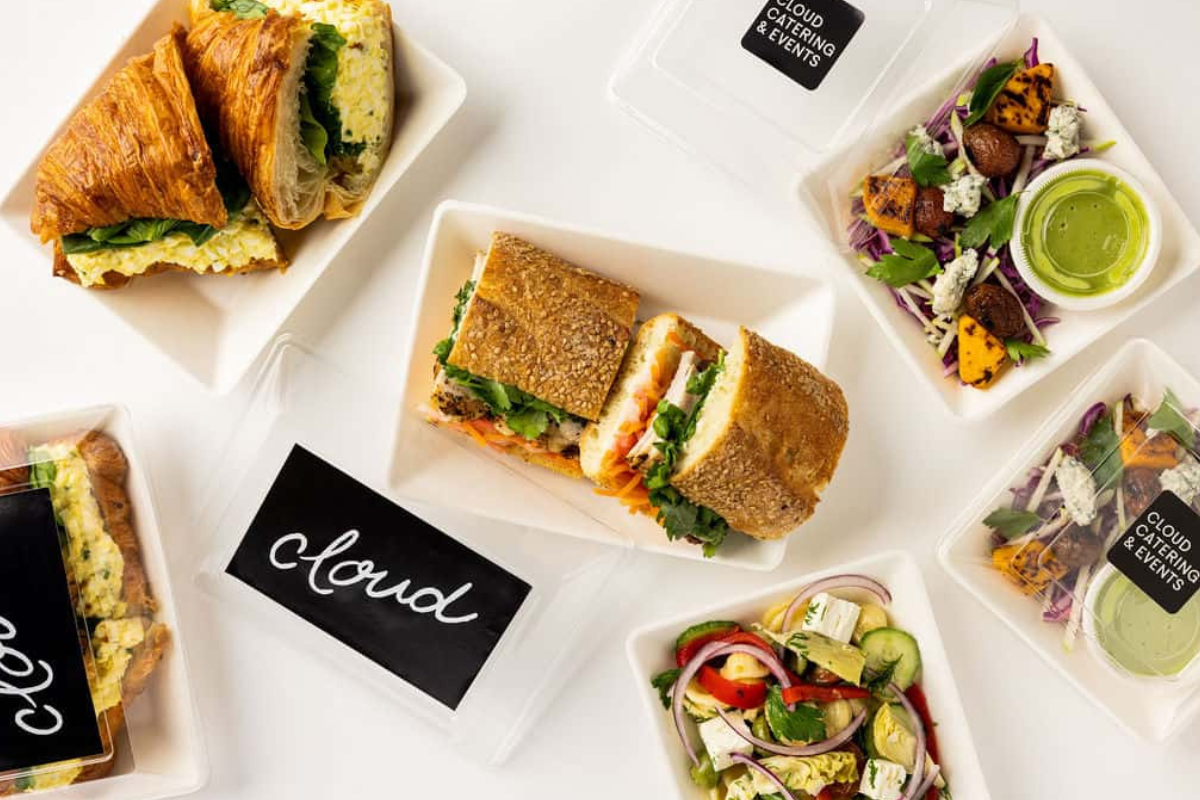
Breakfast might feature fresh fruit, yogurt, pastries, and savory options. Lunch can include composed salads, hearty sandwiches, warm entrees, or small plate stations that let attendees choose what they want. Afternoon breaks work well with lighter bites and plenty of beverages.
Cloud Catering offers a Small Plate Station that combines the casual ease of a reception with the sophistication of a plated dinner. These elegant, abbreviated dishes elevate a standard buffet into a thoughtfully designed guest experience, which suits a conference crowd that values both quality and speed. You can explore the format on the stations page.
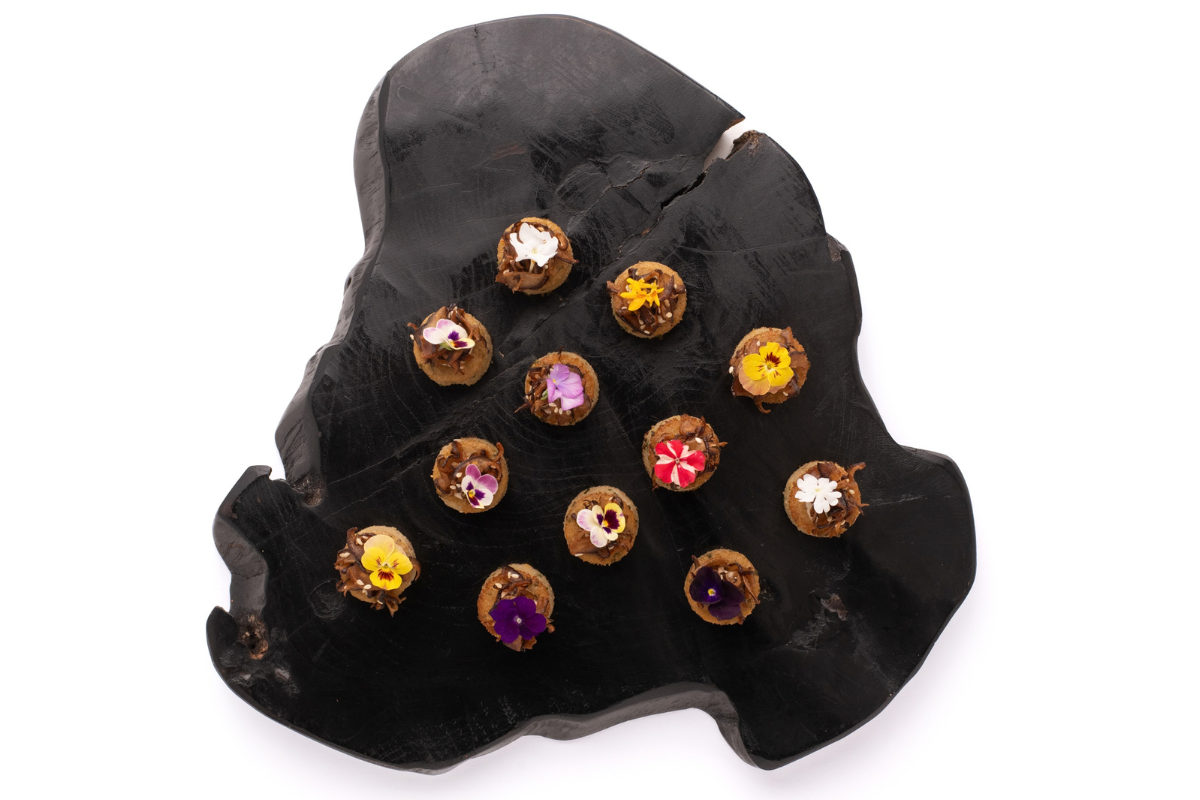
For evening receptions, passed bites bring a polished finish to the day. The hors d’oeuvres menu shows what a refined reception can look like.
How Do You Serve Hundreds of Attendees Without Long Lines?
Lines are the enemy of a short break. If attendees spend half of their time waiting, they either skip the meal or return to sessions late. Both outcomes reflect poorly on the event.
Medical conference catering solves this through layout and staffing. Food is served from multiple points throughout the space, so guests naturally spread out. Each station has its own team, so a rush at one does not slow down the others.
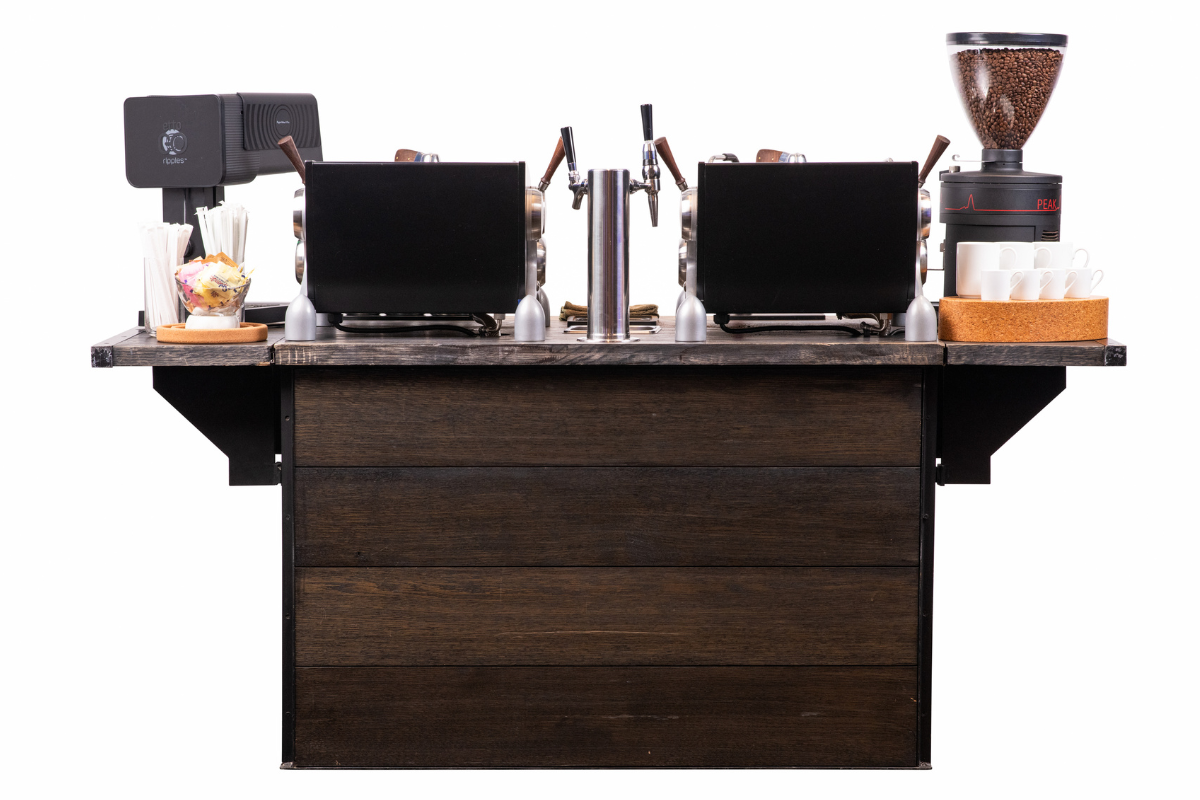
Beverage service deserves the same attention. Coffee and water stations placed near session rooms keep attendees hydrated and energized. Placing them away from the main food area also prevents traffic jams during peak break times.
How Should Medical Conference Catering Handle Dietary Needs?
A large group of physicians and researchers will include many dietary needs. Vegetarian, vegan, gluten-free, kosher, halal, and allergy-conscious attendees all need clear options, and they should not have to search for them.
Ask attendees about dietary needs during registration, and share the results with your caterer well ahead of the event. Dishes should be labeled clearly, with separate preparation and serving tools for guests with allergies. When the labeling is clear and the options are generous, attendees can choose confidently and return to the program.
Many conferences also host sponsors and industry partners, and some events have specific meal guidelines. Confirm any requirements with your compliance or events team early, then share them with your caterer so the menu and service plan fit from the start.
What Do NYC Venues and Buildings Require for Conference Catering?
New York City adds logistics that organizers from out of town sometimes overlook. Convention spaces, hotels, hospitals, and university venues each have their own rules for deliveries, load-in times, insurance, and staff access.
Share the venue name and the contact for the facilities team with your caterer as early as possible. An experienced team will plan around freight elevator schedules, security check-in, and limited kitchen access. That preparation is what allows food to arrive on time and at the right temperature, even in a busy Manhattan building.
Cloud Catering has served New York’s premier hospitality scene since 2011, with a culinary team trained in Michelin-star restaurants and service staff hand-selected for each event. That experience is the foundation of confident medical conference catering at scale. You can learn more on the Our Approach page.
What Should You Ask Before Booking Medical Conference Catering?
A few questions will tell you quickly whether a caterer can handle the demands of medical meeting catering at scale.
Ask how they plan service around a packed agenda and what they do when sessions run long. Ask how many serving points they recommend for your attendee count. Ask how they manage dietary labeling and allergy safety. Ask how they handle venue rules and last-minute headcount changes. Finally, ask who your point of contact will be during the event.
The right partner answers with specifics, and they are comfortable scaling from a single-day meeting to a multi-day program with breakfasts, lunches, breaks, and a closing reception.
Making Medical Conference Catering Seamless for Your Attendees
When medical conference catering is done well, attendees barely notice it. They eat well, stay energized, and return to sessions on time. The program stays on schedule, and the event feels thoughtfully run from start to finish.
If you are planning a conference in New York, start the catering conversation as soon as the dates and venue are confirmed. Share your agenda, headcount, and building details, and choose a team that knows how to deliver at scale. Visit the contact page to get started.
Frequently Asked Questions
How far in advance should we book medical conference catering in NYC?
Book as soon as the dates and venue are confirmed. Early planning gives your caterer time to review the agenda, coordinate with the venue, and shape a menu and service plan that fits your attendees.
What foods work best for short breaks between sessions?
Light, easy-to-eat options work best, such as fresh fruit, pastries, small bites, coffee, and tea. Foods that can be eaten in a few minutes without utensils keep attendees moving and on schedule.
How do caterers prevent long lines at a large conference?
By serving from multiple points around the space, staffing each point with its own team, and placing beverage stations away from the main food area. This spreads guests out and keeps wait times short.
Can medical conference catering handle dietary restrictions and allergies?
Yes. Collect dietary needs at registration, share them with your caterer early, and make sure dishes are labeled clearly. Separate prep and serving tools protect guests with allergies.
Can the same caterer cover a multi-day conference and evening receptions?
Yes. Many conferences use one caterer for breakfasts, lunches, breaks, and receptions across several days, which keeps quality, service, and communication consistent throughout.