
How To Find NYC Venues For Corporate Events With Private Dining and VIP Guest Areas
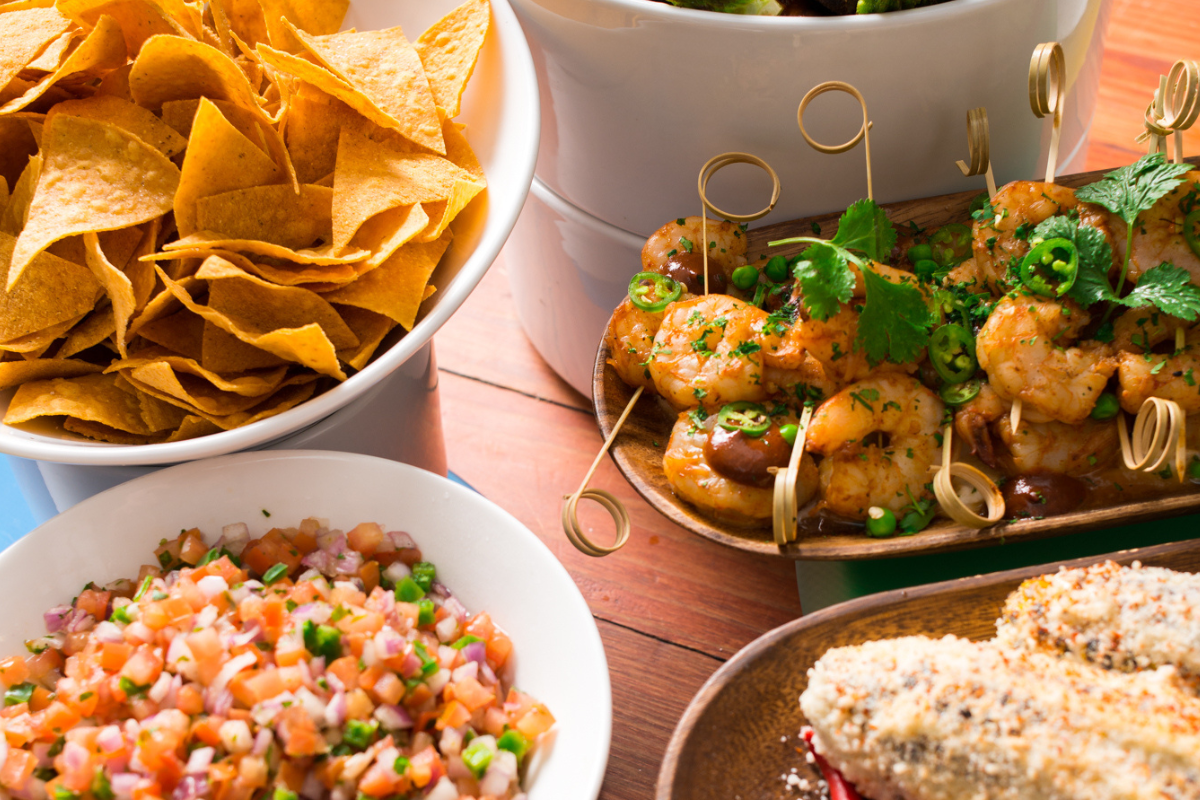
Quick Answer: To find corporate event venues with private dining in NYC, start with your guest count and VIP needs, then evaluate each space for separate dining rooms, private entrances, sightlines to the main program, kitchen access, and service capacity. Involve your caterer early so the layout supports both the main event and your VIP guest areas.
The best corporate event venues with private dining give executives, clients, and honored guests a distinct space without separating them from the main program.
Layout, privacy, kitchen access, and guest flow matter more than a long amenity list when you evaluate NYC corporate event venues.
Planning the catering and the venue together keeps VIP guest areas feeling seamless, polished, and fully supported.
Why Do Corporate Event Venues With Private Dining Matter?
Large corporate events bring together very different guests. A client conference may include board members, senior partners, speakers, and top accounts alongside hundreds of general attendees. These guests often need a quieter place to talk, meet, and dine without leaving the event.
Corporate event venues with private dining solve that problem. A private room or a defined VIP guest area gives leadership space for conversation and relationship building while the main celebration continues. The result is an event that feels generous to everyone, from the executive suite to the newest hire.
New York offers a wide range of corporate event venues with private dining, from converted lofts and gallery buildings to historic ballrooms and rooftop settings. Choosing among them takes a clear understanding of what your event actually needs.
What Should You Define Before Searching for Corporate Event Venues With Private Dining?
A focused search starts with a short list of requirements. Settle these early and the options narrow quickly.
How Many Guests Need Private Dining?
Separate your total headcount from your VIP headcount. A venue may hold six hundred guests comfortably but offer a private room for only forty. Knowing both numbers keeps you from falling in love with a space that cannot deliver on the part that matters most.
What Role Do VIP Guest Areas Play in Your Program?
Think about how your VIPs will use the space. Some events call for a pre-event reception where leadership greets top clients before the main doors open. Others need a place for a speaker or honoree to relax between remarks. Defining the purpose of the VIP guest areas helps you judge whether a venue’s layout truly works.
What Level of Privacy Do You Need?
Privacy can mean many things. It might be a door that closes, a separate entrance, or a room that is acoustically separate from the main event. Be specific about whether conversations will be confidential, and ask venues how they handle sound, access, and sightlines.
What Features Make Corporate Event Venues With Private Dining Work Well?

Once you know your needs, compare venues against the features that shape the guest experience.
Why Does Layout and Flow Matter?
A private room is only useful if guests can reach it easily. Look for a layout where VIPs can move between the main event and their space without crossing crowded areas or service routes. Clear signage, a discreet host, and a short walk make the VIP experience feel effortless.
How Important Is Kitchen Access?
Kitchen access is one of the most overlooked factors. Private dining requires its own service rhythm, with courses timed separately from the main event in many cases. A venue with a workable kitchen, or a clear path for a catering team to stage and serve, makes that possible. Ask where food is prepared, how it reaches the private room, and how plates and glassware are cleared.
What About Sound, Lighting, and Technology?
Executive dining often includes brief remarks, presentations, or video. Confirm that the private space has the lighting, audio, and screen options your program requires. Also ask how the main event’s sound will affect the private room, since a lively reception on one side can easily overpower a quiet conversation on the other.
How Do Different Corporate Event Venues With Private Dining Compare?
Different spaces suit different goals. The table below summarizes how common NYC venue types handle private dining and VIP guest areas.
| Venue Type | Private Dining Strength | What to Confirm |
|---|---|---|
| Historic Ballroom | Adjoining salons or balcony levels for VIP guests | Elevator access, sightlines, and service routes |
| Gallery or Museum Space | Distinct rooms that create a natural VIP dining setting | Rules on food placement, load-in, and event hours |
| Converted Loft | Flexible floor plans that can be divided with design | Whether walls or partitions provide real sound privacy |
| Rooftop Venue | Defined lounge or enclosed section for VIP guests | Weather plan, heating or cooling, and kitchen access |
| Event Studio or Stage Space | Large footprint with room to build a private area | What is included and what must be built or rented |
Which Questions Should You Ask When Touring Corporate Event Venues With Private Dining?
A walkthrough is the best way to judge whether a space works. Bring your planner and, ideally, your caterer. These questions reveal the most:
How many guests can the private dining space hold seated, and how many standing?
Is there a separate entrance or a discreet path for VIP guests?
Where is the catering kitchen, and how does food travel to the private room?
What are the load-in windows, elevator rules, and end-time requirements?
How is the space secured, and can access be limited to approved guests?
Take notes on the answers and compare them across venues. Comparing corporate event venues with private dining side by side makes the right space clear.
How Does Catering Shape Private Dining and VIP Guest Areas?
The food experience should feel just as considered in a private room as it does in the main event. VIP guests often notice details, from the timing of each course to how quietly the plates are cleared.
Cloud Catering’s culinary team has trained in Michelin-starred kitchens around the globe, and its service team is thoroughly trained to deliver polished hospitality across multiple service areas at once. That matters when a private dining room, a VIP lounge, and a main event floor all run on different rhythms. Event managers coordinate each space so the experience feels consistent from the first guest to the last.
Menus for private dining can differ from the main event. A seated, multi-course dinner for executives may sit beside stations and passed hors d’oeuvres for the larger crowd. Planning both together keeps the overall event cohesive and the kitchen workload realistic.
What Is the Best Way to Plan Corporate Event Venues With Private Dining?
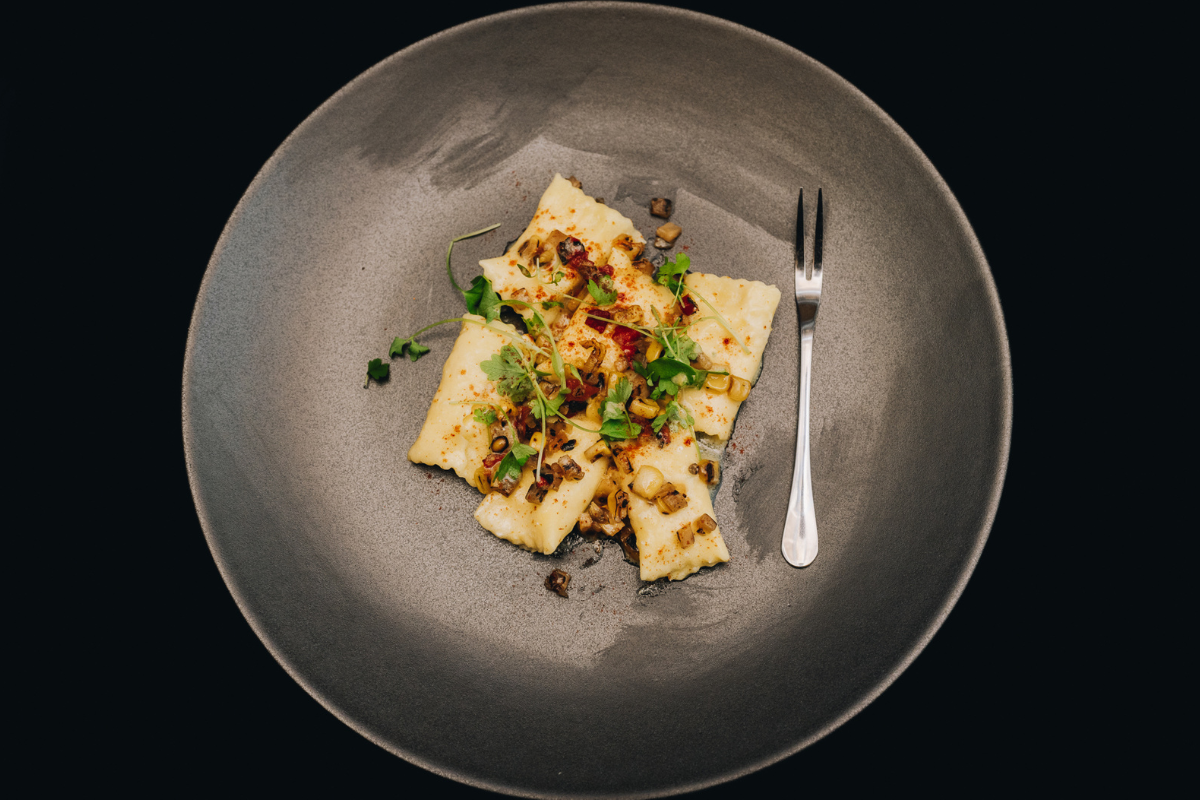
A clear sequence keeps the search organized from the first idea to the signed agreement.
Confirm your total guest count and your VIP headcount.
Define how VIP guest areas will be used throughout the event.
Shortlist NYC corporate event venues with the right layout and privacy.
Tour the finalists with your planner and caterer.
Review contract details, including load-in, kitchen access, and timing.
Starting early gives you more choice, since the best corporate event venues with private dining tend to book well ahead of peak seasons.
Frequently Asked Questions
What should I look for in corporate event venues with private dining?
Look for a private room that fits your VIP headcount, easy access from the main event, workable kitchen access, and the right sound and technology. A layout that lets VIP guests move discreetly between spaces is often the biggest factor in how polished the experience feels.
How far in advance should I book NYC corporate event venues?
Book as early as your plans allow. Strong NYC corporate event venues with private dining fill quickly, especially around the holiday season and major conference weeks. Starting early gives you better dates, more design flexibility, and time to coordinate catering with the venue.
Can VIP guest areas have a different menu from the main event?
Yes. Many corporate events pair a seated, multi-course dinner in the private room with stations or passed hors d’oeuvres in the main space. Planning both menus together with your caterer keeps service coordinated and the kitchen workload manageable.
Why should my caterer see corporate event venues with private dining before I book?
A caterer can quickly spot kitchen limits, load-in challenges, and service routes that affect private dining. Walking the space together helps you choose a venue that supports your menu and service style, which prevents surprises closer to the event.
How do I keep VIP guest areas private at a large event?
Use a combination of a dedicated entrance or host, clear signage, and limited access. Confirm how the venue handles sound and sightlines so conversations stay confidential. Your planner and caterer can help design a flow that feels exclusive without feeling isolated.