
The Visual Side of Catering: What Design Services Bring to Your Event
Quick Answer: Catering design services go beyond food preparation to shape the entire visual and experiential dimension of an event. From the architecture of a food station to the styling of a tablescape, these services determine how catering is perceived, remembered, and talked about long after the evening ends.
Catering design services address the aesthetic and experiential elements of food and service, not just what is on the plate
At high-end events, presentation is as important as taste because guests experience the event as a whole rather than as a series of isolated moments
Working with a catering team that offers genuine design services elevates every aspect of the event from the first impression to the final course
What Catering Design Services Actually Cover
The phrase "catering design" can mean different things depending on who you ask, and it is worth understanding what it truly encompasses before you begin planning a major event.
At its most fundamental level, catering design refers to the intentional styling of every element related to food and service within an event space. This includes the physical layout of stations and tables, the selection of serviceware and linens, the way food is displayed and replenished throughout the event, the visual language that connects the catering experience to the overall event aesthetic, and the flow of service that guides guests naturally through the space.
This is distinct from menu development, though the two are closely linked. A chef may craft an extraordinary dish, but without thoughtful presentation design, the full impact of that dish is diminished. Catering design services ensure that the culinary vision is expressed completely, from the moment a guest enters the room to the moment they leave.
Presentation and Table Architecture
One of the most visible components of catering design is the styling of food displays and dining tables. This includes decisions about elevation, layering, color palette, materials, and the relationship between food items and their surroundings.
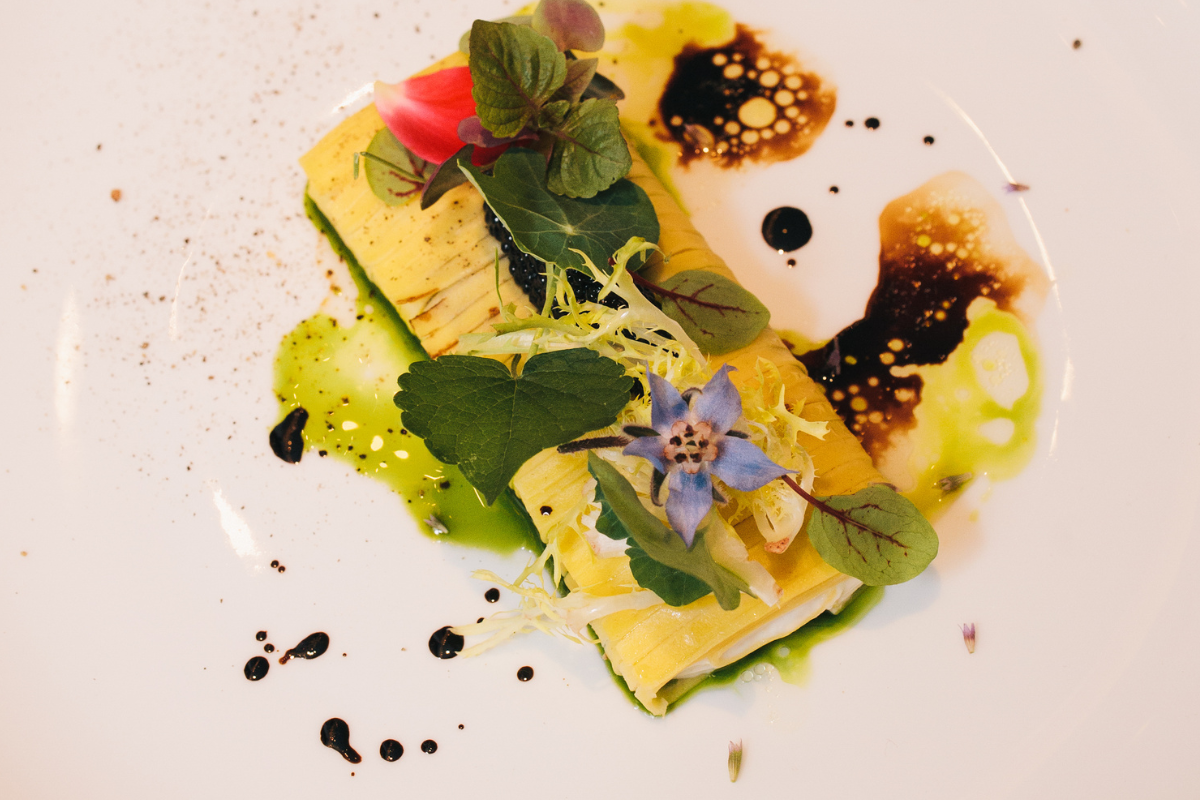
At a luxury corporate dinner, the presentation of a plated course communicates something before the guest takes a single bite. The weight of the plate, the proportion of the pour, the garnish placement- all of these are design choices made deliberately by a team that understands how presentation shapes perception.
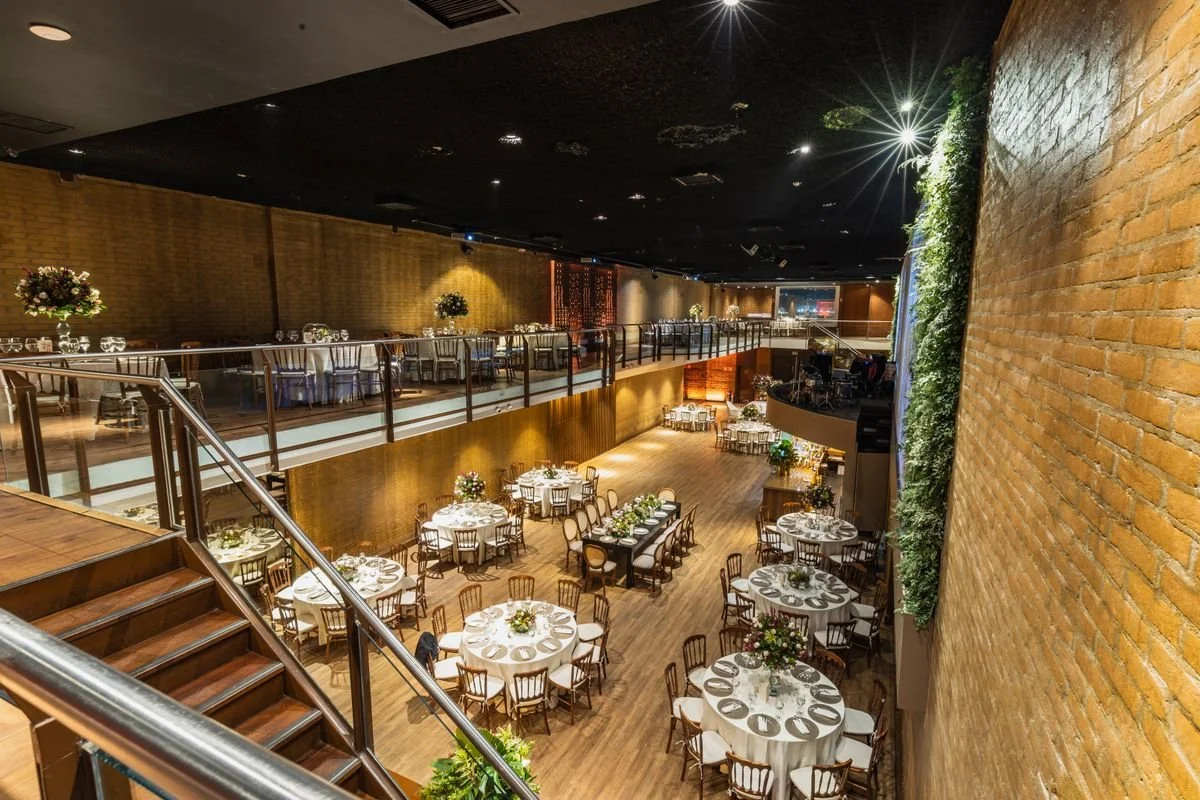
At a standing reception or cocktail event, station design takes on even greater importance. Guests navigate the space visually, and a well-designed catering station draws them in, creates a sense of abundance without feeling cluttered, and makes the act of choosing and eating feel like part of the event experience rather than a pause in it.
Custom Service Elements
Beyond the physical display of food, catering design services often extend to the service elements themselves. This includes the selection or custom creation of serviceware, the styling of napkins and linens, the use of branded or themed vessels for specialty cocktails and passed items, and the coordination of uniform and presentation standards for the service team.
These details may seem granular, but they are the ones guests notice unconsciously. When every element within a catering experience feels cohesive, the event itself feels considered and intentional. When there are visual inconsistencies, even subtle ones, they introduce a low-level friction that diminishes the overall impression.
Station Design and Guest Flow
Catering design also encompasses the spatial logic of how guests move through a room in relation to food and service. Where stations are placed, how they are oriented, and how traffic patterns are managed are all design decisions with direct consequences on the guest experience.
A poorly positioned food station creates bottlenecks and congestion. A well-designed one distributes guests naturally across the event space, keeps energy flowing evenly throughout the room, and ensures that no one spends meaningful time waiting. This kind of spatial thinking is part of what separates experienced catering design teams from those who approach each event as purely a food production challenge.
Why Presentation Is Part of the Experience
There is a tendency in event planning to treat catering design as a secondary concern. The logic usually goes: guests are coming for the food, so get the food right and everything else will follow. But this underestimates how people actually experience events.
Guests do not experience a dinner as a sequence of individual decisions. They experience it as an environment. The lighting, the music, the room layout, and the catering presentation all register together. A dish that is beautifully plated within a thoughtfully designed environment lands very differently than the same dish served in a context that has received no visual attention.
At a luxury wedding or a high-profile corporate event, the catering experience is part of the story that guests tell about the evening. They describe the look of the dessert table as readily as they describe the taste of the main course.
This is why catering design services are not a luxury add-on for high-budget events. They are an essential component of delivering an event that meets the expectations of guests accustomed to exceptional experiences.
How Catering Design Works at High-End Events
At the level of corporate galas, luxury weddings, and large-scale private events, catering design operates as a collaborative discipline. The catering team works alongside event designers, venue coordinators, and sometimes floral teams to ensure that every visual element contributes to a unified experience.
This collaboration begins well before the event itself. Design planning typically involves mood boards, material samples, layout diagrams, and walk-throughs of the venue space. The goal is to identify every point where catering intersects with the visual environment and make deliberate choices at each one.
The result, when done well, is an event where catering feels woven into the design of the evening rather than added on top of it. Guests do not notice the planning behind it. They simply feel that everything belongs together.
How Design Services Differ Across Event Types
Catering design takes different forms depending on the nature of the event. Corporate events and luxury weddings both demand exceptional presentation, but the design language, the service format, and the experiential priorities are often quite different.
| Event Type | Design Priority | Common Service Formats | Key Visual Elements |
|---|---|---|---|
| Corporate Gala | Brand alignment, professional polish | Plated dinner, passed appetizers | Branded elements, clean lines, refined palette |
| Luxury Wedding | Romance, personalization | Family style, buffet stations, plated | Floral integration, custom tablescape, layered textures |
| Corporate Cocktail Reception | Energy, accessibility | Stationed, butler-passed | Display height, visual abundance, branded bar elements |
| Awards Ceremony | Formality, efficiency | Pre-set courses, limited service | Streamlined presentation, classic table settings |
| Product Launch Event | Innovation, brand expression | Interactive stations, chef-driven bites | Statement displays, themed serviceware, visual drama |
Understanding where your event falls on this spectrum helps clarify what to ask for and what to prioritize when working with a design-forward catering team.
What to Look for in a Catering Team That Takes Design Seriously
Not every catering company approaches design with the same depth of attention. When evaluating potential catering partners for an event where visual presentation matters, there are a few clear indicators of a team that takes this dimension of the work seriously.
Look for a team that asks design questions early. A catering partner who wants to know about your venue, your event aesthetic, your color palette, and your brand standards before discussing menu options is one that understands how all of these elements connect.
Ask to see examples of previous event setups, not just food photography. Photos of plated dishes tell you about culinary quality. Full event photos tell you whether the team can execute a cohesive visual experience at scale.
Ask specifically about who handles the design elements. In some organizations, this is a dedicated role. In others, it falls to the event lead or the culinary director. Understanding who is responsible ensures that design gets the focused attention it deserves.
Frequently Asked Questions
What are catering design services and do I need them for my event?
Catering design services cover the visual and experiential elements of how food and service are presented at an event. If your event involves guests who expect a high-end experience, investing in catering design is not optional. It is the difference between food that is served and catering that is experienced.
How does catering design affect the overall budget for an event?
Design services are typically factored into the overall catering scope rather than priced separately. When you work with a full-service catering team, design is part of what they deliver. The value is reflected in the quality of the experience your guests have, which is difficult to separate from the culinary components themselves.
Can catering design be customized to match our brand or event theme?
Yes, and it should be. A strong catering design team will incorporate your brand colors, materials, and visual language into every element of the service presentation. This kind of alignment is especially important for corporate events where brand consistency matters.
What is the difference between catering design and event design?
Event design typically refers to the broader visual environment including decor, lighting, florals, and furniture. Catering design focuses specifically on the food and service presentation within that environment. The best events involve close collaboration between both disciplines so that neither feels like it exists in isolation from the other.
How early should catering design decisions be made in the event planning process?
As early as possible. Design decisions inform everything from station placement to serviceware sourcing to staffing requirements. The more lead time a catering design team has, the more cohesive and considered the final result will be.