
From Luncheons to Galas: A Complete Guide to Nonprofit Catering Events
Quick Answer: Nonprofit catering events in NYC span a wide spectrum, from intimate cultivation luncheons that average twelve to thirty guests, through stewardship cocktail receptions, all the way up to four-hundred-guest benefit galas. Each format demands a different catering philosophy. The smartest approach matches the food and service style to the donor moment: cultivation requires intimacy and conversation, stewardship requires polish and pacing, and galas require a service flow that supports the ask without competing with it. Done well, nonprofit catering events in NYC become an extension of the mission rather than a line item against it.
Why Nonprofit Catering Events in NYC Deserve Their Own Playbook
New York is the philanthropic capital of the country, with more than 1.8 million registered 501(c)(3) organizations nationally and a disproportionate concentration of major donors and foundation activity in the city.
According to the National Philanthropic Trust, Americans gave 592.5 billion dollars to charitable causes in 2024, with 81 percent of donors attending nonprofit fundraising events as part of their giving relationship.
That makes the room itself a fundraising tool, and the catering inside that room is doing more strategic work than most hosts realize. The challenge for organizations producing nonprofit catering events in NYC is that the menu format is much wider than most planners assume.
A cultivation breakfast for prospective major donors and a black-tie spring gala are both nonprofit catering events, but they share almost nothing in terms of menu, service, staffing, or pacing. Treating them as the same category is the most common reason a development calendar produces uneven results.
This guide walks through the major formats, when to use each, and how to match the catering decision to the mission stage of the donor relationship.
The Spectrum of Nonprofit Catering Events
Most New York nonprofits run a calendar that includes some combination of cultivation meals, stewardship gatherings, public benefit events, and headline galas. The table below shows how these formats compare on the variables that most influence the catering brief.
| Event Type | Typical Guest Count | Primary Goal | Catering Style |
|---|---|---|---|
| Cultivation Luncheon | 12 to 30 | Major-gift conversation | Plated, three intimate courses |
| Breakfast Briefing | 20 to 75 | Mission education | Continental + plated entrée option |
| Stewardship Cocktail | 50 to 150 | Donor appreciation | Passed hors d’oeuvres + featured cocktail |
| Benefit Dinner | 120 to 250 | Annual fundraising drive | Plated dinner or station hybrid |
| Annual Gala | 250 to 500+ | Headline fundraising, brand visibility | Cocktails, full plated dinner, dessert station |
The catering decision is downstream of the goal. A cultivation luncheon is built for conversation and depth. A gala is built for spectacle and scale. The same caterer can deliver beautifully at both, but the menus, service ratios, and staffing models look completely different.
Donor Cultivation Luncheons
Cultivation luncheons are the quietest and most strategically important format on the nonprofit calendar. These small, often intimate meals are designed to deepen a relationship with a current major donor or open a conversation with a prospective one. The catering for nonprofit catering events in NYC at this scale should feel less like an event and more like an exceptional meal in someone's home.
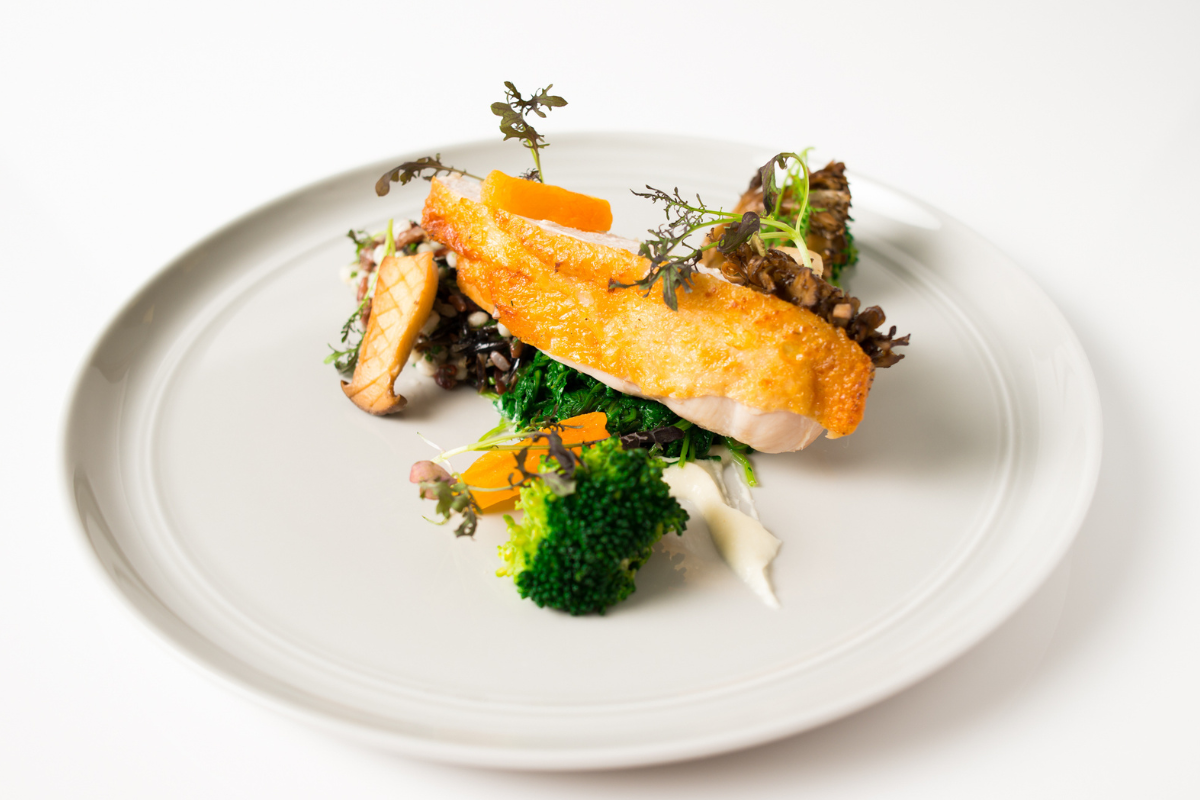
Service should be plated, three courses, with a paced rhythm that allows for real conversation. The menu should be thoughtfully composed but not theatrical. A composed seasonal salad, a confident main course featuring high-quality protein and a vegetable-forward side, and a refined dessert are the right shape. Wine should be selected to match, in modest pours.
Service ratios matter at this scale because they signal care. A 1:8 server-to-guest ratio is appropriate for a cultivation luncheon, with one captain managing the room.
The atmosphere should feel deeply personal, with the development officer and executive director able to focus entirely on the conversation rather than managing logistics. This is where Cloud Catering's hospitality philosophy earns its keep, with thoughtful, considerate service that disappears into the experience.
Breakfast Briefings and Power Mornings
Breakfast briefings have become an increasingly popular format for nonprofit catering events in NYC, particularly for organizations with strong corporate, foundation, or institutional support pipelines. The format is efficient, low-friction for busy donors, and creates a natural mission education moment without the time commitment of an evening event.
The catering should be sharp and energizing rather than indulgent. A continental display with fresh seasonal fruit, high-quality pastries, smoked salmon, and an espresso bar works for a stand-up breakfast briefing.
For a seated version, a single plated entrée such as a chef-style frittata or a poached egg over greens with smoked trout reads as more thoughtful than a heavy breakfast spread. Pacing should accommodate a 20 to 30-minute mission presentation cleanly, with service silent during the program.

Cocktail Receptions and Stewardship Events
Stewardship cocktail receptions are the workhorse format of the nonprofit calendar. They are flexible, scalable from 50 to 200 guests, and deliver the most flexibility for development teams who need to thank donors, introduce new prospects, and create networking touchpoints in a single evening.
The catering brief here is about volume control and quality. Five to seven distinctive passed hors d'oeuvres at a generous pace through cocktail hour, plus one or two stationed elements like a charcuterie display or a chef-attended pasta or carving station, will comfortably satisfy a 90-minute reception.
Quality matters more than variety. A nonprofit stewardship reception with a tightly curated menu of beautifully executed bites consistently produces more positive donor feedback than one with a sprawling array of mediocre items.
Beverage strategy at this scale should be a featured cocktail, a curated short wine list, and bottled or sparkling water service. Avoid full premium open bars at stewardship events. They are expensive, dilute the brand moment, and rarely produce a measurable lift in donor outcomes.
Benefit Dinners and Annual Galas
Benefit dinners and annual galas are the most production-heavy nonprofit catering events in NYC and the format most often discussed in fundraising circles. They are also the format where catering decisions have the largest financial leverage, both on the cost side and on the donor experience side.
The first decision is service format. The table below summarizes the most common gala formats and their typical impact.
| Service Format | Best For | Catering Cost Pressure | Donor Experience |
|---|---|---|---|
| Full Plated Dinner | Traditional galas, table sponsorships | Highest | Formal, can feel slow |
| Plated Hybrid (1 plated + stations) | Modern galas with mobility | High | Strong |
| Small Plate Stations Throughout | Cultivation-heavy programs | Medium-High | Strongest, most networking |
| Heavy Cocktail Reception | Cocktail galas, awards events | Medium | Energetic, lighter program |
Cloud Catering's small plate station experience has become a popular choice for major NYC galas precisely because it captures the elegance of plated service while keeping the room energized and conversational, which directly supports donation outcomes.
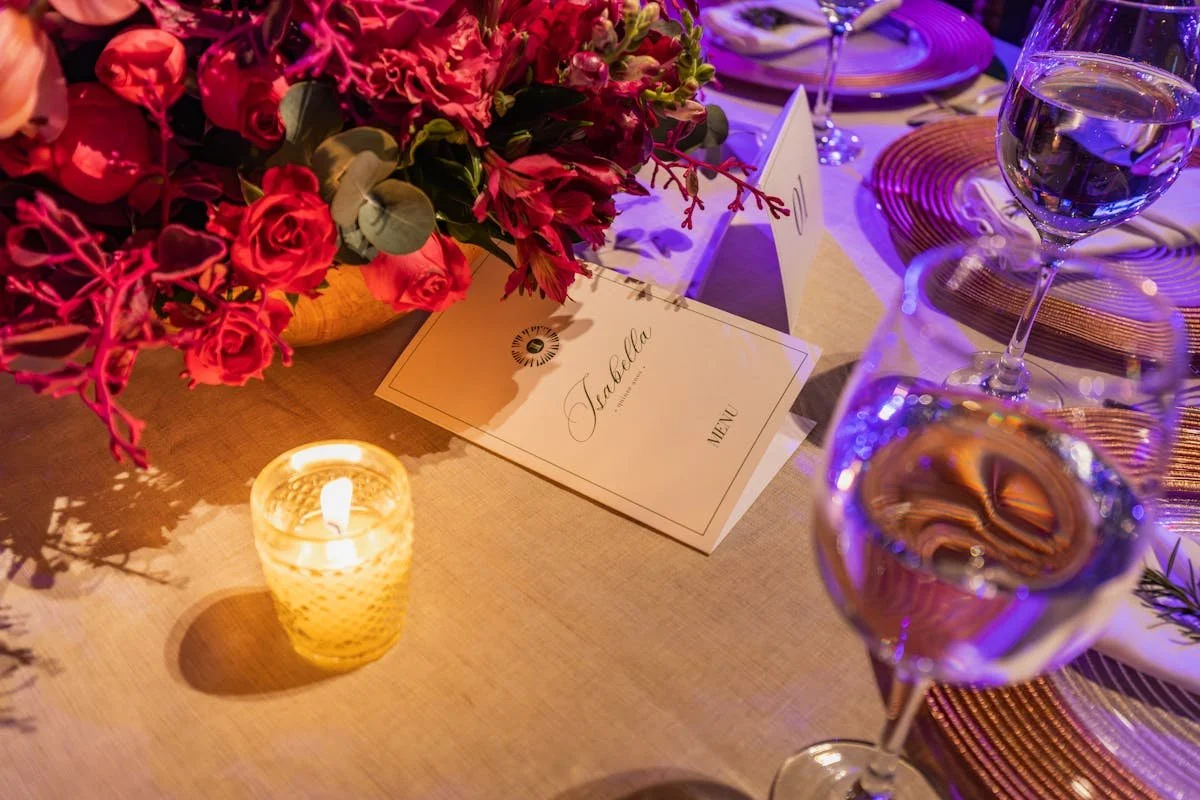
The second decision at the gala scale is the relationship between the catering and the mission moment. The ask, the paddle raise, or the live auction is the single most important moment of the evening, and the catering operation needs to fall silent around it.
That means clearing tables before the program rather than during, holding the next course until the program ends, and choreographing kitchen movement so it does not interrupt sightlines. A caterer who does not understand this reflexively is the wrong partner for a gala.
How to Match the Catering Format to the Mission Stage
The strongest development calendars sequence nonprofit catering events in NYC around where a donor is in the relationship, not just where the calendar is in the year. Cultivation luncheons identify and develop new prospects.
Breakfast briefings convert mission interest into financial commitment. Stewardship cocktails maintain and deepen existing relationships. Benefit dinners and galas bring the entire community together for headline fundraising and brand visibility.
When the catering for each format reflects that stage, the entire calendar performs better. A donor who first encountered the organization at a beautifully run cultivation luncheon arrives at the spring gala already feeling cared for. A first-time gala attendee whose stewardship reception experience that fall was thoughtful is materially more likely to renew or upgrade.
Practical NYC Logistics Across Event Types
NYC nonprofit catering carries a layer of logistical complexity that out-of-town consultants and first-time hosts often underestimate. Building access windows, certificate of insurance requirements, and security clearances vary widely across Manhattan corporate venues, museum spaces, historic ballrooms, and private clubs.
A caterer with deep institutional knowledge of these venues prevents the common opening-hour delays that come from a freight elevator window being missed or a COI being filed incorrectly.
Permitting also matters for events in unusual spaces. Outdoor receptions in private gardens or rooftop venues sometimes require additional permits, and alcohol service in non-licensed venues requires a single-event permit through the New York State Liquor Authority. A caterer who handles this routinely should be the one navigating it on behalf of the development team.
Cloud Catering and Events maintains long-standing partnerships across the major NYC venues used for nonprofit catering events, from Long Island City lofts to historic Manhattan ballrooms, which streamlines logistics and reduces the administrative burden on development staff.
How Cloud Catering Approaches Nonprofit Catering Events in NYC
Cloud Catering and Events has built its New York practice around the belief that an event is a collaborative expression. For nonprofit clients, the team integrates with development staff, board chairs, and program leaders to ensure the food, the service, and the room read as a single continuous expression of the mission.
Cloud's culinary team is trained at Michelin-starred restaurants and brings that level of execution to nonprofit catering events at every scale, from 12-guest cultivation lunches to 400-guest galas.
The service team operates from a hospitality framework grounded in thoughtfulness and consideration, which is exactly the standard a sophisticated NYC donor base expects. You can read more about the Cloud approach and the team's commitment to taking care of people from first contact through follow-up.
For development teams beginning to scope an upcoming cultivation luncheon, stewardship reception, or annual gala, the Cloud team is available to consult on menu structure, service flow, and venue partnerships well in advance of the formal proposal stage.
The most effective nonprofit catering events in NYC are the ones where the catering disappears into the donor experience, and the mission feels closer at the end of the night than it did at the beginning. That is the standard worth planning to.
Frequently Asked Questions
What is the difference between a cultivation luncheon and a stewardship reception?
A cultivation luncheon is a small, intimate plated meal designed to develop a major-gift conversation, typically 12 to 30 guests. A stewardship reception is a larger cocktail-style event, usually 50 to 150 guests, designed to thank existing donors and deepen the relationship rather than to drive a specific ask.
How much should a nonprofit budget per guest for a NYC gala?
For a high-end New York benefit gala, plan on roughly 200 to 400 dollars per guest for food and beverage at premium quality, with full-service staffing typically adding another 20 to 25 percent. Catering is typically the largest single line in a gala budget and should be capped at 35 to 45 percent of total expenses to support a healthy fundraising return.
Are stations or plated meals better for a benefit dinner?
It depends on the program. Plated dinners pair well with traditional table-sponsorship structures and formal awards programs. Small plate station formats often outperform on net donation outcomes because they keep the room mobile and free donors to engage with the program and the ask.
When should we contract our caterer for a major NYC gala?
For Friday and Saturday evening dates between September and May, contract your caterer six to nine months in advance. Premium NYC catering teams book the same calendar windows as luxury weddings and corporate events, and waiting often means working from limited remaining availability.
What is the most overlooked detail in nonprofit event catering?
Service pacing during the mission moment. The ask, the paddle raise, and the program speeches should never compete with plate clearing or kitchen movement. A caterer who builds an intentional pause into the service plan around the program consistently produces stronger donation outcomes.
Sources
National Philanthropic Trust (NPT), Charitable Giving Statistics:https://www.nptrust.org/philanthropic-resources/charitable-giving-statistics/
Double the Donation, Nonprofit Fundraising Statistics:https://doublethedonation.com/nonprofit-fundraising-statistics/
DonorSearch, Events as a Donor Cultivation Tool:https://www.donorsearch.net/donor-cultivation-tool-events/
OneCause, A Complete Guide to Fundraising Galas:https://www.onecause.com/blog/fundraising-gala/
DonorSnap, Nonprofit Event Planning: A Complete Guide:https://donorsnap.com/blog/nonprofit-event-planning-a-complete-guide/