
The Smartest Way to Plan Conference Catering in NYC For Breakfast, Lunch, and Breaks
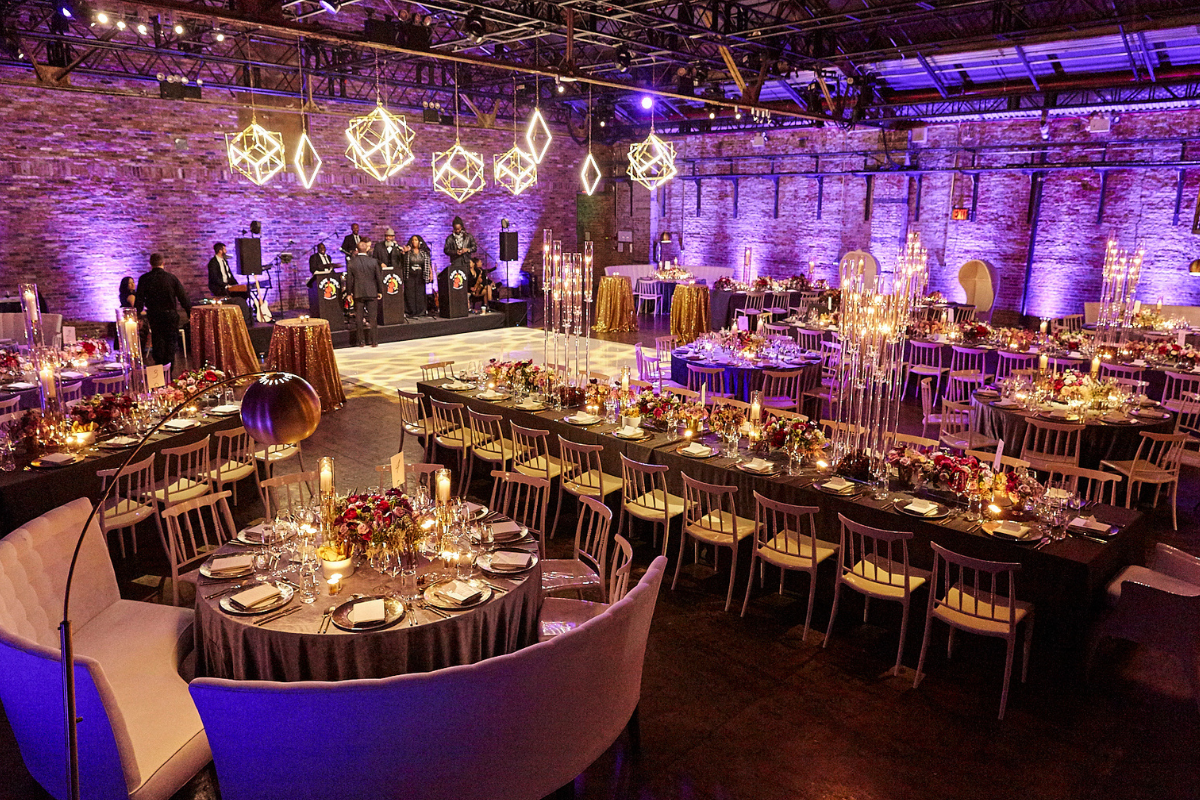
Quick Answer: The smartest approach to conference catering in NYC is to plan the food day around the agenda, not the agenda around the food. That means a light, energy-forward breakfast, a midday meal that does not put the room to sleep, and refreshment breaks engineered to drive networking and re-engagement. Layer in NYC-specific logistics like freight elevator timing, COI requirements, and building security, and the result is a conference day where the catering disappears into the experience, exactly as it should.
Why Conference Catering in NYC Is Its Own Discipline
A conference is not a meal with breakouts attached. It is a tightly choreographed working day, and the food has to support that work. Industry research confirms how high the stakes are. According to data shared by Scratch Catering and corroborated across hospitality studies, 85 percent of event planners cite food and beverage as a key factor in attendee satisfaction.
A peer-reviewed study published in the Journal of Convention and Event Tourism went further, finding that the quality of conference food directly predicts an attendee's intention to return to future events.
Conference catering in NYC carries an additional layer of complexity that most cities never deal with. Manhattan and the outer-borough corporate campuses operate on tight building access windows, certificate of insurance requirements, freight elevator schedules, and security protocols that can derail a poorly planned catering load-in.
A New York summit is often staged in a building that hosts three other events the same week. The catering team that wins this work plans for the building first and the menu second.
Economics also rewards strategic planning. Conference catering in NYC tends to run between $75 and $200 per attendee per day for full-day breakfast, lunch, and break service at a high-quality tier, with the spread driven primarily by service style, menu specificity, and venue logistics.
That is a meaningful line on any conference budget, and it has the largest single impact on attendee experience after the program itself.
Build the Day Backwards From the Agenda
The most common conference catering mistake is treating breakfast, lunch, and breaks as three separate decisions. They are not. They are a single energy curve that needs to match the program. A keynote at 9 a.m. needs a different breakfast strategy than a 10 a.m. start.
A panel-heavy afternoon needs a lighter lunch than a workshop-driven morning. The break that follows a long content block needs more than the break that follows a short networking segment.
The table below maps a typical full-day conference and shows how catering decisions shift based on what the program is asking attendees to do.
| Time Block | Program Demand | Catering Decision |
|---|---|---|
| 7:30 to 8:45 a.m. | Registration, mingling, settle in | Continental with hot accent, espresso bar, no large plates |
| 10:30 to 10:45 a.m. | Re-engagement after first content block | Quick-grab break with fruit, energy bites, fresh coffee refill |
| 12:30 to 1:30 p.m. | Networking, mental reset | Station lunch over plated, lighter proteins, no heavy starches |
| 3:00 to 3:20 p.m. | Second-half engagement, energy dip | Sweet and savory bites, cold brew, sparkling water, fresh juice |
| 5:00 p.m.+ | Optional networking reception | Light passed bites, signature cocktail, transition to evening |
When catering is planned this way, every dish has a purpose. The morning espresso bar is not just a coffee station. It is the moment that turns a room of strangers into a room of attendees. The afternoon break is not just refreshments. It is the engineered intervention that prevents the post-lunch attention drop.
Breakfast Sets the Energy For the Whole Day
Breakfast is the most underestimated meal in conference catering in NYC. Most conferences default to a heavy continental breakfast loaded with pastries, bagels, and sugary parfaits, then wonder why the 10 a.m. session feels sluggish.
The smarter approach treats breakfast as a fueling station, not a feast. Look for protein-forward options like a chef-attended frittata station, smoked salmon with whole grain toast, or Greek yogurt parfaits with seeds and fresh fruit. Pair these with high-quality espresso, fresh-pressed juices, and clean hydration. Pastries can stay, but as a smaller part of the offering rather than the centerpiece.
Crucially, breakfast service for a conference should be designed for movement, not for sitting. Attendees are still meeting each other, finding their seats, and reviewing the agenda. A buffet with multiple flow points and minimal plate-balancing keeps the room mobile and the energy up.
Lunch Is Where Most Conferences Lose the Room
The afternoon attention drop is real, and lunch is usually where it begins. A heavy plated lunch with a starch, a protein, and a dessert at 12:30 p.m. is one of the most common reasons that 2 p.m. sessions struggle.
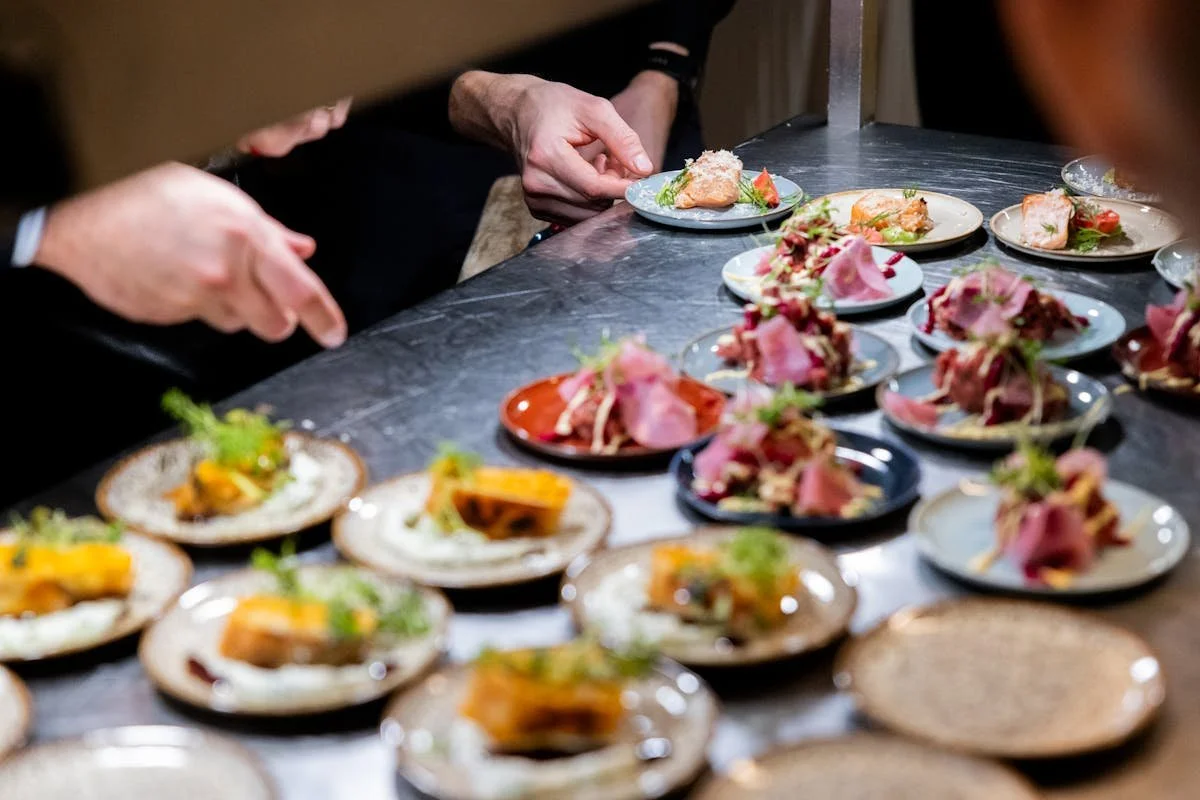
Strong conference catering in NYC takes a different approach. Station lunches and curated bowl-style menus have largely displaced traditional plated service for full-day programs because they support energy, networking, and dietary inclusivity in a single format.
A grain bowl bar with three proteins, four bases, and a half-dozen toppings can serve four hundred attendees more efficiently than a plated entrée and produces noticeably better afternoon engagement.
When the format does call for a seated lunch, the menu should lean lighter. Composed salads with grilled protein, lighter pasta dishes with vegetable-forward sauces, and seasonal vegetables in the center of the plate consistently outperform heavy proteins and starches in the post-lunch energy curve.
Portion size matters as well. NYC corporate audiences are well-traveled and increasingly prefer thoughtful portioning to abundance. You can see how the Cloud Catering culinary team approaches seasonal menu development for corporate programs.
Coffee Breaks and Refreshment Stations Are the Most Underrated Lever
If breakfast sets the energy and lunch tests it, the breaks decide whether the afternoon survives. Coffee breaks in conference catering in NYC are often the single most strategic touchpoint in the day, and they are routinely treated as an afterthought.
The chart below summarizes how break design impacts the afternoon experience based on common formats observed across NYC corporate programs.
| Break Format | Setup Effort | Networking Impact | Afternoon Energy Lift |
|---|---|---|---|
| Coffee Carafes Only | Low | Low | Minimal |
| Coffee + Pre-Packaged Snacks | Low | Low | Marginal |
| Curated Themed Break (e.g. wellness, sweet, savory) | Medium | High | Strong |
| Barista Bar + Live Snack Station | High | Highest | Strongest |
A themed break, even a simple one, transforms the experience. A wellness break with cold-pressed juice, energy bites, and fresh fruit signals to attendees that the host has thought about them. A live espresso bar with a trained barista turns a fifteen-minute break into a brand moment. The marginal cost over a basic coffee setup is small. The marginal impact on attendee satisfaction is large.
NYC Logistics That Make or Break the Day
This is the dimension of conference catering in NYC that out-of-town clients tend to underestimate. Even a perfect menu fails if the load-in fails.
A few realities to plan around. Most Manhattan corporate buildings require a certificate of insurance from the catering provider listing the building owner and management company as additional insured, often with one or two million dollars of liability coverage.
Freight elevator access is typically scheduled in tight windows, and missing the window can push setup back by hours. Loading docks in Midtown have small queues in the morning rush and significant traffic restrictions on Sixth and Seventh Avenue.
Catering teams that work regularly across NYC corporate venues already know these constraints. They know which buildings require photo ID for every staff member, which require pre-cleared vehicles, and which have generous freight access on weekends but very tight windows midweek. That institutional knowledge is what separates a smooth conference day from a stressed one.
Dietary Inclusivity, Sustainability, and Modern Expectations
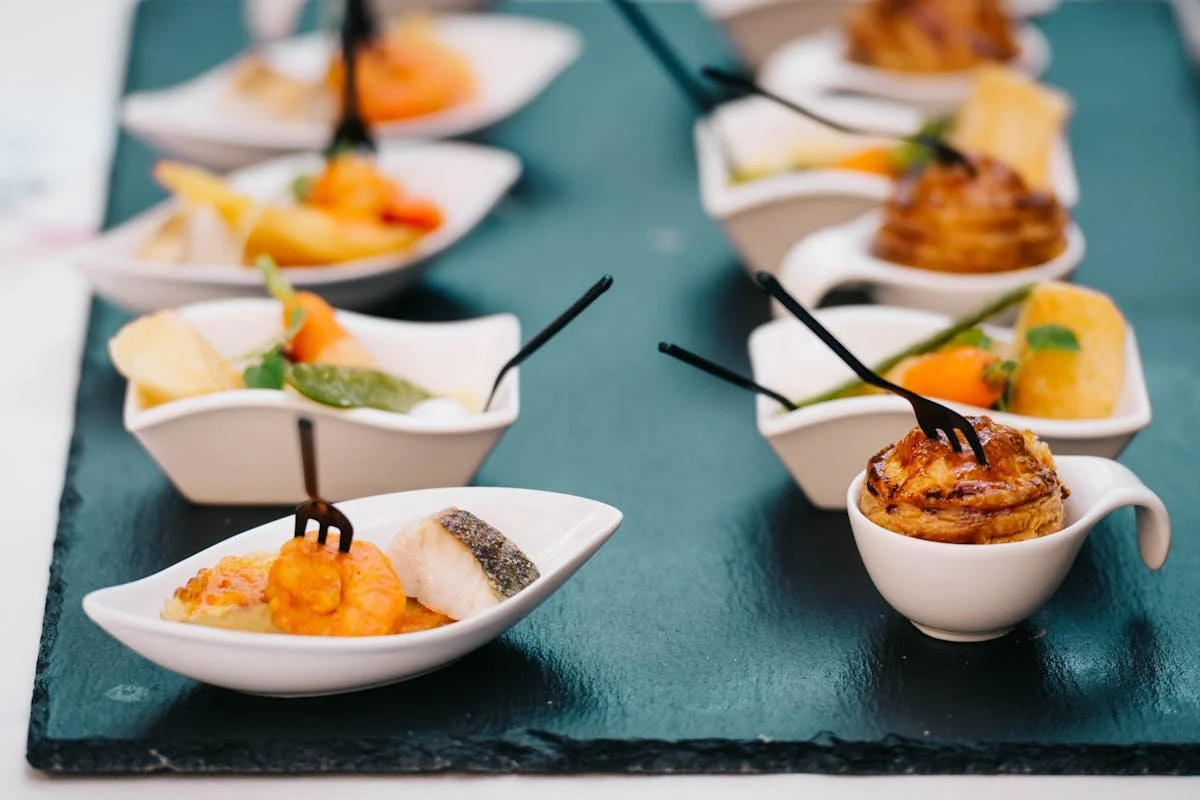
Conference catering in NYC has moved well past treating dietary needs as an afterthought. Major NYC corporate audiences expect vegetarian, vegan, gluten-free, and allergen-aware options to be designed alongside the main menu rather than tacked on as visibly lesser alternatives.
The strongest catering teams build the corporate party venue menu so that the plant-forward dishes are the most beautiful items on the table, not the ones tucked at the end of the buffet.
Sustainability has become a similar baseline. Conference hosts increasingly expect compostable service ware where appropriate, locally sourced ingredients where possible, and donation partnerships for surplus food. These are no longer differentiators. They are the new standard for a high-end NYC corporate program.
How Cloud Catering Approaches Conference Catering in NYC
Cloud Catering and Events brings a fully integrated approach to multi-day conference programs in New York. The team works with corporate clients ranging from financial institutions to global brands and consistently delivers full-day catering across breakfast, lunch, and breaks within the unique constraints of NYC venues.
The Cloud framework starts with the agenda. The kitchen team and the service team review the program, the room flow, the AV cues, and the attendee profile before menu development begins.
The result is a day where the food, the timing, and the room read as one continuous experience rather than three separate meals stacked together. You can read more about the Cloud approach to event design and how the team integrates with venues across the city.
For corporate teams beginning to scope an upcoming summit, leadership offsite, or multi-day conference, the Cloud team is available to consult on menu structure, service flow, and venue logistics in advance of the formal proposal stage.
The smartest conference catering in NYC delivers a day where attendees feel cared for from the first cup of coffee to the last break, the program runs without friction, and the catering is invisible in exactly the right way.
Frequently Asked Questions
How far in advance should I book conference catering in NYC?
For full-day catering at a major NYC venue, contract your caterer at least eight to twelve weeks in advance. For multi-day programs or events requiring a private menu development process, contracting four to six months ahead is standard. Last-minute bookings are possible, but limit menu customization and increase staffing costs.
What is the average cost per attendee for full-day conference catering in NYC?
Plan on roughly $75 to $200 per attendee per day for breakfast, lunch, and breaks at a high-quality tier. The range is driven by service style, dietary complexity, venue logistics, and beverage program. A full-service barista bar, live cooking stations, or sustainability requirements can shift the figure higher.
Are stations or plated meals better for a conference lunch?
For most full-day conferences, station-style lunches outperform plated service. They keep the room mobile, support better networking, accommodate dietary needs more cleanly, and produce a noticeably stronger afternoon energy curve. Plated lunch can still work for smaller executive programs or formal awards lunches.
What dietary accommodations are now standard?
Vegetarian, vegan, gluten-free, and allergen-aware options are the baseline. NYC corporate audiences increasingly expect kosher and halal accommodations to be available on request as well, with parallel courses designed to match the visual quality of the main menu.
What is the most overlooked detail in conference catering planning?
Building access. Certificate of insurance requirements, freight elevator schedules, and security clearance for catering staff are the most common causes of NYC conference setup delays. Confirm these with the venue and the caterer at least three weeks before the event date.
Sources
Scratch Catering and Fine Foods, Catering for Conferences:https://madescratch.com/catering-for-conferences/
Journal of Convention and Event Tourism, A Case Study Examining the Influence of Conference Food Function on Attendee Satisfaction and Return Intention:https://www.tandfonline.com/doi/full/10.1080/15470140903178567
Attendee Interactive (Momentive Software), Conference Catering: Things To Keep in Mind:https://www.attendeeinteractive.com/blog/conference-catering-things-to-keep-in-mind/
BizBash, Industry Reports on Corporate Event Catering Trends:https://www.bizbash.com