
How to Plan NYC Catering for Fundraiser Events That Actually Drive Donations
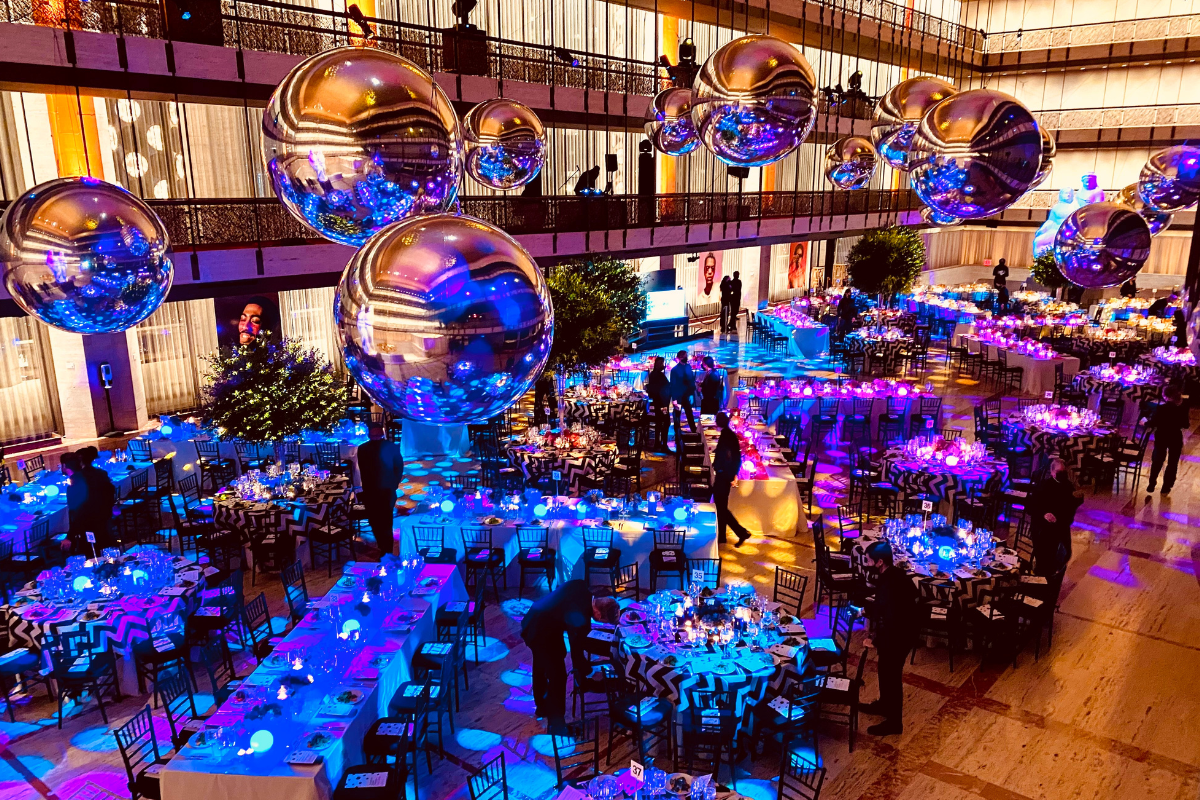
Quick Answer: Strong NYC fundraiser event catering is built backwards from the donation moment, not forward from the menu. To plan catering that actually drives donations, sequence the food around the program's emotional peaks (welcome, mission moment, ask, close), choose a service format that keeps donors mobile and engaged rather than seated and full, design a menu that signals quality without overshadowing the cause, and staff the room so the experience feels intentional from the first canapé to the last pour. Done well, NYC fundraiser event catering becomes part of the case for support rather than a line item against it.
Why Catering Influences Donations More Than Most Hosts Realize
Fundraising data has been consistent for years on a quiet but important point. According to research compiled by Double the Donation and Neon One, roughly 81 percent of donors attend nonprofit fundraising events, and 97 percent of donors cite understanding impact as a major factor in their decision to give.
Galas, dinners, and benefit receptions are not just revenue lines. They are the rooms where future giving relationships are built or quietly lost.
That makes NYC fundraiser event catering one of the most strategic decisions on the planning calendar. Donors arriving at a New York gala are sophisticated, well-traveled, and exposed to the highest standards in hospitality. The food, beverage, and service they encounter is read instantly as a proxy for how the organization manages its resources, treats its supporters, and executes its mission.
A caterer that delivers warmth, clarity, and quality reinforces the support case. One that delivers a buffet that feels rushed or a dinner that runs cold sends a different signal entirely, regardless of how strong the program is.
The economics also matter. CauseVox and GiveSmart benchmarks consistently target a fundraising expense ratio of 35 percent or less, with a healthy gala ideally returning two to four dollars for every one dollar spent. Catering is typically the largest single expense in a fundraising event budget, which means how it is structured and executed has an outsized impact on net revenue.
Build the Catering Brief Around the Donor Journey
Most fundraising events follow a predictable emotional arc. There is an arrival window, a cocktail period, a seated or stationed program, the mission moment, the task, and a celebration close. Each of those phases asks something different about the food and the service team.
The most effective corporate party venue catering plans match the catering decision to the donor moment rather than working through a generic seated dinner template. The table below offers a practical mapping.
| Program Phase | Donor Moment | Catering Decision |
|---|---|---|
| Arrival (15 to 30 min) | First impression, board greeting | Champagne pour, two passed canapés, no plates |
| Cocktail Hour (45 to 60 min) | Networking, donor mingling | Five to seven hors d’oeuvres, signature cocktail, light bites only |
| Seated or Station Service | Settling in for the program | Plated first course or curated stations, pacing tied to AV cues |
| Mission Moment and Ask | Emotional peak, donation prompt | Pause service, clear sightlines, no plate clatter |
| Celebration Close | Reward, energy lift | Dessert action station, espresso bar, late-night bites |
When the catering brief is written this way, every food and beverage decision has a job. The hors d'oeuvres are not just nice. They keep donors mobile during cocktail hour, which is when major-gift conversations happen. The dessert action station is not just dessert. It extends the celebratory close so guests linger and continue the conversations that turn first-time attendees into recurring donors.
Choose a Service Format That Frees Donors to Engage
Seated dinners remain the default for galas, but they are not always the best format for driving donations. A fully seated three-course dinner can easily consume two hours of program time, leaving very little room for the ask, the auction, or the celebratory mingling afterward.
Cocktail-style and small plate station formats are increasingly common for NYC fundraiser event catering precisely because they free donors to move, network, and engage with the program rather than locking them at a table for the entire evening.
A small plate station experience, in particular, has become a popular middle ground. It delivers the polish of a plated course while keeping the room energized and conversational. Donors can sample several distinctive dishes, gather and re-gather in different groupings, and spend more time near the development team and the board than they would in a fixed seating chart.
The format also tends to be more efficient on the back of house, which can meaningfully reduce staffing costs and improve the overall expense ratio.
For programs that require a seated dinner because of tradition, table sponsorship structures, or the ask format, the priority shifts to pacing. The seating timing, the speed of clearing, and the silence of service during the mission moment all become deliberate decisions rather than afterthoughts.

Menu Design Should Mirror the Mission, Not Compete With It
The strongest NYC fundraiser event catering menus tell a quiet story that complements the cause. A culinary nonprofit is well served by a chef-forward tasting menu that demonstrates the cuisine the mission supports.
An environmental organization may lean into seasonal, locally sourced ingredients with clear sourcing notes on the menu card. A youth education foundation can incorporate dishes inspired by the communities the programs serve.
Specifics matter. Generic catering menus signal generic stewardship. A menu that has been thoughtfully designed for the room, the season, and the cause signals the opposite. It tells donors that the organization brings the same level of care to its events that it does to its programs.
Dietary inclusivity is no longer a nice extra. Major NYC galas now routinely plan for vegetarian, vegan, gluten-free, kosher, and halal accommodations as part of the core menu rather than as side modifications.
Cloud Catering and Events approaches this through a culinary team trained at Michelin-starred restaurants, which allows the kitchen to design parallel courses that match the visual presentation and flavor depth of the main menu rather than producing visibly lesser alternatives. You can see more about the Cloud culinary craft on the website.
Beverage Strategy Is a Major Underrated Lever
Beverage is the second largest line in most catering budgets and has the largest impact on perceived event quality after the food itself. It is also where many fundraising events overspend without a clear return.
A tiered beverage approach generally outperforms a single open bar. A featured cocktail, a curated short wine list, and a clean spirits program for a defined window deliver a better donor experience and a more controlled spend than an unlimited premium bar from start to finish. The chart below illustrates how a tiered structure typically compares.
| Beverage Approach | Relative Cost (per guest) | Perceived Quality | Net Donation Impact |
|---|---|---|---|
| Full Premium Open Bar (5 hours) | $$$$ | High but not differentiated | Neutral to negative |
| Featured Cocktail + Wine + Beer | $$ | High, intentional | Strongly positive |
| Curated Tiered Bar with Premium Window | $$$ | Highest, narrative-driven | Strongly positive |
| Cash Bar Only | $ | Low, off-brand for galas | Negative |
Sponsored beverage partnerships are also worth pursuing. A spirits brand, winery, or local distillery underwriting the bar in exchange for visible signage and a brand mention in the program can meaningfully reduce the catering line while elevating the perceived quality of the offering.
Staffing and Service Style Determine the Atmosphere
The single most controllable variable in event catering, after the menu, is the service team. NYC fundraiser event catering is at its strongest when servers are warm, polished, and visibly attentive without being intrusive. A standard ratio for a high-end fundraising gala is one server per ten to twelve guests for plated service and one bartender per seventy-five to one hundred guests for a featured cocktail program.
Beyond ratios, the style of service matters. Anticipatory service, where staff clear glassware before guests have to look for somewhere to set it, or refresh napkins quietly between courses, is the signature of a well-run room. It is also one of the strongest non-verbal cues that the organization values its donors.
A trained Cloud service team is built around exactly this principle, with a hospitality philosophy that prioritizes thoughtful, considerate, thorough delivery throughout the evening.

How Cloud Catering Approaches NYC Fundraiser Event Catering
Cloud Catering and Events has built a long practice with New York fundraising organizations across cause categories, from arts and culture to education and human services. The team's approach to the NYC fundraiser event centers on three commitments.
First, the menu is designed to complement the mission and the room rather than to be the dominant statement of the night. Second, the service flow is mapped to the program so the food never competes with the ask. Third, the team partners closely with development staff to make sure logistics support the donor relationship goals rather than just the meal.
Cloud also brings deep relationships across the major NYC fundraising venues, which streamlines logistics for organizations working in unfamiliar spaces. Whether the event is a small donor cultivation dinner in a private loft or a four-hundred-guest gala in a grand historic ballroom, the framework is the same. Plan the catering around the donor journey, not the other way around.
For organizations beginning to scope their next benefit, the Cloud team is available to consult on menu structure, service format, and venue partnerships in advance of the formal proposal stage.
The most effective NYC fundraiser event catering does not draw attention to itself. It delivers a room where donors feel cared for, the program runs cleanly, and the ask lands without friction. When the catering is doing its job, the development team can do theirs.
Frequently Asked Questions
How much should a nonprofit budget for catering at a NYC fundraiser?
For a high-end New York gala, plan on roughly $200 to $400 per guest for food and beverage at premium quality, with full-service staffing typically adding another 20 to 25 percent. The best strategy is to cap catering at no more than 35 to 45 percent of total expenses, so the event can hit a healthy two to four dollar return per dollar spent.
What service format raises the most money?
Cocktail-style and small plate station formats tend to outperform fully seated dinners on net donation outcomes because they free donors to network, engage with the program, and respond to the ask without being pinned to a table. Seated dinners can still work well when the ask is structured around table sponsorship and the program is paced tightly.
When should we contract our caterer for a major NYC gala?
For Friday and Saturday evening dates between September and December, contract your caterer six to nine months in advance. Premium NYC fundraiser event catering teams book the same calendar windows as luxury weddings and corporate galas, and waiting often means working from limited remaining availability.
Should the menu reflect the mission?
Where possible, yes. A menu thoughtfully tied to the cause signals to donors that the organization brings the same level of care to its events that it does to its programs. Even subtle alignment, such as seasonal sourcing for an environmental organization, makes a meaningful impression.
What is the most overlooked detail in fundraiser catering?
Service pacing during the task. The mission moment and the donation prompt should not have to compete with plate clearing, glass refills, or back-of-house movement. A caterer that builds an intentional pause into the service plan around the ask consistently produces stronger donation outcomes.
Sources
Double the Donation, Nonprofit Fundraising Statistics:https://doublethedonation.com/nonprofit-fundraising-statistics/
Neon One, 28 Fundraising Statistics Every Nonprofit Should Know:https://neonone.com/resources/blog/fundraising-statistics/
CauseVox, How to Calculate Event Fundraising ROI:https://www.causevox.com/blog/fundraising-roi/
GiveSmart, How To Calculate Net Gain for Nonprofit Fundraising Events:https://www.givesmart.com/blog/how-calculate-net-gain-nonprofit-event/
National Philanthropic Trust (NPT), Charitable Giving Statistics:https://www.nptrust.org/philanthropic-resources/charitable-giving-statistics/