
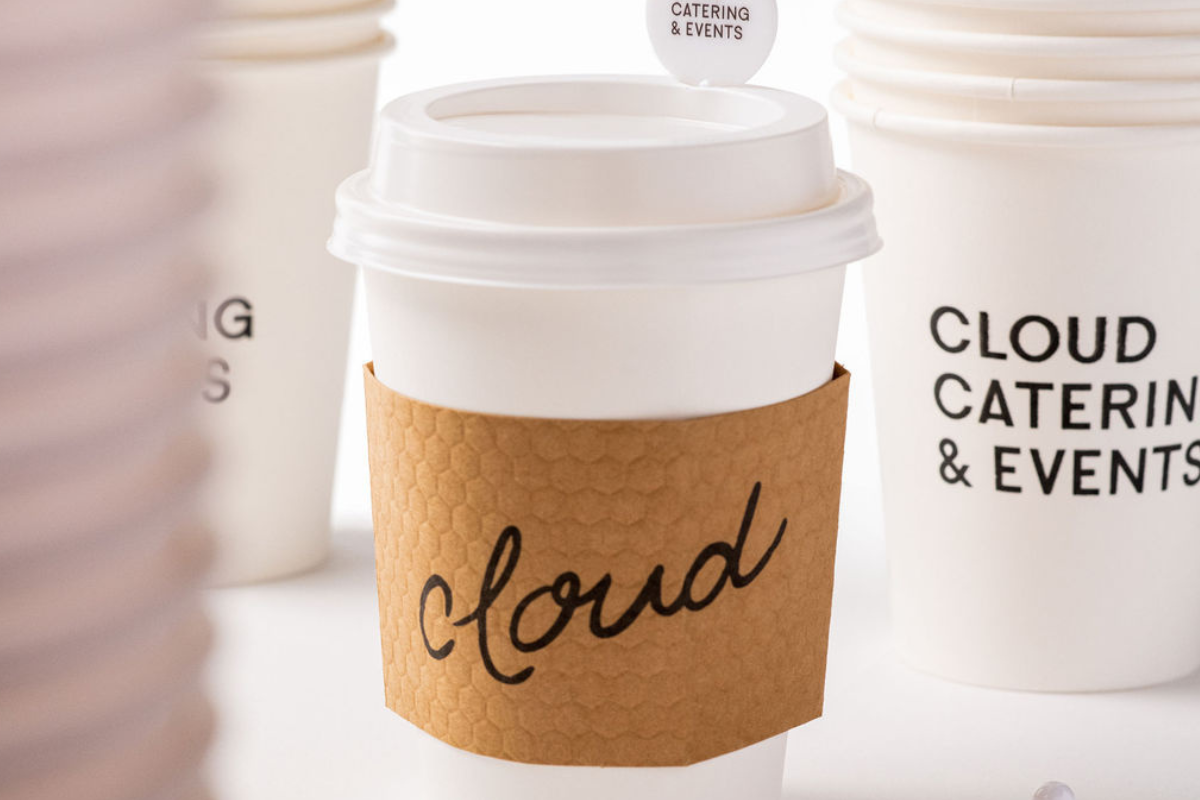
Quick Answer: A barista-led espresso bar provides freshly pulled, made-to-order espresso drinks at conferences and galas in NYC. Unlike self-serve coffee stations, a trained barista handles each drink individually, which improves quality, creates a hospitality touchpoint guests remember, and helps sustain energy levels across a full day of programming or an extended evening event.
A barista-led espresso bar transforms a standard coffee break into a live hospitality moment that guests actually look forward to.
For large-scale NYC conferences and formal galas, quality beverage service is one of the clearest signals that an organization values its guests and their experience.
Strategic placement of espresso bar catering throughout an event program sustains guest energy, drives conversation, and elevates the overall impression of the event.
Why Espresso Bar Catering Has Become a Conference Standard in NYC
The era of the hotel urn is over. What guests encounter at the coffee break reflects the quality of the event as a whole, and organizations planning high-caliber conferences and galas in New York City have recognized that. Espresso bar catering has moved from a premium add-on to an expected element at the kinds of large-scale professional events where impression matters.
A barista-led setup positioned in a prefunction space does more than keep people caffeinated. It creates a natural gathering point between sessions where attendees decompress, reconnect, and return to programming with renewed focus. That dynamic is hard to replicate with any self-serve configuration.
At venues like the IAC Building, Center 415, or the Hudson Mercantile, espresso bar catering fits naturally into the architecture of the event day. It fills transition moments with something that feels intentional rather than incidental, and it gives guests a reason to linger rather than drift toward their phones during the break.
What a Barista-Led Setup Looks Like in Practice
When a conference espresso bar is done well, it is immediately recognizable. The equipment is commercial-grade and positioned deliberately. The barista team is trained, focused, and capable of high-volume service without sacrificing the quality or feel of each interaction.
A guest approaches, places their order, and watches a skilled barista prepare their drink fresh. Lattes, cappuccinos, macchiatos, cortados, straight espresso shots, and Americanos are made to order. Non-dairy milk options are a default inclusion, not an exception that requires a special request.
For events with a branded or thematic direction, house-made syrups and seasonal preparations can be built into the espresso bar catering menu to add another layer of specificity to the experience.
Speed and quality coexist in a well-staffed setup. Two experienced baristas working in parallel can move through a break crowd efficiently without the rushed, transactional feeling that undermines the hospitality moment. For very large events or compressed break windows, additional staff ensures the line never works against the program timeline.
For gala dinners and award ceremonies, the configuration and timing shift. Espresso bar catering at a formal evening event often appears post-dinner, positioned as a complement to dessert rather than a break between sessions. It extends the evening naturally, gives guests a reason to stay in the room, and transitions the atmosphere from dining into the social energy of the event’s final movements.
Energy Management Across a Full Conference or Gala Program
Managing guest energy over a full day of conference programming, or across a multi-hour gala evening, requires deliberate planning. Sessions that run long, lunches that are on the heavier side, and programming that extends well past typical business hours all create natural fatigue points where attention wanders.
Espresso bar catering addresses this directly. Morning registration service gets guests into the event with a positive first experience. A mid-morning break with quality espresso sustains focus heading into the most substantive sessions of the day.
A post-lunch service window, which is typically the most challenging energy window in any full-day program, gives attendees a meaningful reset before afternoon content begins.
For galas and award ceremonies where the program runs three hours or longer, post-dinner espresso service serves a parallel function. Guests who have been seated for an extended period welcome the opportunity to stand at the bar, order a drink, and re-engage with the people around them. The event room stays alive rather than emptying.
This is part of why espresso bar catering has become a standard consideration in multi-day conference catering planning for large NYC events. It is not simply a beverage option; it is a tool for pacing and energy management that supports the program’s goals.
| Event Type | Best Service Window | Recommended Bar Configuration | Key Guest Benefit |
|---|---|---|---|
| Full-Day Conference | Morning arrival, mid-morning break, post-lunch | Full espresso menu with dairy and non-dairy options | Sustained energy and engagement across all sessions |
| Gala Dinner | Post-dinner, alongside or after dessert service | Focused espresso and cappuccino menu | Keeps guests in the room through the final program |
| Award Ceremony | Cocktail hour and post-presentation | Signature drinks tied to event branding | Memorable brand touchpoint at the event's peak |
| Investor Day | Morning arrival and between presentations | Premium single-origin or specialty espresso options | Signals organizational quality and guest consideration |
| Multi-Day Summit | All break windows across both days | Multiple bar positions across venue zones | Consistent energy management across the full program |
How a Barista Espresso Bar Differs From Standard Catering Coffee
The difference between a barista espresso bar and a standard catering coffee station is clear the moment guests experience both. A standard setup offers brewed coffee and decaf held in urns, a tray of sweeteners, and a stack of cups. It is functional. It serves its purpose. Guests do not think about it.
A barista espresso bar is interactive. The barista is visible, skilled, and engaged in a brief but genuine exchange with every guest who approaches. The finished drink is made fresh, to order, and by someone who knows exactly what they are doing. The espresso bar catering experience is one guests carry with them back to their seat, and it shapes how they feel about the event as a whole.
For events where every element is chosen to reflect the organization’s standards, this difference is not a small one. The break is happening either way. The question is whether it leaves guests with something that reinforces the quality of the experience or something that simply fills time.
Planning Espresso Bar Catering for a Large NYC Event
Adding a conference espresso bar to a large NYC event requires the same planning as any other catering element. Logistics include equipment placement relative to guest traffic flow, staffing ratios tied to break length and anticipated volume, and coordination with the venue’s load-in and power access requirements.
Cloud Catering has built espresso bar catering programs for events across New York City for over a decade. The team understands what a high-volume break looks like at a 400-person conference versus what a refined post-dinner espresso moment looks like at a 200-person gala, and the setup is calibrated accordingly.
For events that also incorporate interactive food stations across the floor, an espresso bar anchors the beverage dimension of that multi-point engagement model. It draws guests naturally, creates conversation, and adds a hospitality layer that guests appreciate even if they never consciously identify it as a catering decision.
Frequently Asked Questions
What drinks are typically offered at a conference espresso bar?
A conference espresso bar typically includes espresso, Americanos, lattes, cappuccinos, macchiatos, and cortados. Non-dairy alternatives, including oat, almond, and soy milk, are standard. For branded or themed events, house syrups and seasonal drink preparations can be added to the menu.
How many baristas does a large event espresso bar require?
For a break window serving 200 to 400 guests, two experienced baristas working together can maintain quality and speed simultaneously. Events with larger attendance or tighter break windows benefit from three or more baristas to prevent extended wait times.
Can espresso bar catering be set up at multiple points across a venue?
Yes. For large conferences or multi-track events where guests are spread across different sections of a venue, multiple espresso bar stations can be positioned strategically to serve different zones and keep traffic flowing smoothly.
How early should espresso bar catering be confirmed for an event?
Espresso bar service should be included in the initial catering contract, ideally eight to twelve weeks before the event. This allows the catering team time to plan equipment logistics, finalize staffing, and develop any custom menu elements.
Does a barista espresso bar work for formal black-tie galas?
Absolutely. Espresso bar catering integrates well into formal gala programming and black-tie dinners. The bar can be styled to align with the event’s aesthetic, and the service style naturally reflects the elevated tone of a formal evening.