
How To Build A Dessert Party Catering Menu for Guests With Food Allergies

Quick Answer: To build a dessert party catering menu for guests with food allergies, collect dietary information early, design several desserts free of common allergens, label every item clearly, and ask your caterer how they prevent cross-contact in preparation and service. A mix of safe options and traditional favorites lets every guest enjoy the experience.
A dessert party catering menu for large events works best when allergy planning starts at the first draft, not after the menu is set.
The goal is a dessert experience where guests with food allergies feel just as celebrated as everyone else, with options that look and taste exceptional.
Clear labeling, careful kitchen practices, and a smart mix of dishes keep the room safe, relaxed, and delighted.
Why Does a Dessert Party Catering Menu Need Allergy Planning?
Desserts are among the most allergen-heavy foods on any menu. Milk, eggs, wheat, tree nuts, peanuts, and soy appear in a huge share of classic pastries, cakes, and confections. At a large gathering of hundreds of guests, it is almost certain that several people will have at least one food allergy.
A dessert party catering menu is often a showpiece at luxury weddings, corporate celebrations, and milestone receptions. It draws guests to stations, creates photo moments, and ends the evening on a high note. If guests with allergies cannot participate, the moment feels less generous for them.
Planning turns this into an opportunity. A thoughtfully designed dessert party catering menu shows guests that their needs were considered, and that care often matters as much as the desserts themselves.
What Should You Know Before You Design Your Dessert Party Catering Menu?
Good allergy planning begins with information. A little groundwork makes every later decision easier.
How Do You Collect Allergy Information?
Ask guests about food allergies and dietary needs when they respond to the invitation. For a corporate event, a short form sent to attendees works well. For a wedding, the response card or website can include a simple question. Share the results with your caterer as early as possible.
Which Allergens Matter Most in Desserts?
The most common allergens in desserts are milk, eggs, wheat, tree nuts, peanuts, soy, and sesame. Knowing which ones appear in your guest list helps the culinary team decide where to focus. Some events may need only a few safe options, while others benefit from a full allergy-friendly station.
How Is an Allergy Different From a Preference?
Allergies can cause serious reactions, so they require stricter handling than preferences. A guest who avoids dairy by choice may be comfortable with trace amounts, while a guest with a dairy allergy may not be. Make sure your caterer understands the difference so each request is treated appropriately.
How Do You Design a Dessert Party Catering Menu That Works for Everyone?
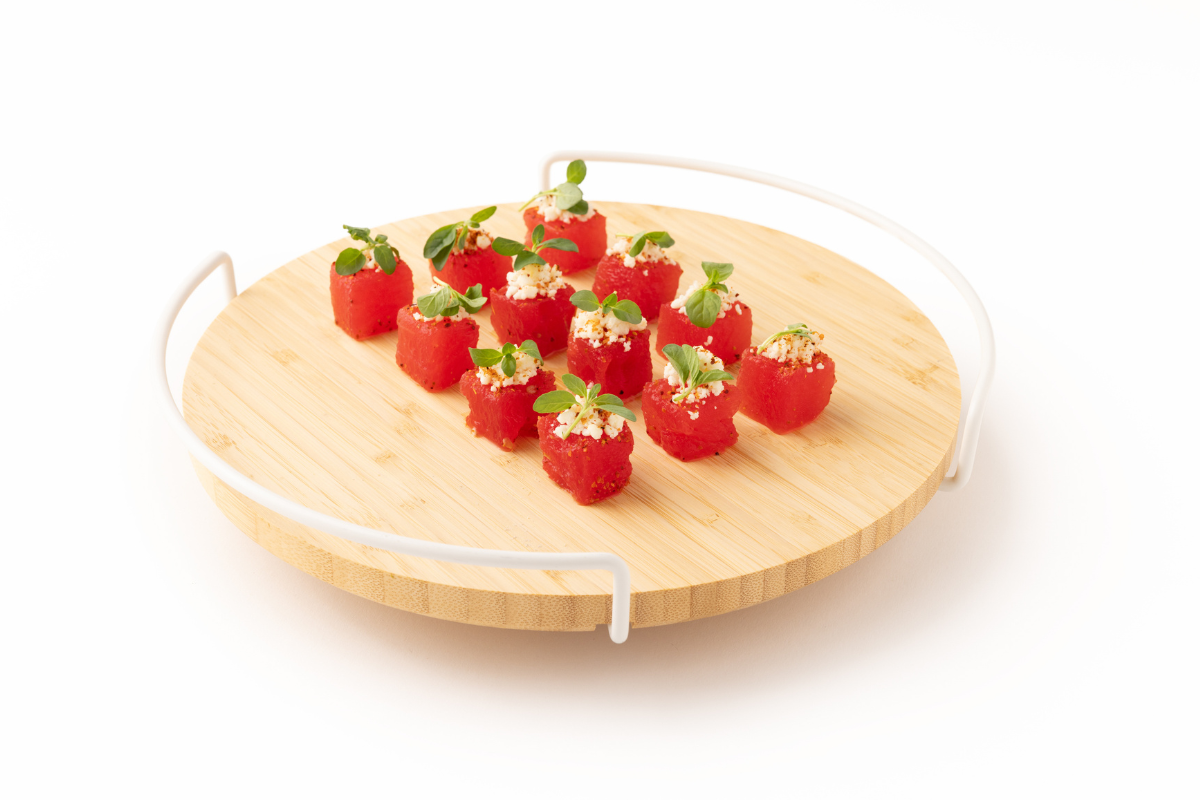
The best approach is to build allergy-friendly desserts into the main design rather than treating them as a separate afterthought.
Why Offer Desserts Free of Common Allergens?
Instead of offering one plain substitute, include several desserts that are naturally free of major allergens. Fruit-forward creations, sorbets, poached or roasted fruit, meringues, and flourless chocolate preparations are examples of styles that can work, depending on the ingredients used. Variety helps guests with allergies feel they have real choices.
How Can You Keep Presentation Equal?
An allergy-friendly dessert should look as refined as anything else on the table. Matching the garnish, plate, and display style keeps the guest from feeling singled out. When the safe options are as beautiful as the signature pastries, everyone shares the same experience.
What Role Do Interactive Stations Play?
Stations can be a smart format for a dessert party catering menu when allergies are a concern. Separate stations make it easier to keep allergen-free items apart from those containing nuts, dairy, or gluten. A dedicated allergy-friendly station, staffed by a team member who can answer questions, gives guests confidence.
Which Allergens Need Special Attention?
The table below outlines common dessert allergens, where they often appear, and menu strategies that help.
| Allergen | Where It Often Appears | Menu Strategy |
|---|---|---|
| Milk | Creams, custards, chocolate, butter-based pastry | Offer fruit-based and dairy-free preparations alongside classics |
| Eggs | Cakes, mousses, meringues, custards | Include egg-free options built on fruit, sorbet, or plant-based techniques |
| Wheat | Cakes, tarts, cookies, pastry shells | Add naturally wheat-free desserts and separate preparation |
| Tree Nuts and Peanuts | Pralines, brittles, pastry fillings, garnishes | Keep nut items on a separate station with clear signage |
| Soy and Sesame | Chocolate, baked goods, garnishes | Confirm ingredient lists with the culinary team and label clearly |
How Do You Prevent Cross-Contact in a Dessert Party Catering Menu?
Cross-contact happens when an allergen transfers from one food to another through shared tools, surfaces, or serving utensils. It is one of the biggest concerns at a large dessert display, where many items sit side by side.
Ask your caterer how they handle preparation and service. Helpful practices include separate utensils for each item, careful cleaning between preparations, and keeping allergen-free desserts physically apart from those containing common allergens. A caterer experienced with large events will walk you through their process and answer questions plainly.
Cloud Catering’s culinary team has trained in Michelin-starred kitchens around the globe and brings that level of care to every menu. Discuss your specific allergy needs with the team early so they can plan preparation and service accordingly.
How Should You Label a Dessert Party Catering Menu?
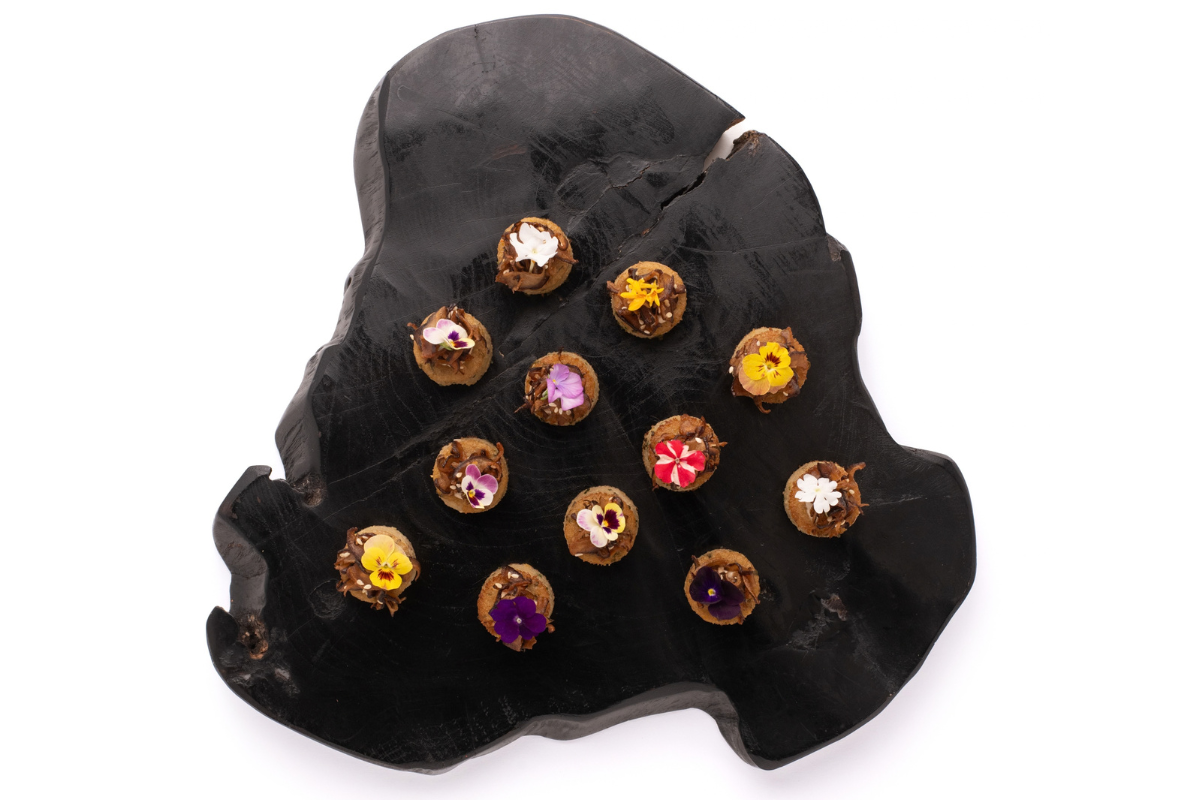
Clear labeling is one of the simplest and most effective safeguards. Each dessert should have a card or sign that names the dish and lists the major allergens it contains. Consistent, easy-to-read labels let guests make their own choices without having to ask.
Staff should also be briefed so they can answer questions confidently. A server who can describe each dessert and its ingredients adds a layer of reassurance. For guests with severe allergies, a direct conversation with a team member is often the most comforting option.
What Steps Lead to a Successful Dessert Party Catering Menu?
A simple sequence keeps the process organized and calm.
Collect allergy and dietary information from guests early.
Share the list with your caterer and discuss which allergens are present.
Design several allergen-free desserts that match the style of the main menu.
Plan stations, labeling, and cross-contact practices with the culinary team.
Brief the service staff so they can answer guest questions.
Starting early leaves room to taste, adjust, and refine so the final dessert party catering menu feels effortless on the day.
Frequently Asked Questions
How do I plan a dessert party catering menu for guests with allergies?
Collect allergy information from guests early, share it with your caterer, and design several desserts that avoid common allergens. Add clear labels, separate stations where needed, and a staff briefing. Early planning gives the culinary team time to create options that look and taste exceptional.
What are the most common dessert allergens?
Milk, eggs, wheat, tree nuts, peanuts, soy, and sesame are common in desserts. Knowing which ones affect your guests helps the culinary team focus its efforts. Always share specific allergies with your caterer so they can plan preparation and service properly.
Can allergy-friendly desserts still feel luxurious?
Absolutely. Fruit-forward creations, sorbets, and thoughtfully prepared chocolate and meringue desserts can look and taste refined. When the presentation matches the rest of the display, guests with allergies enjoy the same elevated experience as everyone else.
How do caterers prevent cross-contact at dessert stations?
Practices often include separate utensils, careful cleaning, physical separation between allergen-free and allergen-containing items, and clear signage. Ask your caterer to describe their process so you understand how they protect guests with allergies throughout preparation and service.
How far in advance should we plan a dessert party catering menu?
Several weeks ahead is a good starting point, and longer for large events. This leaves time to gather allergy information, design menu options, and sample desserts. Early planning also helps your caterer source ingredients and prepare thoroughly.