
How Fall Wedding Catering Brings Seasonal Flavor to NYC Celebrations
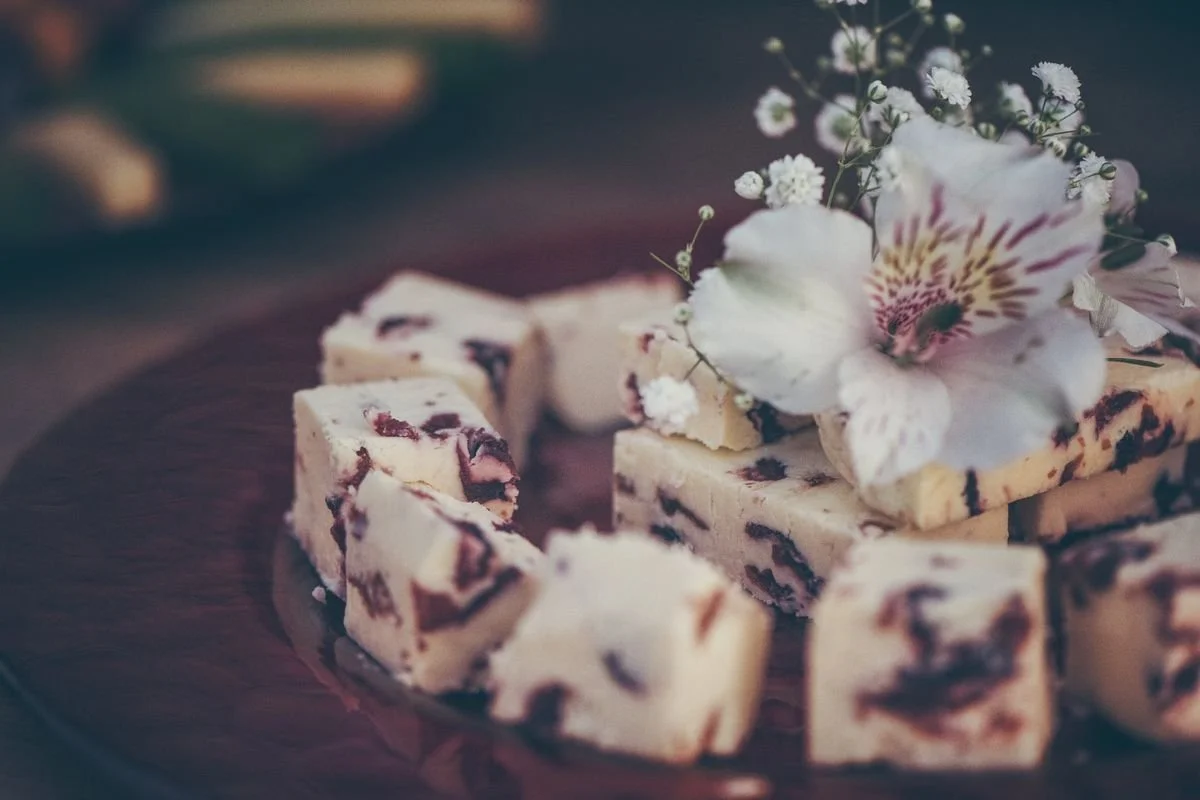
Quick Answer: Fall wedding catering brings seasonal flavor to NYC celebrations through ingredients at their peak, warmer cooking techniques, and a color palette that matches the season itself. Strong fall wedding catering also accounts for shorter daylight and shoulder-season venue conditions, so the menu and the timeline work together rather than against each other.
Autumn is the most competitive wedding season in New York, which makes early fall wedding catering conversations essential rather than optional.
Fall wedding catering has access to ingredients with real depth, from pear and quince to venison and pumpkin, that no other season offers.
Earlier sunsets reshape the reception timeline, so cocktail hour, photography, and service pacing all have to shift with the light.
Why Is Autumn the Most Requested Season for NYC Weddings?
Ask any New York venue when their calendar fills first, and the answer is September through early November. The weather cooperates, the city looks its best, and guests travel more willingly than they do in February or August.
That popularity has a practical consequence. The venues, the dates, and the culinary teams that couples want are booked earliest, which means fall wedding catering conversations need to start well ahead of what feels necessary.
There is a creative upside for fall wedding catering in that competition. Autumn gives a kitchen more to work with than any other season, and couples who plan early get to take full advantage of it rather than accepting whatever remains available.
The season also suits the kind of celebration most couples are picturing. Fall wedding catering can be generous and warm without being heavy, which is a difficult balance in summer and an easier one once the temperature drops.
What Does Fall Actually Put on the Plate?
This is where fall wedding catering earns its reputation. Autumn produce has more concentration and more range than what comes before it, and a fall menu can move from bright to deep across a single evening.
A first course might be a poached pear salad finished with a Sancerre and Banyuls reduction, rosemary pear compote, fall greens, and orange vinaigrette. It reads as autumn immediately while staying light enough to open a long dinner properly.
From there, fall wedding catering in NYC allows real depth. Grilled Spanish octopus with a pochas bean ragout, chorizo, lemon gel, and citrus oil. Tea-smoked chicken with pumpkin bread pudding, seed crumble, and cranberry rooibos fruit. A duo of venison with berber spice, port-glazed figs, eggplant purée, and red rice.
Vegetarian courses gain just as much. A pomme fondant with ratatouille, smoked potato, sautéed greens, and sauce vert holds its own beside anything else on the menu, which matters when a meaningful share of the guest list will be eating it.
Dessert is where fall wedding catering can be openly nostalgic without apology. A candied apple composition with green apple mousse, salted caramel, apple tatin compote, and spiced pie streusel. A Black Forest gâteau Basque with Valrhona chocolate pastry cream, five-spice poached quince, and brandied cherries.
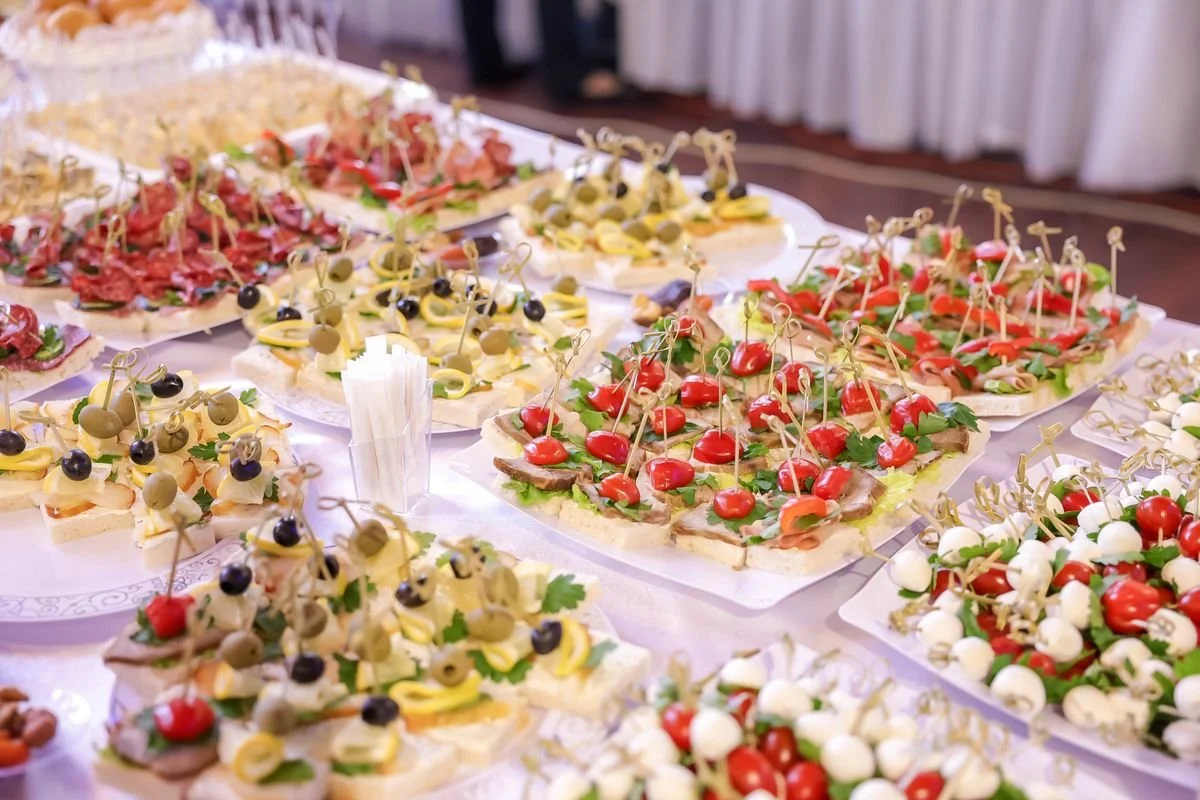
Cocktail hour in fall wedding catering carries the season too. Smoked lamb belly with berbere chili yogurt on chickpea flatbread, crispy lamb rib with a spicy guava glaze, or yakitori pork belly on a steam bun all suit a cooler evening in a way that summer canapés do not.
How Does an Earlier Sunset Change the Reception Timeline?
This is the fall-specific detail most couples discover late. In mid-October, natural light in New York is gone before six. A ceremony that starts at four leaves a much narrower photography window than the same ceremony in June.
That compression pushes back on fall wedding catering directly. Cocktail hour often needs to start earlier or run longer while portraits are finished, and guests standing in fading light need substance sooner than they would in summer.
Fall wedding catering handles this by front-loading. A heavier passed program during the first thirty minutes keeps guests satisfied while the couple is still away, and warm items become genuinely important once the temperature starts to drop with the sun.
The same shift affects dinner. Starting a seated service slightly earlier keeps the evening from feeling like it began in darkness, and it gives the reception more of its energy in the hours guests are most present.
Which Fall Elements Belong at Each Point in the Evening?
Autumn ingredients are not interchangeable across a reception. Placing them well is what makes a menu feel composed rather than simply seasonal.
| Moment | Fall Elements That Fit | Why It Works |
|---|---|---|
| Cocktail Hour | Warm passed bites such as smoked lamb belly or yakitori pork belly steam buns | Comfort matters more as light fades and outdoor temperatures drop |
| First Course | Poached pear with fall greens and orange vinaigrette | Signals the season while keeping the opening course bright |
| Entrée | Venison with port glazed figs, or tea smoked chicken with pumpkin bread pudding | Depth and warmth land best once guests are seated and settled |
| Vegetarian Course | Pomme fondant with ratatouille, sautéed greens, and sauce vert | Holds equal weight at the table rather than reading as a substitution |
| Dessert | Candied apple with salted caramel, or gâteau Basque with poached quince | Closes on familiar autumn flavor executed at a refined level |
Read across the table, and the logic becomes clear. The evening should build in depth rather than opening at full weight, which is the single most useful principle in autumn wedding catering NYC couples can apply to their own menu decisions.
How Do You Keep a Fall Menu From Feeling Heavy?
The most common mistake in fall wedding catering is treating the season as permission to serve rich food from the first bite to the last. Guests sit for three hours. A menu with no relief in it stops being pleasurable somewhere in the second course.
In fall wedding catering, acid is the answer more often than not. Citrus vinaigrette against poached pear, lemon gel with octopus, brandied cherries cutting chocolate. Each of these keeps a fall dish from settling too heavily on the palate.
Texture does similar work. A seed crumble, a crisp element, a fresh herb finish. These are small decisions that determine whether guests finish a plate or leave half of it.
Portion architecture matters in fall wedding catering too. A rich entrée reads better after a genuinely light first course, and a dessert with real acidity closes an evening better than one built purely on sugar and fat.
The goal is a menu that feels like autumn without feeling like a holiday meal, and that distinction is where experienced fall wedding catering teams separate themselves.
What Should You Know About Fall Venue Conditions in New York?
Autumn is shoulder season, which means outdoor and partially outdoor spaces behave unpredictably. A rooftop that is perfect on September 20 can be uncomfortable on November 2, and the difference is rarely visible when the venue is toured in July.
Heating plans, wind exposure, and covered service areas all need confirming before a menu is finalized. Chilled first courses lose their appeal quickly in cool air, and passed items need shorter travel distances when the temperature drops.
Kitchen access deserves the same attention. Many New York venues suited to fall weddings are loft and gallery spaces without permanent kitchens, so the catering team is building a full production environment on site. That is routine for an experienced team and worth confirming early regardless.
Rain contingency is the other shoulder season factor. A fall wedding catering plan should include how service adapts if an outdoor cocktail hour moves indoors on short notice, including whether the indoor space can hold the same station layout.
When Should Fall Wedding Catering Be Booked?
Because the season is the most contested on the calendar, the timeline runs earlier than couples expect.
Twelve to eighteen months out, secure the venue, since desirable New York spaces book fall dates first and fastest.
Ten to twelve months out, engage the catering team, particularly for venues requiring an outside caterer with specific approval.
Six to eight months out, begin menu development so seasonal sourcing has room to be intentional rather than reactive.
Four months out, hold the tasting, ideally close enough to the season that the ingredients are honest representations of what will be served.
Two months out, finalize the service plan, staffing, timeline, and weather contingencies for any outdoor portion.
Starting here protects the parts of fall wedding catering that make it worth choosing the season in the first place.
Frequently Asked Questions
What ingredients define a fall wedding menu in New York?
Pear, quince, apple, pumpkin, figs, cranberry, and autumn greens on the produce side, with venison, lamb, and slow-cooked poultry among the proteins. Warmer spices and reduction-based sauces also shift into the menu as the season progresses.
Does fall wedding catering cost more than other seasons?
Season alone is not the main driver. Guest count, service style, staffing, and venue requirements matter far more. That said, autumn dates are in higher demand across the entire vendor calendar, so booking late tends to cost more in availability than in menu.
How do you handle an outdoor fall cocktail hour in NYC?
By planning for cold before it arrives. Warm passed items, shorter service distances, a confirmed heating plan, and an indoor alternative that can hold the same layout without reducing the guest experience.
Should the wedding menu match the season or the couple's preferences?
Both, with the season as the framework. A fall wedding catering menu built around ingredients at their peak will simply taste better, and there is room inside that framework for dishes that mean something to the couple personally.
How early should tastings happen for an autumn wedding?
Roughly four months out is ideal. Close enough to the season that ingredients are representative, far enough ahead that there is still time to adjust courses before final counts are due.