
How Trade Show Catering Keeps NYC Exhibitors and Guests Fueled All Day
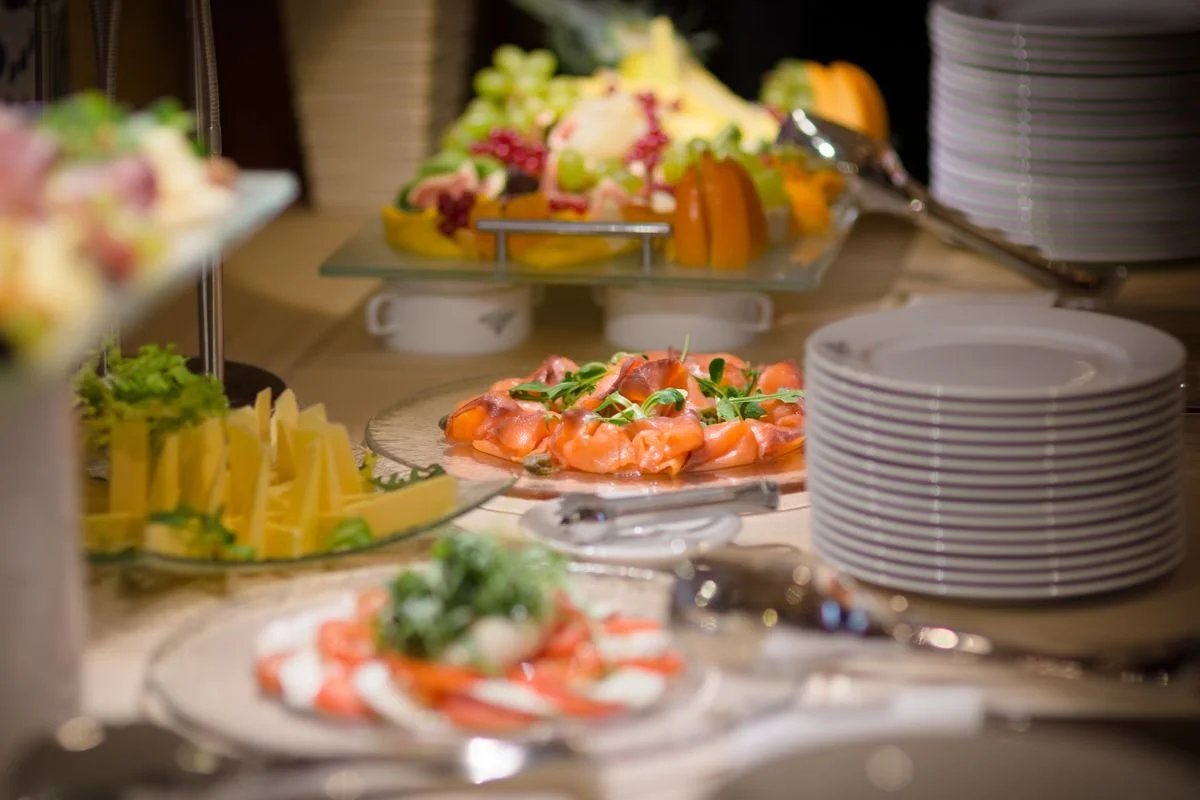
Quick Answer: Trade show catering keeps exhibitors and guests fueled by replacing fixed mealtimes with rolling service that follows floor hours. Strong trade show catering in NYC delivers handheld, high-quality food to booths and sponsor areas on a staggered schedule, so teams stay at their stations, and attendees stay engaged from the opening hour through the closing reception.
Trade show catering runs on continuous service windows rather than one seated lunch, because an exhibit floor never fully pauses.
Exhibitors need food that reaches the booth and can be eaten standing, while attendees need quality options that keep them moving through the hall.
New York convention spaces add load-in windows, insurance requirements, and freight scheduling that shape every catering decision.
What Makes Trade Show Catering Different From Standard Corporate Catering?
Most corporate catering is built around a room that fills, eats, and empties. A trade show floor has no such rhythm. The hall opens, traffic swells, and thins in waves, and the people who most need feeding are the ones least able to step away from their space.
That single difference changes how trade show catering is planned from the first conversation. Menus are designed for one hand and no table. Service teams move toward guests rather than waiting for guests to come to them. The timeline is measured in service windows across eight or ten hours instead of a single seating.
For large-scale exhibitors in New York, the stakes are real. A booth team that goes four hours without a proper break loses energy at exactly the moment serious buyers start walking the aisles. Thoughtful trade show catering treats that energy as a business asset rather than a courtesy.
How Do You Build a Service Schedule Around Floor Hours?
The schedule is where trade show catering either supports the show or fights it. Rather than one lunch, the day is broken into overlapping windows that match how the floor actually behaves.
Pre-open fuel, delivered before doors and before staff is in position, so teams start the day ready rather than scrambling.
Mid-morning refresh, timed to the first real traffic surge, with coffee service replenished quietly and continuously.
Staggered lunch rotations, sent to booths in shifts so no exhibitor space ever goes unstaffed.
Late-afternoon lift, positioned for the hours when attention naturally dips and closing conversations begin.
Closing reception service, which transitions the floor from selling to networking without anyone leaving the hall.
Each window has its own menu logic. Morning service leans protein-forward and clean. Midday service needs substance. Late-day service is about lift and hospitality, not heaviness. Building the day this way is what separates professional trade show catering from a delivery order that arrives cold at noon.
What Should Exhibitor Catering Look Like at the Booth?
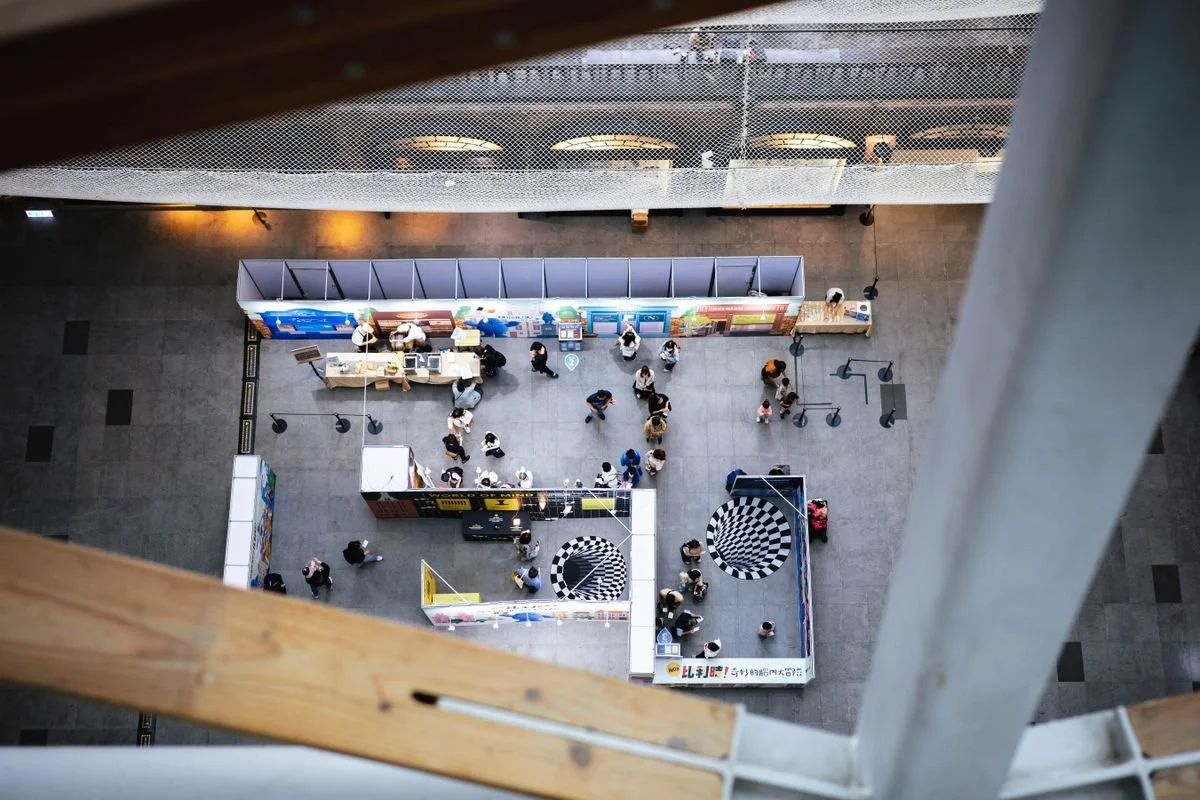
Booth-side service is the heart of NYC exhibitor catering. It has three requirements that never change: it must travel well, it must be eaten standing, and it must look composed enough to sit inside a branded environment without cheapening it.
That rules out anything requiring a knife, anything that wilts under floor lighting, and anything with an aroma strong enough to overtake a booth. What works instead is precise and portable. Composed grain bowls that hold for an hour. Handheld savories built in two bites. Chilled proteins with bright accompaniments that stay crisp.
Presentation matters just as much in booth-level trade show catering. When trade show catering arrives in packaging that matches the quality of the exhibit itself, it reads as part of the brand experience. When it arrives in a disposable clamshell, it reads as an afterthought, and clients notice.
Beverage service deserves the same attention. Continuous coffee, espresso, and infused water at the booth keep teams sharp and give visitors a reason to linger a few seconds longer, which is often all a good conversation needs.
Which Food Formats Hold Up Best on an Exhibit Floor?
Not every menu survives a convention hall. Temperature, timing, and traffic all work against traditional service. The formats below are the ones that consistently perform in high-volume trade show catering across New York venues.
| Food Format | Why It Works on the Floor | Best Service Window |
|---|---|---|
| Handheld Savories | Finished in one or two bites with no utensils, so hands stay free for badge scans and demos | Mid-morning and late afternoon surges |
| Composed Grain Bowls | Substantial enough to carry a working exhibitor through a full shift and stable in transit to the booth | Staggered lunch rotations |
| Small Plate Stations | Chef-attended and visually active, drawing qualified traffic toward a sponsor or exhibitor space | Midday floor peak |
| Refresh Stations | Coffee, espresso, and infused water replenished quietly without interrupting conversations | All floor hours |
| Reception Bites | Elevated passed items that shift the room from selling to networking at a slower pace | Closing hour and evening reception |
The pattern across strong trade show catering is consistent. Anything that can be held, refreshed, or replenished without interrupting a conversation belongs on a show floor. Anything that requires a seated guest belongs at the evening event instead.
How Does Catering Turn a Booth Into a Destination?
Food is one of the few things on an exhibit floor that stops people naturally. A well-run station creates a reason to pause, and a pause creates a conversation. This is where trade show catering shifts from operations to strategy.
Chef-attended stations work especially well because they add motion and aroma to a space that is otherwise static. Watching something finished to order draws attention from three aisles away, and it gives booth staff a natural opening that does not feel like a pitch.
The quality signal matters too. Exhibitors invest heavily in structure, screens, and staffing, and the catering either reinforces that investment or undercuts it. Elevated convention center catering in NYC tells visitors, without a word, that this company pays attention to detail everywhere.
The goal is never volume for its own sake. It is qualified traffic that stays long enough to talk, which is why menu design and booth flow should be planned together rather than separately.
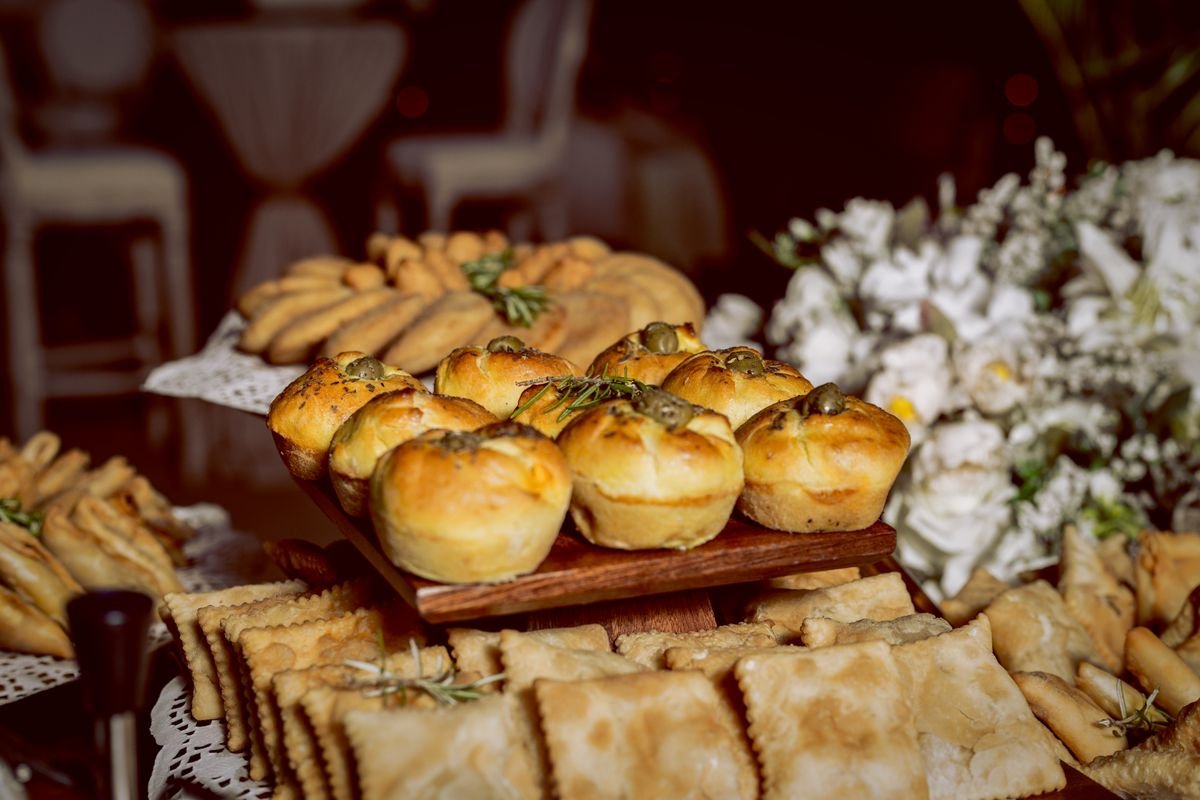
How NYC Logistics Shape Trade Show Catering?
New York adds a layer of complexity that experienced teams plan for months in advance. Convention halls and large event spaces operate on strict load-in windows, and a caterer who misses a freight elevator slot may not get another one that day.
Certificates of insurance, union labor rules, badge credentialing for service staff, and designated back-of-house areas all have to be confirmed well before the show. Many halls limit open flame or restrict where prep can happen, which affects menu decisions directly.
Storage is the other constraint. Floor space is expensive and tightly allocated, so trade show catering has to be built around minimal footprint, with refrigeration and staging handled offsite or in a shared service corridor. Multi-day shows compound all of this, since every morning requires a fresh delivery under the same access rules.
None of this is visible to guests when it is done well, and all of it is obvious when it is not.
How Do Sponsor Lounges and Private Meetings Fit In?
Beyond the open floor, most large shows include controlled spaces where the real business happens. Sponsor lounges, VIP suites, and private meeting rooms need a different level of trade show catering entirely.
These rooms allow for seated service, longer menus, and a slower pace. They are also where a company brings its most important prospects, so the food should feel deliberate rather than functional. Small plate service, seasonal composition, and attentive staffing all belong here.
Coordinating both environments at once is the mark of a capable trade show catering partner. The same kitchen has to run high-volume floor service and refined lounge hospitality on parallel timelines, with staff who understand which environment they are working in.
Frequently Asked Questions
How far in advance should trade show catering be booked in NYC?
For major New York convention shows, eight to twelve weeks is a reasonable planning window, and longer for peak season or multi-day programs. Venue access details, insurance paperwork, and staff credentialing all take time to confirm.
Can catering be delivered directly to individual exhibitor booths?
Yes. Booth-side delivery on a staggered rotation is one of the most common requests in NYC exhibitor catering, and it is designed specifically so exhibit spaces stay staffed throughout floor hours.
How are dietary needs handled on a show floor?
Vegetarian, vegan, and gluten-free options are built into every trade show catering menu rather than added on request. Clear labeling matters even more on a floor, since guests are making quick decisions while walking.
Does trade show catering work for multi-day events?
It does, and multi-day programs benefit most from a structured approach. Menus rotate day to day to avoid repetition, and each morning follows the same confirmed load-in and delivery process.
What is the difference between show floor service and evening reception service?
Floor service prioritizes mobility, speed, and one-handed formats. Evening reception service allows for passed hors d'oeuvres, stations, and a more social pace once the selling day has ended.