
What Makes Milestone Event Catering Feel Worthy of a Company Anniversary
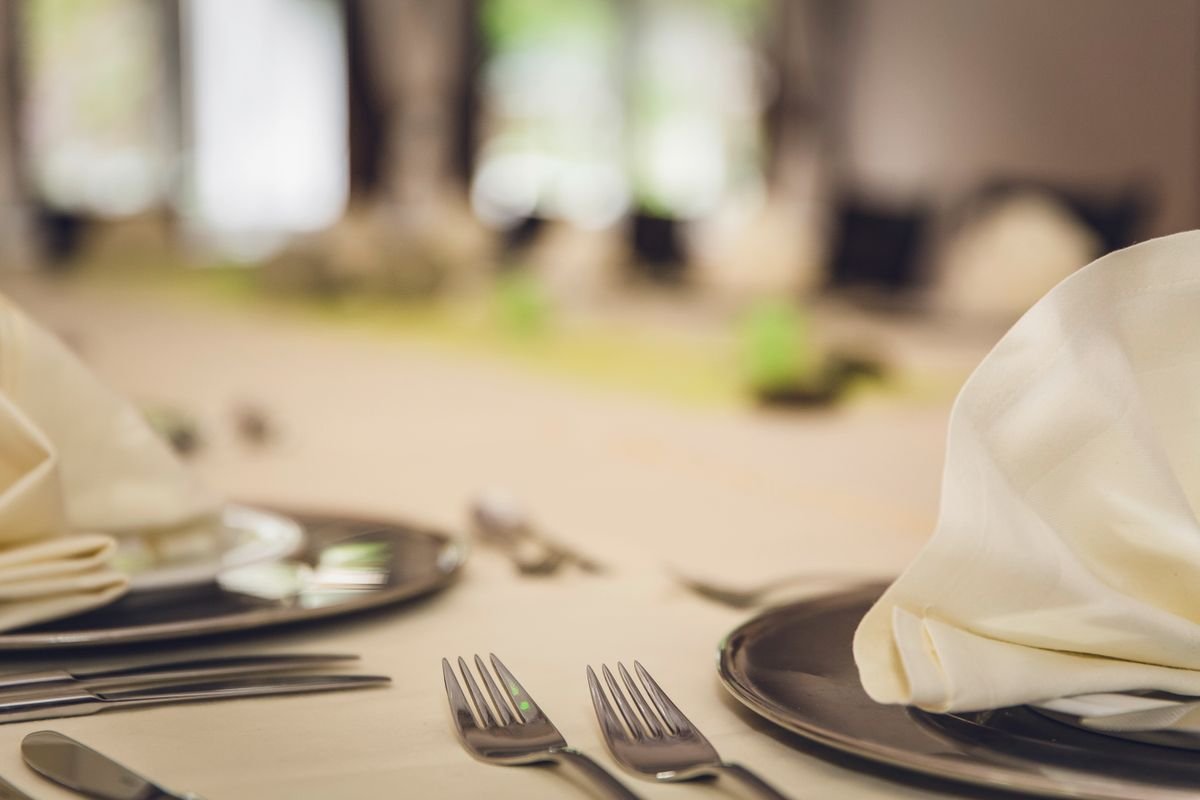
Quick Answer: Milestone event catering feels worthy of a company anniversary when the menu, pacing, and service are built around the company's own story rather than a standard corporate template. Strong milestone event catering in NYC balances celebration and gravity, gives the toast its moment, and holds a large room's energy across a long evening.
A company anniversary asks more of a caterer than a standard corporate function, because the room is celebrating history rather than a calendar date.
Milestone event catering works best when the menu carries the company story, from founding-era references to the direction the business is heading.
Guest lists mix founders, employees, board members, and long-standing clients, so the food and service have to speak to several audiences at once.
What Separates a Company Anniversary From Any Other Corporate Event?
A holiday party marks a season. A product launch markets something. An anniversary does neither. It asks a room full of people to look backward and forward in the same evening, and that emotional register is different from anything else on the corporate calendar.
That difference shapes every milestone event catering decision. The tone has to feel celebratory without tipping into a party that forgets why everyone is there. It has to feel significant without becoming so formal that longtime employees feel like guests in their own company.
Milestone event catering lives in that balance. The food should feel like a genuine occasion, generous and considered, while the service reads warm rather than ceremonial. Get that calibration wrong in either direction and the evening either feels thin or feels stiff.
There is also a longevity factor. People remember anniversary events for years, and they compare the twenty-fifth to the tenth. That memory pressure is exactly why milestone event catering deserves more planning attention than a routine corporate reception.
How Does a Menu Tell a Company's Story?
The strongest milestone event catering menus are not generic luxury. They are specific. A company founded in a single Brooklyn office can open the evening with a nod to the neighborhood it started in. A firm whose growth came through international expansion can build courses around the regions that shaped it.
This is where milestone event catering separates itself from ordinary corporate service. The menu becomes a narrative device rather than a list of dishes, and guests notice the intention even when nobody explains it out loud.
A few approaches work consistently. Reference the founding era through one dish rather than a whole retro menu, which keeps it charming instead of gimmicky. Let the main courses reflect the company as it exists now, confident and current. Use the dessert course to gesture forward, toward what comes next.
Naming can carry weight too. A cocktail titled for the founding year or a station named for the first office location gives guests a small discovery. These details cost nothing and do a great deal of work, which is why thoughtful milestone event catering leans on them.
The line to watch is sentimentality. One or two story elements land beautifully. Six of them turn dinner into a slideshow.
How Do You Cater for Founders, Employees, and Clients in One Room?
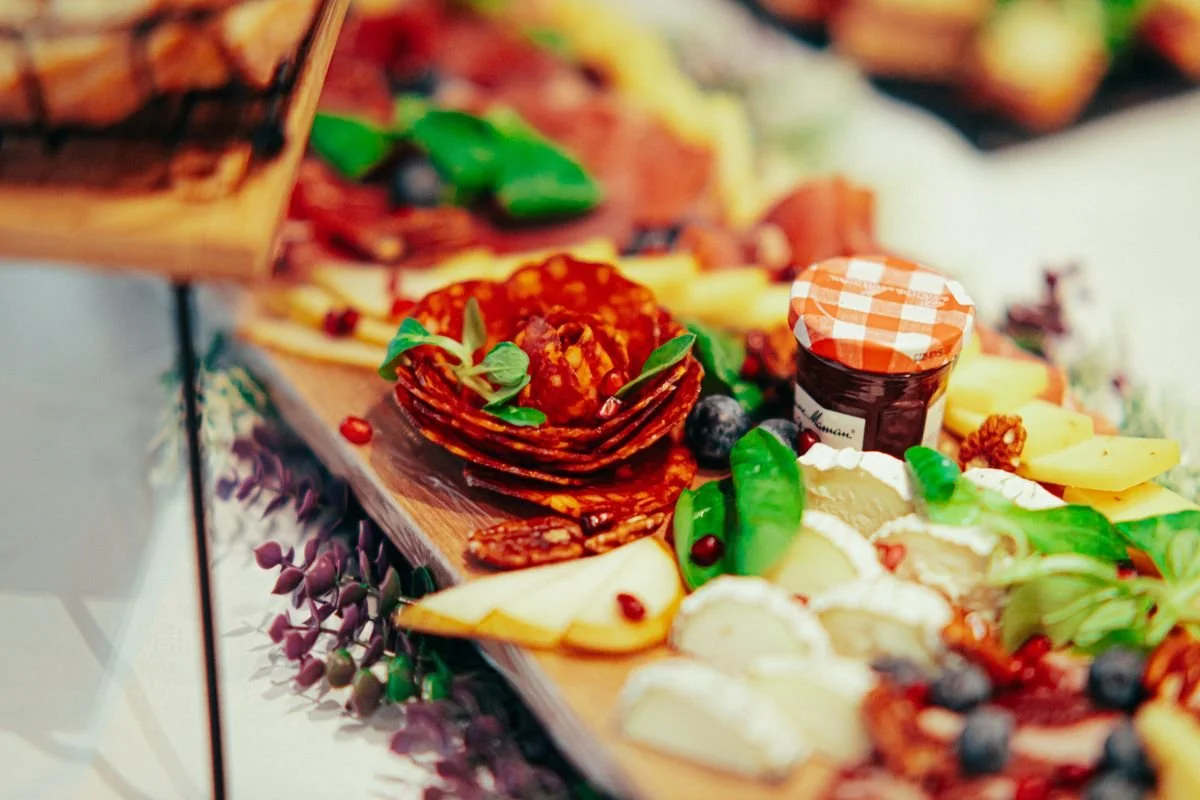
Anniversary guest lists are unusually mixed. A single evening might hold the founding partners, a two-hundred-person staff, board members, major clients, and press. Each group arrives with different expectations, and milestone event catering has to satisfy all of them without visibly segmenting the room.
Service style does most of that work. A reception opening lets people find each other before anyone sits, which matters when half the room has never met the other half. A seated dinner then gives the evening structure and creates the natural hush a toast requires.
In milestone event catering, menu breadth matters as much as menu quality. Dietary needs across a large mixed audience are wide, and every guest should have a plated option that feels equally considered rather than an obvious substitution plate.
Staffing ratios deserve real attention in milestone event catering. A room this varied moves unpredictably, and service that lags during the reception sets a tone that is difficult to recover from once dinner begins.
Which Formats Fit the Milestones Companies Actually Celebrate?
Not every anniversary calls for the same evening, and milestone event catering should follow the milestone itself. A fifth anniversary and a fiftieth are celebrating fundamentally different things, and the format should reflect that.
| Milestone | What the Room Is Really Celebrating | Catering Approach That Fits |
|---|---|---|
| 5 Years | Momentum, and proof the company is here to stay | Energetic standing reception with interactive stations and a strong bar program |
| 10 Years | Growth and the people who built it | Cocktail hour flowing into a seated dinner with one clear toast moment |
| 25 Years | Legacy, alumni, and long client relationships | Full seated dinner with a curated multi-course menu and elevated wine service |
| 50 Years and Beyond | Institutional history and public stature | Formal seated program with heritage-inspired courses and full staffing depth |
| Multi-Day Program | Employees, clients, and press across separate events | Distinct menus per event held together by one consistent culinary thread |
Matching format to milestone is the least glamorous part of corporate milestone catering and one of the most important. A black-tie seated dinner for a young company can feel like a costume, while a standing reception for a fiftieth can feel like the company undersold its own history.
How Do You Hold a Large Room's Energy Across a Long Evening?
Anniversary events run long. Between arrivals, remarks, dinner, and the inevitable extended goodbyes, four hours is common, and five is not unusual. Energy management is therefore a milestone event catering problem as much as a program problem.
The reception should be substantial enough that guests are not arriving at dinner hungry, but restrained enough that dinner still feels like an event. Passed items during the first hour keep people circulating rather than clustering at a single station.
Dinner pacing is where most long evenings are won or lost. Courses that arrive too quickly compress the night and leave a long empty stretch at the end. Courses that lag lose the room before the final speech. Experienced milestone event catering teams read the room and adjust in real time rather than following a fixed clock.
Late-evening service matters more than most planners expect. A coffee and dessert station near the end, or a savory offering as the bar winds down, gives people a reason to stay for the part of the night where the best conversations happen.
What Details Make a Company Anniversary Feel Personal at Scale?
Scale and personalization usually pull against each other, and resolving that tension is the real craft in company anniversary catering NYC clients remember.
Chef-attended stations help here, because they create moments of individual attention inside a large event. So does custom printing on menus that references the milestone rather than just the date. So does a signature cocktail built with the founders rather than for them.
The other lever in milestone event catering is sequencing. Building the evening so there is one clear culinary moment, something guests will describe afterward, gives the event a center of gravity. It might be a course presented all at once across the room, or a dessert service timed to the final toast.
What does not work is spreading the budget evenly across everything. Even milestone event catering at a generous budget benefits from deciding where the evening should peak.
When Should Planning Start for a Company Anniversary?
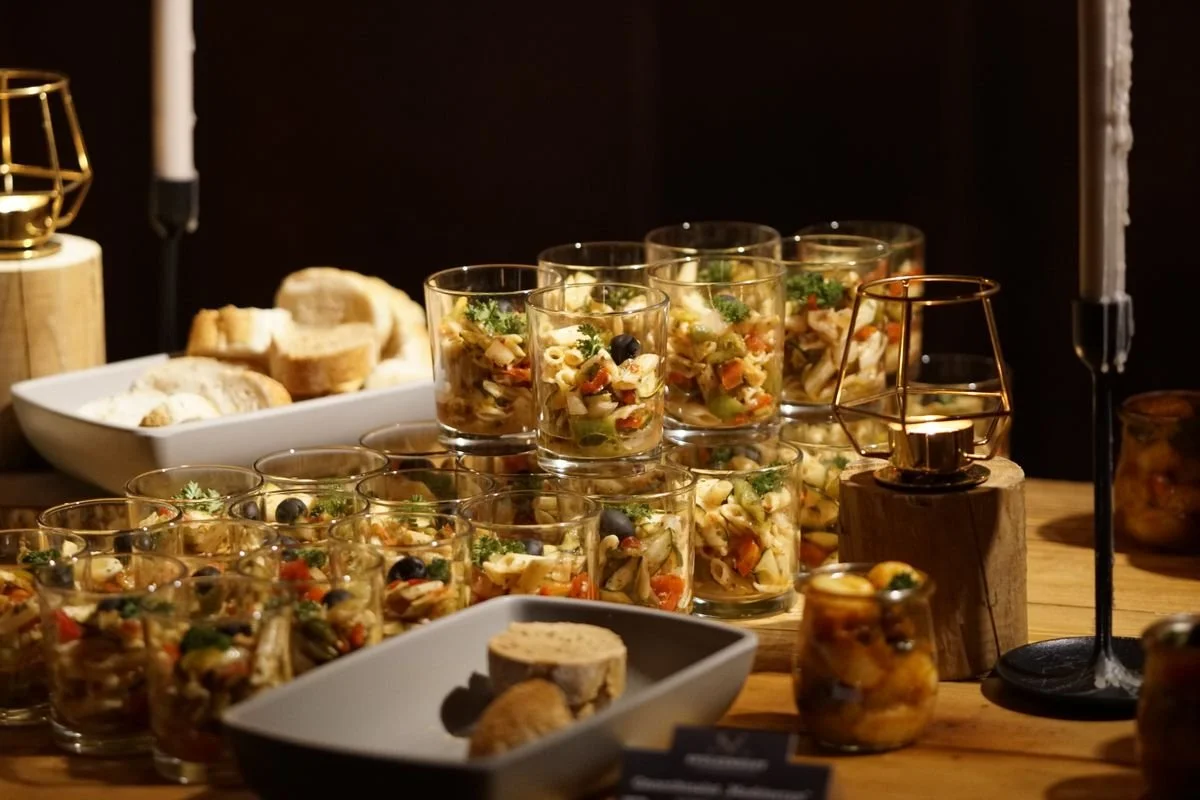
Milestone event catering carries longer lead times than most corporate work, partly because the date is known years ahead and partly because the venues that suit them book early.
Twelve months out, confirm the date, the guest count range, and the venue, since New York spaces suited to large anniversary programs move quickly.
Nine months out, define the tone, whether the evening is a reception, a seated dinner, or a multi-part program.
Six months out, begin menu development, including any story-driven elements that need sourcing time.
Three months out, hold the tasting and lock the service plan, staffing ratios, and run of show.
One month out, finalize counts, dietary requirements, and venue logistics, including load-in and insurance documentation.
Working this sequence keeps the story-driven parts of milestone event catering from becoming last-minute additions, which is usually when they start to feel forced.
Frequently Asked Questions
How is milestone event catering different from holiday party catering?
Holiday catering is seasonal and repeats annually, so expectations are familiar. Milestone event catering does not have that safety net. An anniversary happens once and carries institutional meaning, so the menu, pacing, and service are built specifically for that company rather than pulled from a seasonal template.
Should a company anniversary be a seated dinner or a reception?
It depends on the milestone and the guest list. Younger companies and larger headcounts often suit a standing reception with stations, while significant anniversaries with speeches and honored guests benefit from the structure a seated dinner provides.
Can the menu reference the company's history without feeling dated?
Yes, when it is used sparingly. One founding-era dish or a cocktail named for the founding year reads as thoughtful. An entire retro menu tends to overwhelm the evening and distract from the food itself.
How far in advance should a large NYC anniversary event be booked?
Nine to twelve months is realistic for large-scale programs, especially for popular New York venues and peak calendar months. Menu development and tastings then follow in the six- to three-month window.
How do you handle a guest list that mixes employees, executives, and clients?
Milestone event catering solves this through service structure rather than separate treatment. A reception opening lets the groups mix naturally, and a single well-designed menu with full dietary coverage keeps every guest having the same experience.