
Reimagining Iconic Dishes With World Classics Catering
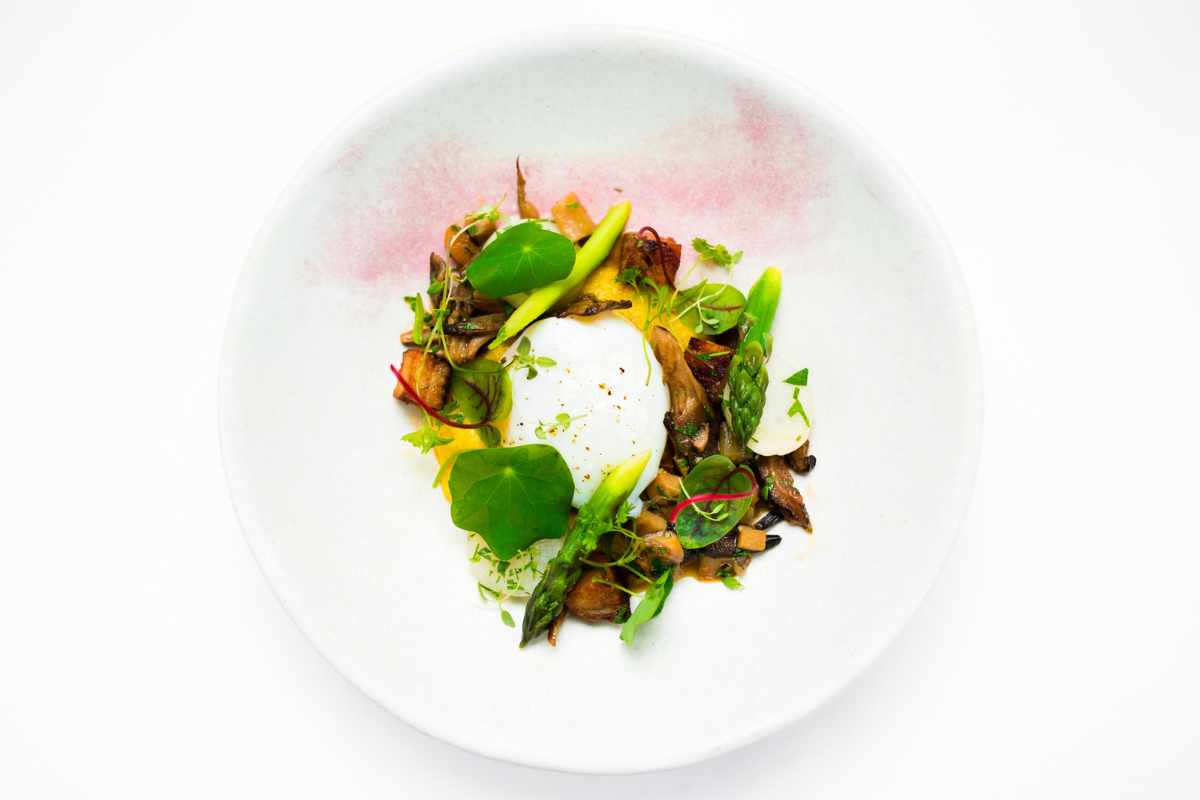
Quick Answer: World classics catering is the practice of taking globally recognized dishes (Italian, French, Japanese, Levantine, Latin American, Korean, North African, and beyond) and reimagining them through refined technique, modern plating, and event-appropriate service for a sophisticated New York audience. The strongest world classics catering programs do not simply present international cuisine. They draw from the world's most beloved culinary traditions and reinterpret them with the precision of fine dining and the format flexibility of premier event catering. At Cloud Catering and Events, this approach is built into the kitchen's identity, with a Michelin-trained culinary team that designs menus pulling from every great cuisine in the world.
What World Classics Catering Actually Means
The phrase "world classics catering" gets used loosely. For Cloud Catering and Events, it has a specific meaning. World classics catering is the deliberate, creative practice of taking dishes that have earned their place in the global culinary canon and reinterpreting them for the modern event format. A Big Mac becomes a refined Mini Big Mac canapé with house-made special sauce.
A Spanish empanada becomes Empanada de Pollo Fricassee with slow-braised chicken, olives, raisins, white wine, and carrot. An okonomiyaki becomes Shrimp "Okonomiyaki" Style Blini with Kewpie mayo and cabbage. A tartare becomes Muhammara Tartare on a caraway and cumin flatbread, drawing from the Levantine kitchen.
The dishes themselves are iconic. The reinterpretation is what makes them work at the level a New York event demands. Plating is refined for the canapé tray or the small plate station. Portions are calibrated for elegant consumption rather than appetite-filling abundance.
Technique is borrowed from the Michelin-starred kitchens where Cloud's culinary leadership was trained. The result is food that feels familiar enough to be welcoming and elevated enough to feel like a discovery.
This is what Cloud means when the kitchen talks about world classics catering. It is not international cuisine as a marketing category. It is a culinary point of view rooted in the belief that the best dishes in the world deserve to be reimagined for the most beautiful events in New York.
Why World Classics Catering Resonates With NYC Audiences
New York is one of the most well-traveled, culturally sophisticated event audiences in the world. Guests at corporate events, luxury weddings, brand launches, and gala dinners have eaten across the globe and remember the meals that mattered. A standardized catering menu reads as a missed opportunity for that audience. A world classics catering menu, by contrast, signals genuine creative investment.
The data support this shift. Industry research from Future Market Insights and BizBash consistently shows that customization and culinary distinction have become the most important menu drivers for premium event clients.
Plant-forward, seasonally sourced, globally influenced menus are now the standard for the highest tier of NYC catering. The standardized "passed bites, chicken or fish, sheet cake" model has been replaced by curated menus that traverse the world's great cuisines.
What makes a world classics catering menu work is restraint. The strongest menus do not try to be a global tour. They select a few iconic dishes, reinterpret them with technique, and let each one carry weight. A Cloud menu might pull from Japanese, French, Levantine, and Latin American traditions in a single evening, but each dish is given the space to feel intentional rather than performative.
How the Cloud Kitchen Approaches World Classics Catering
The Cloud culinary team is led by chefs trained at Michelin-starred restaurants across the globe. That training shows up directly in how the kitchen approaches world classics catering. Every dish on a Cloud menu has been built up from a recognizable global classic, then refined through the techniques the team brings from their fine-dining backgrounds.
The table below illustrates how this works in practice, drawing from the actual Cloud hors d'oeuvres and seated dinner menus.
| Classic Origin | Iconic Dish | Cloud Reinterpretation |
|---|---|---|
| American | Big Mac | The Mini Big Mac with cheddar, pickle, lettuce, tomato, special sauce |
| Japanese | Yakitori | Yakitori Pork Belly Steam Bun with pickled cucumber, cilantro, scallion |
| Japanese | Okonomiyaki | Shrimp “Okonomiyaki” Style Blini with Kewpie mayo and cabbage |
| Spanish / Latin | Empanada | Empanada de Pollo Fricassee with slow-braised chicken, olives, raisins, white wine, carrot |
| Levantine | Muhammara | Muhammara Tartare on a caraway and cumin flatbread |
| Ethiopian / East African | Berbere-spiced lamb | Smoked Niman Ranch Lamb Belly with Berbere chili yogurt on chickpea flatbread |
| Korean | Ssamjang | Tofu Panna Cotta with ssamjang vinaigrette, crispy shallot, sesame |
| French | Salade Composée | Salade du Poire Poché Au Sancerre with Sancerre Banyuls réduction, rosemary pear compote, fall greens, orange vinaigrette |
| French / German | Gâteau Basque + Black Forest | Black Forest Gâteau Basque with 72% Valrhona pastry cream, five spice poached quince, crème anglaise, brandied cherries |
Each dish is a recognizable global classic. None of them is presented in its original form. The reinterpretation is what creates the experience.
The Creative Process Behind Every World Classics Menu
A world classics catering menu does not come from a catalog. It comes from a creative process that starts with the host's vision and works backward through the Cloud kitchen's repertoire of reimagined classics.
The process typically begins with a discovery conversation. The Cloud culinary team meets with the host, the planner, or the brand's experiential team to understand the event vision, the guest profile, the cultural backgrounds in the room, the season, the venue, and the emotional register the host wants the menu to carry.
From that conversation, the kitchen team selects dishes from across the world's great cuisines and proposes a curated set of reinterpretations that fit the specific evening.
The menu is then refined through tasting. Multiple rounds of feedback shape the final composition. Adjustments are made for dietary inclusivity, sourcing, and the venue's practical realities. By the time the menu is locked, it represents a genuine creative collaboration between the kitchen and the host.
This is fundamentally different from selecting from a catering catalog. The Cloud approach treats every menu as a one-time creative work. The dishes draw from the world's culinary canon, but the selection and execution are tailored to that night.
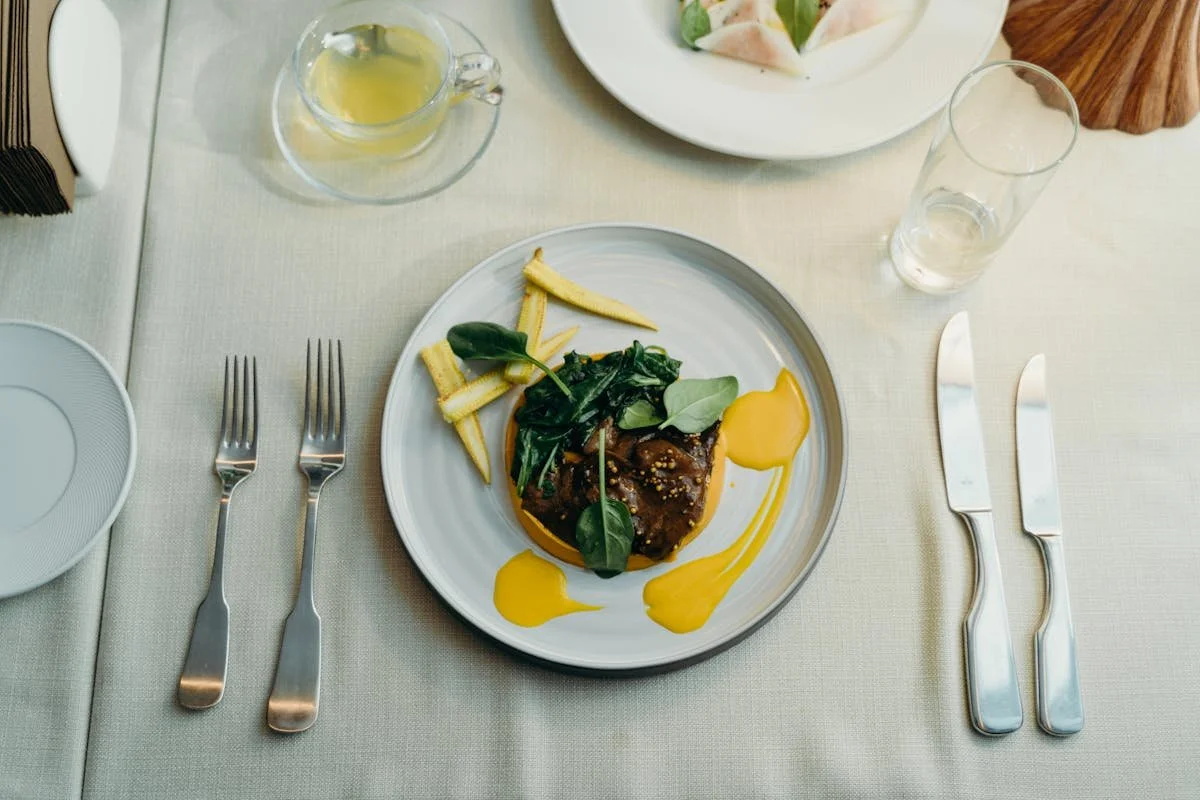
Why World Classics Catering Performs Across Event Types
World Classics Catering performs uniquely well across the full range of premium NYC events because the format is naturally flexible.
A reimagined Mini Big Mac and a Yakitori Pork Belly Steam Bun can coexist beautifully at a luxury fashion launch, a corporate cocktail reception, a wedding cocktail hour, or a nonprofit benefit. The cultural literacy and culinary range of the menu reads as confident, intentional, and brand-appropriate across categories.
The chart below summarizes how World Classics Catering tends to perform across major event types.
| Event Type | Why World Classics Catering Performs |
|---|---|
| Corporate Galas | Sophisticated audience appreciates global culinary literacy |
| Luxury Brand Launches | Curated menus echo the brand’s design language |
| Luxury Weddings | Allows cultural traditions and family heritage to be honored |
| Nonprofit Galas | Donor experience benefits from a thoughtful, distinctive menu |
| Cultural Institution Events | Menus can be tied to the institution’s exhibitions or mission |
| Cocktail Receptions | Passed bites format naturally suits global canapés |
| Small Plate Stations | Stations let guests experience the full menu range |
The Cloud small plate station experience is a particularly strong format for world classics catering. The format combines a casual dining experience with the sophistication and excitement of a plated dinner, with elegant, abbreviated dishes that elevate a standard buffet into a thoughtfully designed guest experience. That format is purpose-built for a menu drawn from multiple traditions.
How Sourcing Supports the World Classics Approach
The strongest world classics catering programs depend on sourcing that supports global culinary execution. A Berbere-spiced lamb belly needs Berbere that has been built from quality spices, not a shelf-stable mix.
A muhammara tartare needs roasted red peppers and pomegranate molasses with real depth. A French salade composée needs Sancerre, real Banyuls vinegar, and the kind of fall produce that comes from regional farm partners.
Cloud Catering's sourcing approach is grounded in seasonal availability, specialty purveyor relationships, and the kind of direct ingredient sourcing that fine-dining kitchens depend on. This is part of why the world classics catering output translates from concept to plate. The dishes work because the ingredients work.
You can read more about the Cloud culinary craft and the kitchen's approach to ingredient-driven menu design.
Service That Honors the Food
A world classics catering menu deserves a service team that can describe each dish, explain the inspiration, and walk a guest through the reinterpretation if asked.
A canapé that draws from Japanese yakitori tradition served by a server who can speak to the dish lands differently than the same canapé served without context. The food is more interesting. The conversation around the food becomes part of the experience.
Cloud's service team is trained on every menu before it goes out. Servers know what each dish is, where it draws from, and what to say if a guest asks. The Cloud service philosophy is built around hospitality that aims to be as thoughtful as it is thorough, and culinary literacy is part of that standard.
For luxury brand events and corporate hosting in particular, this level of service detail is meaningful. A guest who learns about the Berbere spicing tradition or the Korean ssamjang influence at the moment of tasting walks away with a stronger memory of the evening than one who simply receives the bite.
Dietary Inclusivity Through World Classics
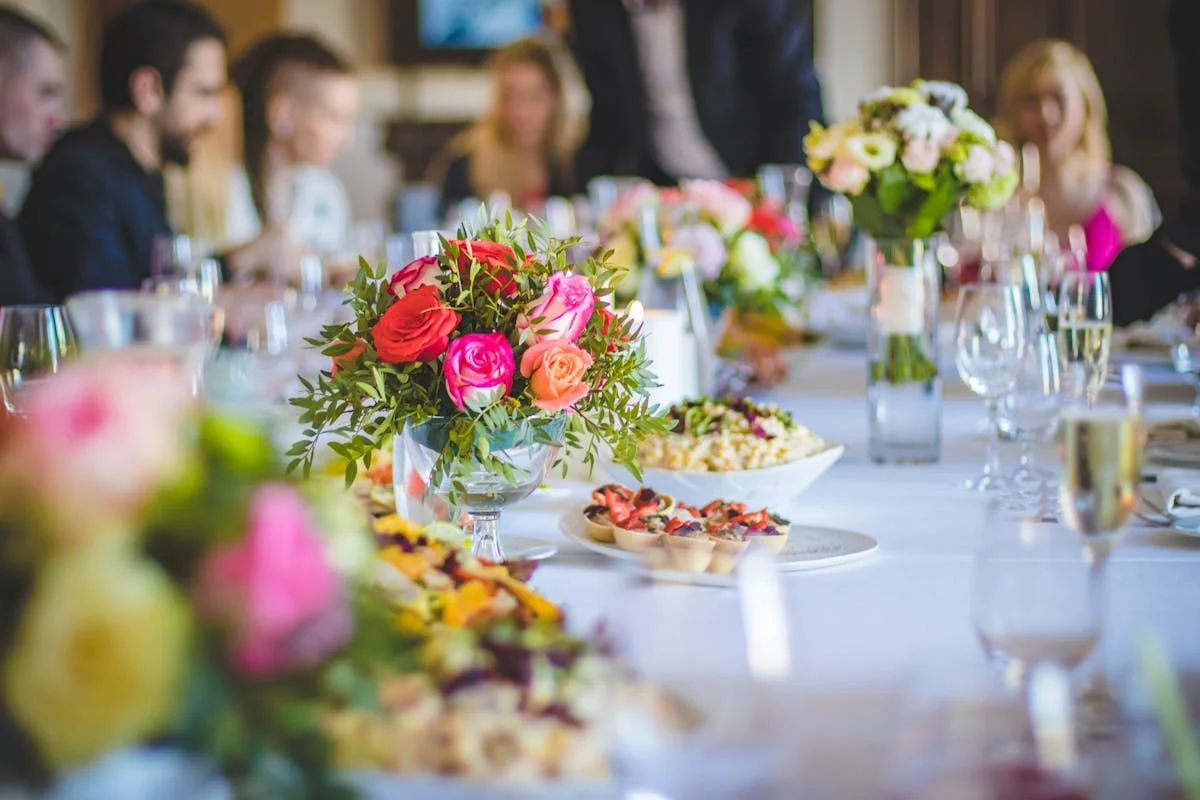
One of the underappreciated strengths of world classics catering is that it naturally supports dietary inclusivity. The world's great cuisines have always included plant-forward, vegetarian, and vegan traditions at the center of their canon. Levantine cuisine offers stunning hummus, muhammara, and grain-based dishes.
Italian cooking centers on vegetables in many of its iconic preparations. South Indian, Thai, and Japanese cuisines have deep plant-forward traditions. North African cooking integrates legumes and vegetables as primary protein sources.
A world classics catering menu does not need to retrofit vegetarian or vegan options. It can build them as primary menu choices from the start, with the plant-forward dishes among the most beautiful items on the table rather than visibly lesser alternatives. Cloud's approach treats every dietary accommodation as a primary menu input, with parallel courses designed to match the visual quality of the rest of the program.
The Brand Behind the Approach
Cloud Catering and Events has been catering New York's most sophisticated events since 2011.
The Cloud client roster reflects the breadth of the brands and institutions that have trusted Cloud's world classics catering approach: Chanel, Vacheron Constantin, Omega, Piaget, Rolex, Swarovski, David Yurman, Berluti, Giorgio Armani, Max Mara, Brooks Brothers, Tesla, Bose, MoMA, the American Ballet Theatre, the New Museum, the Smithsonian, the Park Avenue Armory, and many others.
What unites these engagements across categories is the Cloud commitment to a single principle: every event is a collaborative expression, and the menu should reflect the host's vision through dishes that draw from the best of the world's culinary traditions. You can read more about the Cloud approach and the culinary craft the team brings to each engagement.
How Cloud Catering Approaches World Classics Catering in NYC
Cloud Catering and Events has built its New York practice around a Michelin-trained culinary team that approaches world classics catering as a creative discipline rather than as a menu category.
The kitchen's repertoire spans every continent, every great cuisine, and every classic dish worth reimagining. Each menu is built specifically for the event, the venue, the audience, and the moment, drawing from that broad culinary canon in a curated, intentional way.
For hosts beginning to scope an upcoming wedding, corporate event, brand launch, or nonprofit gala, the Cloud team is available to consult on menu structure, dish selection, and service flow well in advance of the formal proposal stage. The Cloud team's creative approach treats every menu as a one-time work, and world classics catering is the language the kitchen speaks.
The best events in New York are the ones where the food carries weight. World classics catering, executed with the precision of a fine-dining kitchen and the format flexibility of a premier catering operation, is how Cloud delivers that result.
Frequently Asked Questions
What is world classics catering?
World classics catering is the practice of taking globally recognized dishes from the world's great cuisines (Italian, French, Japanese, Levantine, Latin American, Korean, North African, and others) and reimagining them through refined technique, modern plating, and event-appropriate service. At Cloud Catering, this approach is built into the kitchen's identity and shapes every menu the team produces.
How is world classics catering different from international or fusion catering?
World classics catering starts from iconic dishes and reinterprets them with technique and refinement, while international catering typically presents regional cuisines in their traditional form, and fusion catering combines elements of multiple cuisines into hybrid dishes. World classics catering honors the original dish while elevating it for the modern event context.
What kinds of events benefit most from world classics catering?
Luxury weddings, corporate galas, brand launches, nonprofit benefits, and cultural institution events all benefit from world-class catering. The sophisticated cultural literacy and culinary range of the menu perform especially well with well-traveled, design-conscious audiences common to high-end NYC events.
Can a world classics catering menu accommodate dietary restrictions?
Yes, exceptionally well. The world's great cuisines have always included strong plant-forward, vegetarian, and vegan traditions at the center of their canon. Levantine, Italian, South Indian, Thai, Japanese, and North African cooking all provide naturally inclusive options that can be designed as primary menu choices rather than substitutions.
How do I work with Cloud Catering on a world classics catering menu for my event?
The process begins with a discovery conversation about the event vision, the guest profile, the season, the venue, and the host's culinary preferences. The Cloud culinary team then proposes a curated menu drawn from the world's classic cuisines, refined through tasting and feedback, and finalized in close collaboration with the host. Reach out to the Cloud team to begin the conversation well in advance of the event date.
Sources
Future Market Insights, Catering Services Market Trends & Demand 2025-2035:https://www.futuremarketinsights.com/reports/catering-services-market
BizBash, How Sustainability and Customization are Shaping Event Catering:https://www.bizbash.com/corporate-events/how-sustainability-and-customization-are-shaping-event-catering
Max Ultimate Food, Top Trends in Corporate Catering for 2025:https://maxultimatefood.com/top-trends-in-corporate-catering-for-2025/
National Restaurant Association, Industry Research on Menu Innovation:https://restaurant.org
Eventbrite, Industry Reports on Experiential Event Trends:https://www.eventbrite.com