
What Black-Tie Event Catering Looks Like for NYC's Most Formal Celebrations
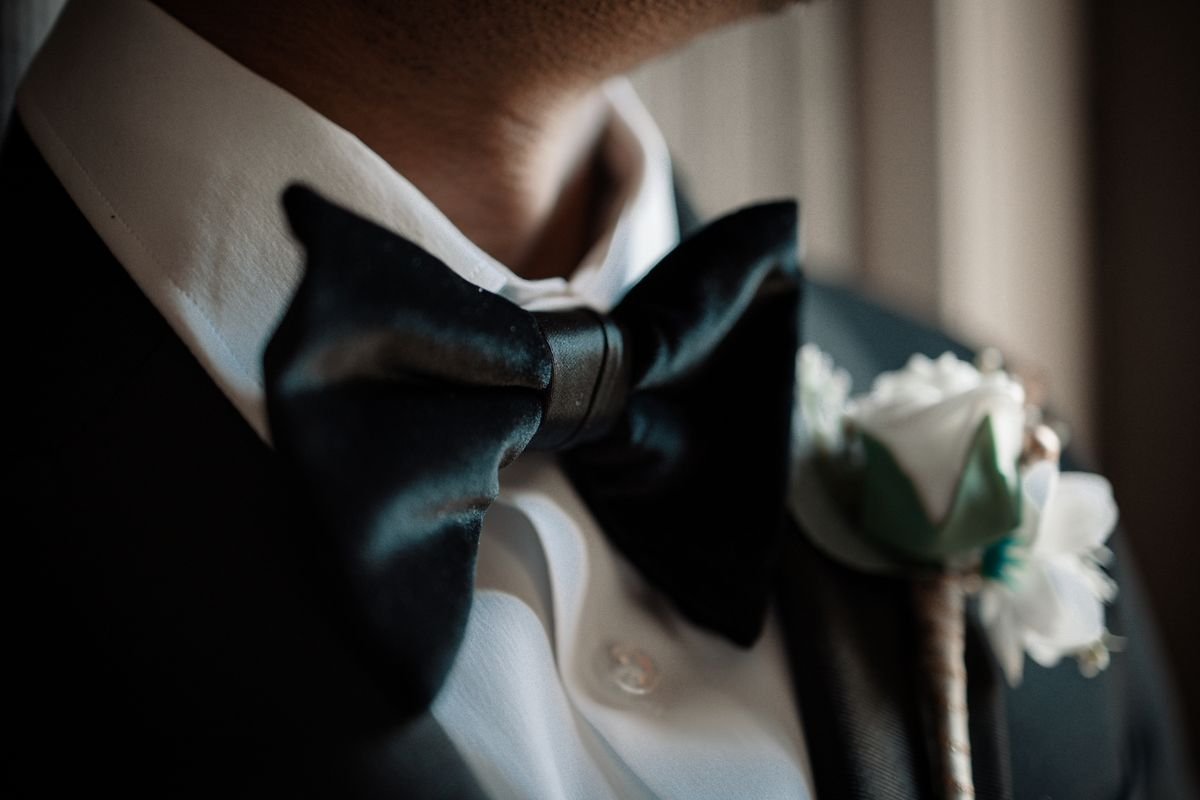
Quick answer: Black-tie event catering in NYC looks like precisely choreographed plated service, a higher staffing ratio than a standard reception, and a level of presentation and decorum that matches the formality of the occasion itself. While the menu matters, what actually distinguishes black-tie catering is how food and service are delivered, with timing, staff conduct, and attention to detail all calibrated to the event's level of formality.
Black-tie event catering NYC is defined less by the menu itself and more by the precision of service, staffing, and presentation that surrounds it.
Formal event catering NYC at this level requires choreography, from plating timing to staff movement, that guests may never consciously notice but would immediately feel the absence of.
The most formal NYC celebrations demand a catering standard where every detail of service reinforces the occasion's gravity.
What Sets Black-Tie Event Catering Apart from Other Formal Events
New York City hosts no shortage of upscale corporate galas and luxury weddings, but true black-tie events sit at a distinct level of formality, one where every detail of service is expected to match the occasion's gravity. Black-tie event catering NYC is defined less by any single dish and more by the precision behind how the entire event is executed, from the moment guests are seated to the final course.
This distinction matters because black-tie events carry expectations that go beyond good food. Guests attending a black-tie gala, an investor dinner, or a formal wedding reception are accustomed to a certain standard of service, and any lapse in that standard- a delayed course, an inattentive server, a plating inconsistency- registers immediately in a room built around formality.
The Service Standards That Define Black-Tie Catering
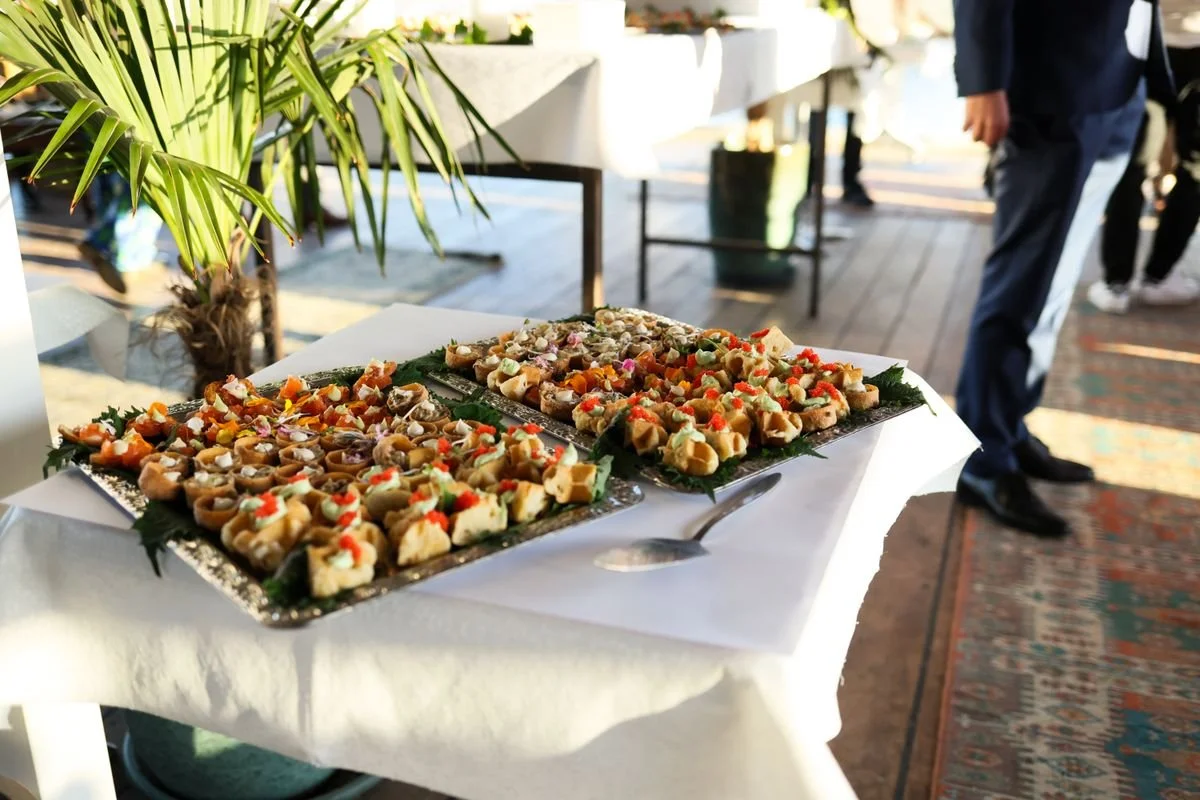
A handful of service disciplines separate black-tie event catering from a standard upscale reception.
Plated Service as the Formal Standard
Black-tie events almost universally call for plated service rather than buffet or stationed formats. A formally plated course, served simultaneously across a room, communicates a level of precision and formality that self-service formats cannot replicate.
Formal event catering NYC at the black-tie level requires a kitchen and service team capable of executing plated courses for hundreds of guests with the same consistency as a small private dinner.
Staffing Ratios and Choreography
Black-tie catering typically requires a higher staff-to-guest ratio than a standard reception, since formal plated service depends on servers working in close coordination to deliver courses simultaneously across the room.
This choreography extends beyond simply carrying plates. It includes precise timing for course clearing, coordinated movement that avoids disrupting toasts or speeches, and staff trained to anticipate a formal room's rhythm rather than react to it.
Presentation Precision
At a black-tie level, plating consistency is non-negotiable. Every plate leaving the kitchen has to match in portioning, garnish placement, and visual presentation, since even minor inconsistencies are more noticeable in a formal setting where guests have fewer distractions and higher expectations.
Black-tie event catering NYC teams built for this level of precision treat plating consistency as seriously as flavor itself.
How Formality Shapes Every Stage of the Event
The formality of a black-tie event influences catering decisions well beyond the meal itself, from the moment guests arrive to the final course served.
| Event Stage | Black-Tie Standard | Why It Matters |
|---|---|---|
| Cocktail Reception | Formally passed hors d'oeuvres, minimal self-service | Sets a polished tone before the seated program begins |
| Seated Dinner Service | Fully plated, simultaneously served courses | Matches the formality guests expect at a black-tie event |
| Speeches and Toasts | Service paused or coordinated around the program | Avoids disrupting formal moments in the evening |
| Dessert and Close | Precisely timed final course, no lingering service gaps | Ends the evening with the same polish it began with |
The Role of Staff Presence and Decorum
Beyond technical service skill, black-tie event catering NYC depends heavily on staff presence and demeanor. Service teams at this level are trained to be attentive without being intrusive, present enough to anticipate a guest's needs but never a distraction from the room's formal atmosphere.
That balance, being highly responsive while remaining unobtrusive, is a specific hospitality skill that distinguishes black-tie service from more casual event formats.
Staff attire, posture, and manner of communication all reinforce this standard as well. In a black-tie setting, the service team is part of the visual formality of the room, and any inconsistency in presentation among staff stands out just as much as a plating error.
What to Confirm With Your Black-Tie Caterer
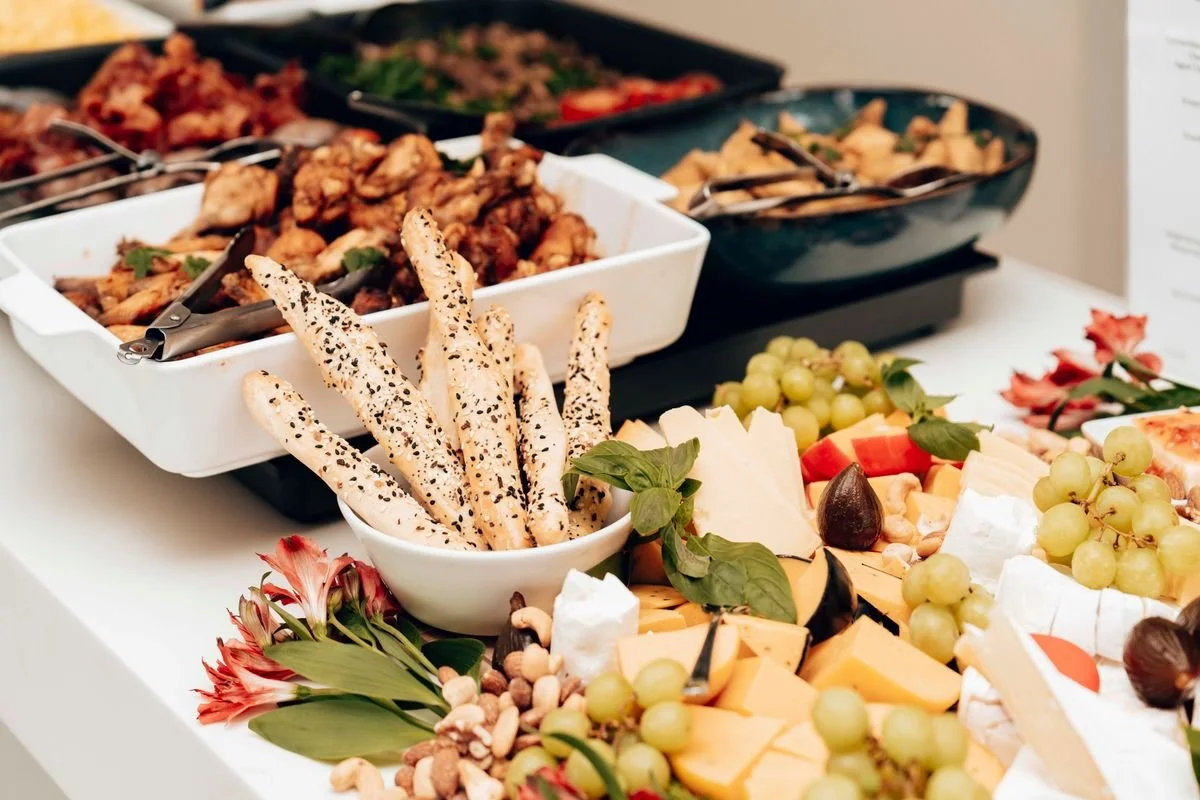
A few conversations during planning help ensure a black-tie event meets the formality guests expect.
Confirm the planned staff-to-guest ratio for plated service, since black-tie events generally require more staff than a standard reception.
Ask how the catering team will coordinate course timing around speeches, toasts, or other formal program elements.
Review plating standards and ask how consistency is maintained across a large guest count.
Discuss staff training and presentation standards, since service conduct is as visible as the food itself at this level.
Clarify how the cocktail reception will be handled to set the right tone before the seated portion of the event begins.
What This Means for Hosts Planning a Black-Tie Event in NYC
Whether the occasion is a formal corporate gala, an investor dinner, or a black-tie wedding reception, the standard guests expect goes well beyond an excellent menu. Black-tie event catering NYC succeeds when every stage of the event, from the first passed hors d'oeuvre to the final plated course, reflects the same level of precision and formality the occasion demands.
Choosing a caterer who treats service choreography, staffing, and presentation with the same seriousness as the menu itself is what allows a black-tie event to feel effortlessly formal, rather than formal in name only.
Frequently Asked Questions
Why does black-tie catering require more staff than a standard event?
Formal plated service depends on courses being served simultaneously across the room, which requires a higher staff-to-guest ratio than buffet or stationed formats.
Is plated service always required for black-tie events?
Plated service is the standard expectation for most black-tie occasions, since it reflects the formality and precision guests associate with the occasion.
How is course timing coordinated around speeches or toasts?
Experienced black-tie catering teams plan service around the event's program, pausing or adjusting timing so course service never disrupts formal moments.
What makes plating consistency so important at black-tie events?
In a formal setting, guests notice details more readily, so consistent portioning, garnish, and presentation across every plate reinforces the event's overall polish.
Does black-tie catering apply to weddings as well as corporate events?
Yes, black-tie formality applies to both formal corporate galas and black-tie luxury weddings, with the same service standards expected in either setting.