
Quick Answer: Lower East Side catering suits large galas and corporate events because the neighborhood offers character-rich historic venues that need an experienced team to work within them. The best catering for these spaces balances refined, large-scale service with careful planning for load-in, kitchen access, and building rules, so the architecture shines and guests stay comfortable.
Lower East Side catering pairs the neighborhood’s historic architecture with polished, large-scale service for galas and corporate events.
Historic venues reward smart planning around load-in, kitchen setup, capacity, and building rules.
A menu and service style that complement the space turn a landmark setting into an unforgettable evening.
Why Is the Lower East Side a Favorite for Large Galas and Corporate Events?
The Lower East Side has a character that few New York neighborhoods can match. Its streets carry layers of history, and its buildings hold the kind of texture that new construction cannot imitate. For brands and hosts planning a large gala or corporate event, that atmosphere does a lot of the storytelling before the first course is served.
This is why Lower East Side catering has become a natural fit for events that want substance as well as style. Guests arrive in a setting with a real past, and the evening feels rooted instead of generic. A fundraising gala, an anniversary celebration, or a company milestone dinner gains a sense of meaning simply by being held somewhere with history.
Lower East Side catering also benefits from a neighborhood that is well connected and easy to reach for guests traveling from across the city, which matters when a guest list includes executives, donors, and partners arriving from different directions.
What Does Historic Venue Catering Require That Standard Venues Do Not?
Historic spaces are beautiful, and Lower East Side catering in them is also demanding. The same features that make them special, such as soaring ceilings, original details, and unique layouts, can complicate how a large event is catered. Strong Lower East Side catering begins with respect for the building.
How Do Load-In and Kitchen Access Shape the Plan?
Many historic venues were never designed with a commercial kitchen in mind. That means the catering team often builds a working kitchen on site, with careful attention to power, ventilation, and workflow. Load-in windows can be tight, and access routes may be narrow, so equipment and staff are scheduled to move efficiently without disturbing the space.
Experienced teams walk the venue ahead of time, mark out prep zones, and map the path food will take from the kitchen to every table. That planning is invisible to guests, yet it is what lets a complex event feel calm.
How Do Capacity and Layout Affect Service?
Historic halls have character, and they also have limits. Fire codes, ceiling heights, and room shape all influence how many guests can be seated and how service moves through the room. Lower East Side catering for a large seated dinner needs a layout that gives servers clear paths while preserving sightlines to the stage, the podium, or the architecture itself.
For cocktail-style events, the layout decides where bars, stations, and passed-bite routes sit, so guests flow naturally instead of crowding the doors.
Which Historic Venues Fit the Lower East Side Catering Style?

The neighborhood and its surroundings include spaces that suit large celebrations. The Angel Orensanz Foundation, a landmark former synagogue on the Lower East Side, is one example of a historic setting known for its dramatic scale and architecture, and it shows what the neighborhood can offer a large gala or corporate evening.
When a space has this much presence, the catering should support it rather than compete with it. Menus, tabletop design, and service style are chosen to complement the room. Cloud Catering works with a wide range of New York spaces, and you can explore options on the Cloud Catering venues page.
How Should the Menu Complement a Historic Setting?
Lower East Side catering in a landmark space should feel confident and considered. The room already carries drama, so the food can be elegant and composed instead of flashy.
What Works for a Seated Gala?
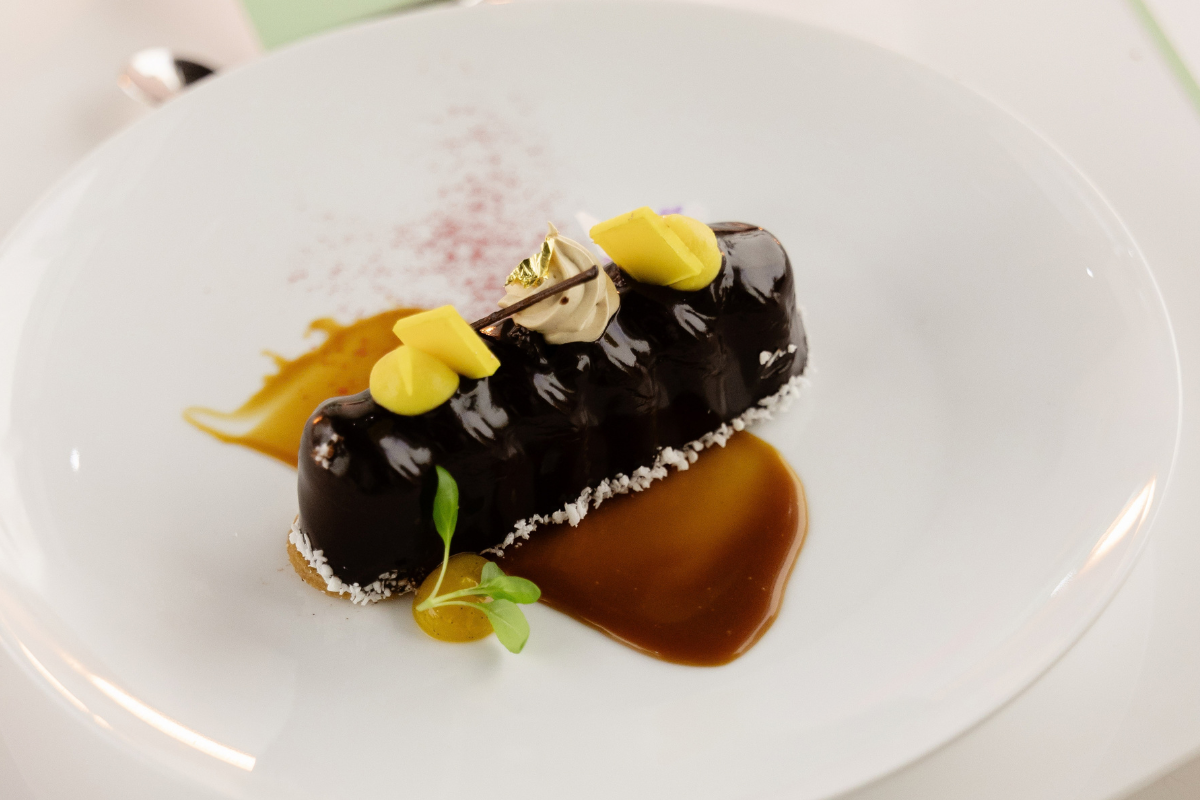
A seated gala in a historic hall benefits from a classic structure with a modern touch. Think of a refined opening course, a well-balanced main, and a dessert that closes the evening with a flourish. Courses should be easy to serve at scale, so every table receives its plate at the same moment and at the right temperature.
What Works for a Reception-Style Corporate Event?
For corporate receptions and launches, an interactive format lets guests explore the space while they enjoy the food. Chef-attended stations and passed hors d’oeuvres bring energy and movement to a large room. Cloud Catering’s interactive food stations work especially well in historic halls, where guests enjoy walking the room and taking in the details.
How Does the Neighborhood Inspire the Menu?
The Lower East Side has a long food story of its own, shaped by generations of cooks and communities. A thoughtful menu can nod to that heritage with a modern, refined twist, giving guests a sense of place without feeling themed. The idea is to reference the neighborhood with subtlety so the food feels connected to the setting.
How Do Service and Design Come Together?
Great Lower East Side catering does not stop at the plate. The service style, lighting, and tabletop design all shape how guests experience the room.
In a historic space, lighting is often the most powerful tool. Warm uplighting can highlight architectural details, while candlelight on the tables adds warmth at scale. Floral and tabletop choices should echo the space, using natural textures and a restrained palette that lets the architecture lead.
Service should be nearly invisible. Staff move quietly, courses are timed around speeches and presentations, and every detail is rehearsed so the program flows. For large galas, that choreography is what separates a polished evening from a rushed one.
How Does Lower East Side Catering Compare for Different Event Types?
The table below shows how planning priorities shift between common large events in historic venues.
| Event Type | Best Service Style | Key Planning Priority |
|---|---|---|
| Fundraising Gala | Seated multi-course dinner | Course timing around the program |
| Corporate Reception | Stations and passed bites | Guest flow and bar placement |
| Company Anniversary | Cocktail hour into seated dinner | Storytelling through the menu |
| Product Launch | Interactive stations | Brand moments and photography |
Why Choose an Experienced Team for Lower East Side Catering?
Historic venues leave little room for error. The right Lower East Side catering partner understands building requirements, plans the kitchen around the space, and brings culinary depth to match the setting. Cloud Catering’s team brings fine dining training from respected kitchens around the world, which you can explore on the Our Craft page.
If you are planning a gala or corporate event in a landmark space, contact the Cloud Catering team to begin shaping an evening that fits the room.
Frequently Asked Questions
What is Lower East Side catering?
Lower East Side catering is full-service catering for large galas, corporate events, and celebrations held in and around the neighborhood. It often involves historic venues, which call for careful planning around kitchen setup, load-in, capacity, and service flow.
Why are historic venues harder to cater?
Historic venues often lack full commercial kitchens and have tight access, strict capacity limits, and protected architecture. Caterers must build temporary kitchens, schedule load-in carefully, and design layouts that protect the space while keeping service smooth for every guest.
How far ahead should you book Lower East Side catering?
For large galas and corporate events, plan three to six months. That window allows time to secure the venue, walk the space with your caterer, finalize the menu, and coordinate load-in and staffing for a seamless event.
What type of menu works best in a historic hall?
An elegant, well-paced menu works best. Seated galas suit refined multi-course dinners, while receptions benefit from chef-attended stations and passed bites. The food should complement the architecture and be easy to serve at scale.
Can a catering team handle both galas and corporate events?
Yes. An experienced team adapts its menu, service style, and staffing to each event type. Galas emphasize program timing and seated service, while corporate events often focus on guest flow, brand moments, and interactive formats.