
Quick Answer: Luxury Hamptons catering works best when the menu is built around the time of year and the place where guests will dine. Summer calls for light, produce-driven courses on tented lawns, while fall and spring suit richer dishes and warmer service. Matching ingredients, format, and service to the season and setting is what makes a Hamptons event feel effortless.
Luxury Hamptons catering starts with the season, since peak-summer produce and seafood shape what belongs on the plate.
The setting, from oceanfront lawns to garden estates, decides the service format, kitchen setup, and pacing.
Planning around weather, travel, and logistics early keeps a large Hamptons celebration calm and polished.
What Makes Luxury Hamptons Catering Different From Catering in the City?
Guests arrive in the Hamptons expecting something different from a Manhattan ballroom. The pace is slower, the air is softer, and the setting is part of the invitation. Luxury Hamptons catering has to honor that feeling, which means the menu cannot be copied and pasted from a city event.
The biggest difference is that the landscape is a guest at the table. Open lawns, ocean air, long summer light, and garden views all shape how people eat and what they want to eat. A heavy, formal menu that works beautifully indoors can feel out of place on a tented lawn in July.
The most successful luxury Hamptons catering lets the surroundings guide the food, and that is the heart of why luxury Hamptons catering feels so different here.
It also means the catering team has to think like a traveling kitchen. Large weddings and corporate celebrations in the Hamptons often take place on private estates or open grounds where the kitchen is built for the day. That adds a layer of planning that city venues rarely require.
Why Should the Menu Follow the Season?
Seasonality is the quiet signature of luxury Hamptons catering. The East End is known for farm stands, fishing boats, and coastal waters, so guests naturally associate the region with fresh, local ingredients. A menu that reflects what is at its peak feels honest and confident.
How Does Summer Shape a Hamptons Menu?
Summer is the height of the season, and the menu should feel light, bright, and generous. Think ripe tomatoes, sweet corn, stone fruit, fresh herbs, and shellfish served cold or lightly cooked. Heat and humidity change how people eat, so chilled soups, crisp salads, and lean proteins tend to land better than heavy sauces.
Presentation matters just as much. Dishes that hold their shape and flavor outdoors, and that look beautiful in natural light, make a stronger impression than dishes that need split-second timing in the heat.
What Works in the Shoulder Seasons?
Late spring and early fall are increasingly popular for large Hamptons weddings and corporate retreats. The crowds thin, the light turns golden, and the menu can deepen. Fall invites roasted vegetables, richer sauces, and warming spices, while spring opens the door to tender greens and delicate flavors.
These seasons also give a luxury Hamptons catering team more room to showcase technique. Courses can be more layered, and a menu that follows the season gives guests the sense that the evening was designed for this exact moment and no other.
Can a Hamptons Menu Work in Winter?
Winter events are rarer, but they can be some of the most atmospheric. Heated tents, candlelight, and slow-cooked, comforting dishes create a very different mood. A well-planned winter celebration leans into warmth, with richer courses and warm beverages replacing the bright summer palette.
How Does the Setting Change the Way a Menu Is Built?
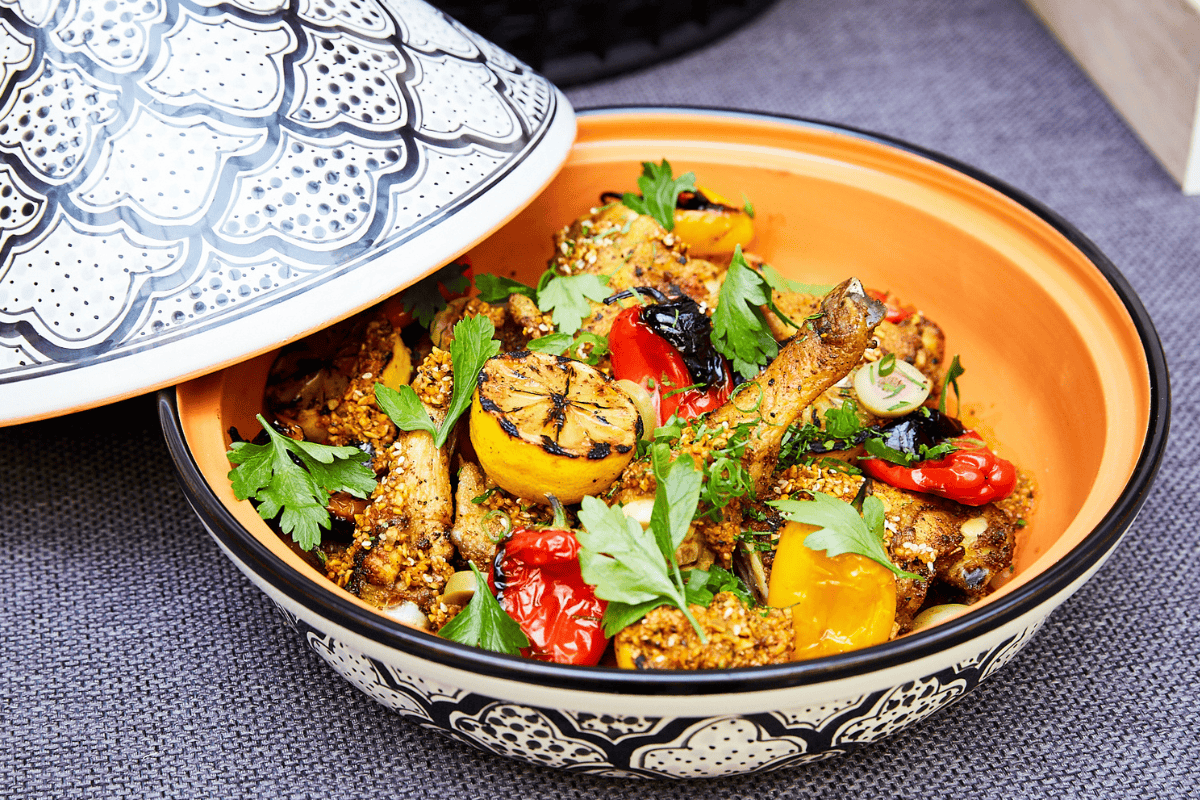
Season is half of the equation. The other half is where guests are sitting when the food arrives. The same dish can feel perfect in one setting and awkward in another.
Estate Lawns and Tented Receptions
Most large Hamptons celebrations happen under a tent or on open grounds. This changes everything from plating to timing. Wind, humidity, and temperature all affect how food holds up, so menus are tested against the conditions. Dishes are chosen for resilience, and service teams are timed so every course reaches the table at its best.
Oceanfront and Garden Settings
Waterfront and garden venues invite a more relaxed pace and more interactive formats. Raw bars, chef-attended displays, and passed bites that move with the guests suit these spaces beautifully. Cloud Catering’s interactive food stations are a natural way to bring that kind of energy to a large outdoor evening.
Barns, Farms, and Open Fields
Rustic settings call for a different kind of polish. Here, the menu can lean into farm-style abundance, with generous shared platters and wood-fired flavors, while the service stays refined. The contrast between a relaxed setting and precise execution is what makes these events feel luxurious rather than casual.
How Do Season and Setting Work Together?
The most effective way to plan luxury Hamptons catering is to treat season and setting as two halves of one decision. The table below shows how they combine for large celebrations.
| Season | Menu Direction | Best-Fit Setting | Service Focus |
|---|---|---|---|
| Spring | Tender greens, delicate flavors, lighter proteins | Garden estates, tented lawns | Warm layers, weather backup |
| Summer | Peak produce, chilled courses, shellfish, lean proteins | Oceanfront lawns, large tents | Heat management, fast plating |
| Fall | Roasted vegetables, richer sauces, warming spices | Farms, barns, estate grounds | Evening light, cooler air |
| Winter | Slow-cooked comfort courses, warm beverages | Heated tents, private residences | Heating, candlelit pacing |
What Logistics Make or Break Luxury Hamptons Catering?
Even the most beautiful luxury Hamptons catering menu fails if the logistics are weak. Luxury Hamptons catering depends on planning that happens months before the event.
Travel and timing come first. Moving a full kitchen, staff, and equipment from New York to the East End requires careful scheduling, particularly in summer when roads are busy. Teams arrive early, build the kitchen on site, and plan for backup equipment.
Weather is the second factor. Wind, humidity, and sudden rain are part of Hamptons life, so strong plans include tent contingencies, protected prep areas, and menu choices that hold up in changing conditions.
Staffing is the third. Large weddings and corporate events need service ratios that match the guest count and the pace of the menu, and the team must be briefed on the setting so every course moves smoothly through an unfamiliar space.
Why Does Culinary Craft Matter So Much Here?
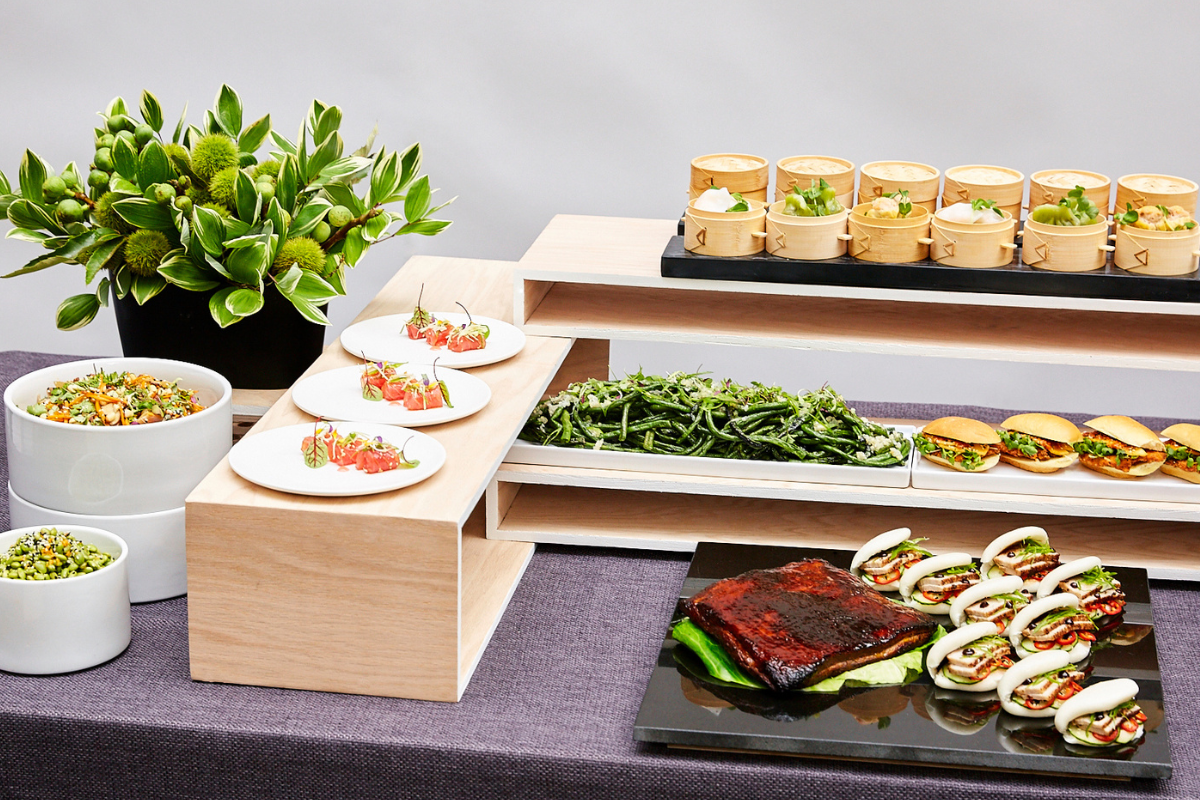
When the setting is spectacular, the food has to rise to meet it. Guests in the Hamptons are well-traveled, and they notice technique, balance, and care. Luxury Hamptons catering that follows the season still has to be executed with precision.
Cloud Catering’s team brings fine dining training from respected kitchens around the world, and you can see how that shows up on the plate on the Our Craft page. That depth is what allows a seasonal menu to feel inventive and composed instead of simply fresh.
How Should You Start Planning a Luxury Hamptons Event?
Begin planning luxury Hamptons catering with the date and the setting, because they decide almost everything else. Once those are set, build the menu around what the season offers, then shape the service format around the space. Bring your caterer in early so the kitchen plan, tent layout, and timeline are designed together.
If you are planning a luxury Hamptons wedding, a corporate retreat, or a milestone celebration and want a menu that belongs to its moment, contact the Cloud Catering team to begin the conversation.
Frequently Asked Questions
What is luxury Hamptons catering?
Luxury Hamptons catering is a full-service approach to large weddings and corporate events on the East End, combining seasonal menus, refined service, and on-site kitchen logistics. The food is designed around the time of year and the estate, lawn, or waterfront where guests gather.
When should you book luxury Hamptons catering?
Book as early as possible, ideally six to twelve months ahead for summer weekends. Early booking secures your date, allows time for menu planning around the season, and gives your caterer room to coordinate tents, kitchen setup, and travel logistics.
How does the season affect a Hamptons catering menu?
Season decides which ingredients are at their best and how guests want to eat. Summer favors light, chilled, produce-forward courses, while spring and fall allow richer layers. Winter leans toward warm, comforting dishes suited to heated tents and candlelit rooms.
Can large events be catered on private estates in the Hamptons?
Yes. Many large celebrations happen on private estates and open grounds. The catering team builds a temporary kitchen on site, plans for power, water, and weather, and staffs the event to match the guest count, so service feels as polished as it would in a permanent venue.
How do you keep food at its best during an outdoor event?
Choose dishes that hold up to heat, wind, and humidity, and time each course so it reaches the table at its peak. Protected prep areas, backup equipment, and well-rehearsed service teams help every plate arrive looking and tasting exactly as planned.