
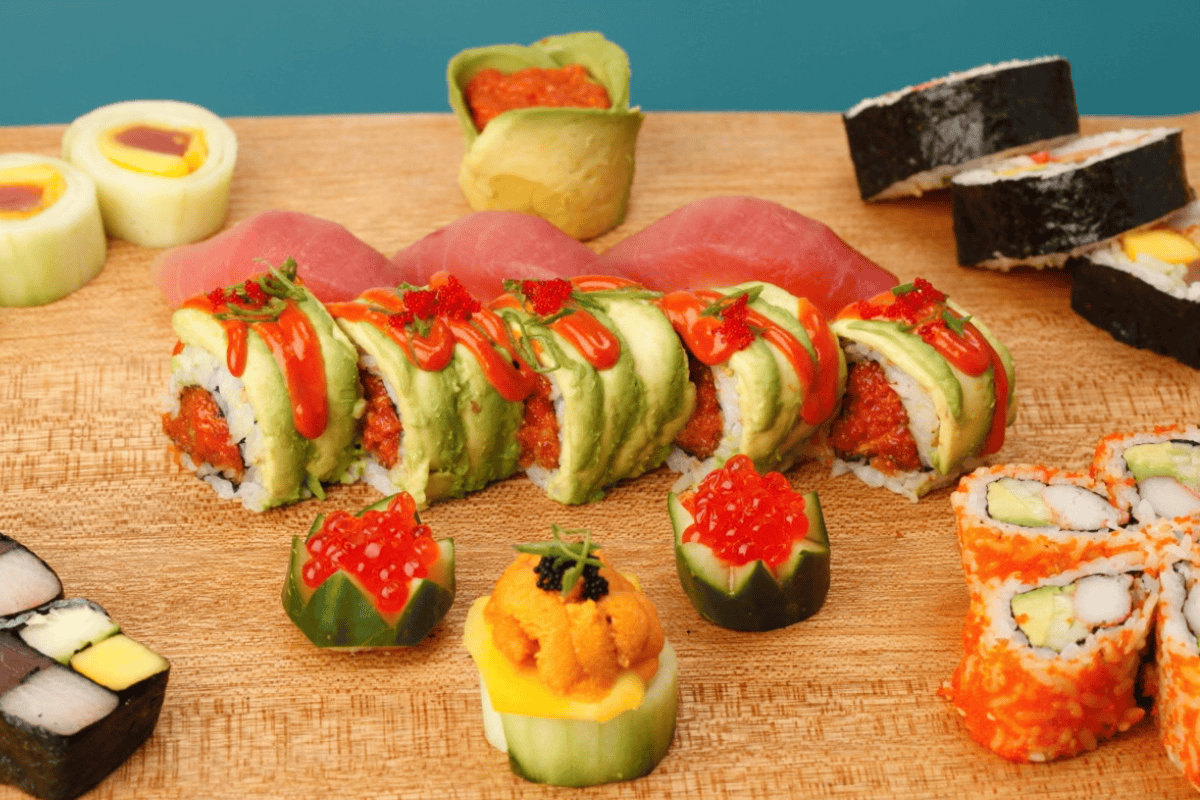
Quick Answer: Brands plan an immersive dining experience in NYC by starting with a single story, then building the venue, menu, design, and service around it. The strongest events pair a distinctive space with a menu that unfolds in chapters and a staff trained to move quietly through every moment, so guests feel part of the story instead of watching it.
An immersive dining experience begins with one clear story that every course, detail, and service moment supports.
The right NYC venue, thoughtful design, and a menu that unfolds in chapters turn a dinner into a brand memory.
Tight service choreography and a considered finish are what keep guests talking long after the last course.
What Makes an Immersive Dining Experience in NYC Different From a Standard Dinner?
A standard dinner feeds guests. An immersive dining experience surrounds them. Every element, from the first scent in the room to the final bite, is designed to carry one idea, so guests feel placed inside a story rather than seated in front of one.
For brands, that difference matters. A product launch, a client appreciation evening, or a leadership summit dinner competes with a very full New York calendar. Guests attend dozens of events a season, and the ones they remember are the ones that made them feel something specific. An immersive dining experience gives your brand a setting where it can be felt instead of explained.
This is also why experiential dining NYC planners lean on food so heavily. Taste, aroma, and texture are the most direct senses we have, and they fix memories in place far better than a slide deck or a speech ever could.
How Do Brands Start Planning an Immersive Dining Experience?
The planning begins long before a menu is written. Strong events start with three questions: what do we want guests to feel, what do we want them to remember, and what do we want them to do afterward?
Choose One Story and Protect It
The most memorable immersive dining experience designs have a single narrative thread. It might be the origin of a company, the season a product was inspired by, or the city itself. The story does not need to be literal. It simply needs to be consistent, so that the room, the plates, the music, and the staff all feel like parts of the same world.
Brands often lose the thread when too many ideas compete. A dinner that tries to say five things says nothing. Choosing one story, and editing everything else around it, is the discipline that separates a polished evening from a busy one.
Know Who Is in the Room
An immersive dining experience for two hundred investors and one for four hundred global clients call for different pacing, different formality, and different levels of interaction. Planners study the guest list first: who knows each other, who is meeting for the first time, and who the brand most wants to impress. That insight shapes the seating plan, the menu style, and how much of the evening is guided versus open.
Which NYC Venues Work Best for an Immersive Dining Experience?
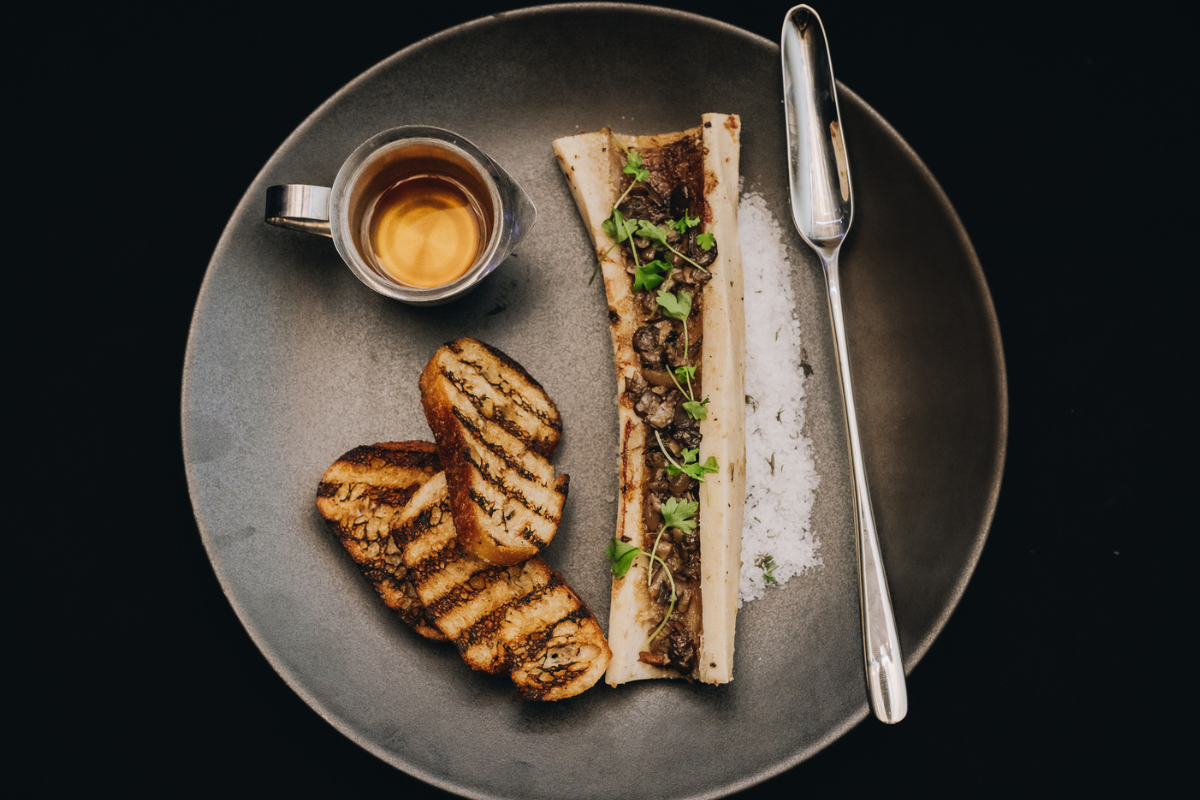
New York offers an unusual range of settings, and the venue often becomes the first chapter of the story. A converted industrial space, a glass-walled rooftop, a historic hall, and a gallery all tell very different stories before a single course is served.
Brands planning an immersive dining experience in NYC usually weigh three things when choosing a space. First, how well it matches the story, since a raw, brick-walled loft suggests craft and a refined ballroom suggests ceremony.
Second, how flexible it is, because the more freely a room can be reshaped with lighting, drape, and layout, the more fully it can be transformed. Third, how the kitchen and service access work, since a beautiful room with a difficult load-in can strain the entire evening.
Cloud Catering works across a wide range of New York spaces, and the team can help brands match a venue to the experience they want to create. You can explore the possibilities on the Cloud Catering venues page.
How Does the Menu Become Part of the Story?
In an immersive dining experience, the menu is not a list of dishes. It is the plot. Each course is a chapter, and the order matters as much as the ingredients.
Build the Menu in Chapters
A well-paced menu for an immersive dining experience has a clear arc. It opens with something light and intriguing that sets the tone, builds through richer and more layered courses, and resolves with a finish that feels like an ending rather than just dessert. Guests should sense progression, so they stay curious about what arrives next.
Brands can also tie individual dishes to their narrative. A company with a coastal heritage might open with a chilled shellfish course. A brand celebrating a new season might build its menu around peak ingredients from regional growers. The connection does not need explanation on the table. Guests feel it, and the story gets told through flavor.
Mix Formats to Keep Energy Alive
Not every moment needs to be seated. Many of the best brand events move guests through different formats across the night, beginning with passed bites during arrival, shifting to a seated course or two, and opening into interactive spaces later.
Chef-attended stations, in particular, give guests something to watch and engage with, which adds movement and conversation to the room. Cloud Catering’s interactive food stations are a natural fit for brands that want the kitchen to become part of the show.
How Do Design, Lighting, and Sound Shape the Mood?
A menu can only do so much on its own in an immersive dining experience. The rest of the experience comes from the atmosphere around it, and brands that treat design as an afterthought usually feel the gap.
Lighting sets the emotional temperature. Warm, low light slows a room down and invites conversation, while brighter, cooler light adds energy and works well for launch moments. Many planners layer both, shifting the light as the evening moves from arrival to dinner to celebration.
Sound matters just as much. Background music should support conversation without competing with it, and any speeches or presentations need to land cleanly. Scent, tabletop design, and floral choices complete the picture. When each of these elements points toward the same story, guests do not notice any single detail. They simply feel that the whole evening is coherent, which is exactly the goal.
What Are the Core Elements of an Immersive Dining Experience?
The table below breaks down the main elements brands plan for, the decision behind each one, and what guests should feel as a result.
| Element | Key Planning Decision | What Guests Feel |
|---|---|---|
| Story | One narrative thread tied to the brand | Purpose and connection |
| Venue | A space that matches the story and can be reshaped | Arrival and anticipation |
| Menu | Courses paced as chapters with a clear arc | Curiosity and delight |
| Design | Lighting, tabletop, florals, and scent aligned | Atmosphere and cohesion |
| Service | Choreographed timing and staffing ratios | Ease and attention |
| Finish | A closing moment and a keepsake | Lasting memory |
How Does Service Choreography Keep the Experience Seamless?
Guests rarely notice great service, and that is the point. In an immersive dining experience, service is the invisible structure holding the story together. Courses must arrive in step with the program, plates must clear quietly, and no one should ever feel the machinery behind the evening.
This takes real planning. Staffing ratios are set according to the room layout and the pace of the menu, and service teams rehearse the flow so that every table is served at the same moment. When a speech, a reveal, or a toast is scheduled, the kitchen and the floor staff are timed around it, so nothing interrupts the moment guests came for.
It also takes culinary depth behind the scenes. Cloud Catering’s team brings training from some of the most respected kitchens in the world, and you can learn more about how the team works on the Our Approach page. That level of preparation is what lets complex, multi-format events run with calm.
How Do Brands Make the Evening Last Beyond the Last Course?
A memorable immersive dining experience does not end when the final plate is cleared. The most effective brands plan the closing moments with the same care as the opening.
A thoughtful finish might be a late-night bite that surprises guests as they gather their coats, a signature sweet they can take home, or a handwritten menu card that captures the evening. These details give guests something tangible, and they give the brand a reason to be remembered the next morning.
Sensory memory does much of the work here. A guest may forget the speaker’s name but remember the taste of the dish served during the toast. By tying a final flavor to the brand story, planners give guests a memory that returns every time that taste appears again.
Follow-up matters too after an immersive dining experience. Sharing a few photographs, a note of thanks, or a copy of the menu within a day or two keeps the experience alive and turns a single evening into a relationship.
Why Does Working With an Experienced NYC Caterer Matter?
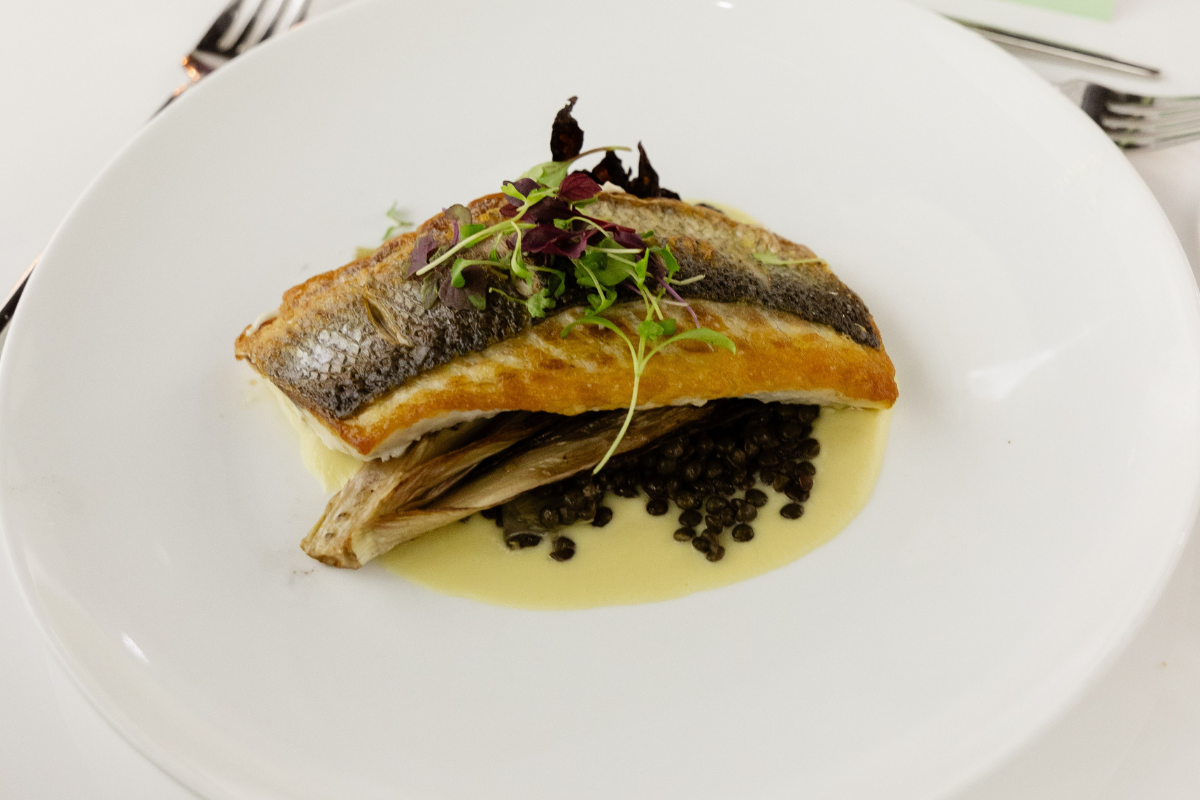
An immersive dining experience asks a lot of the people behind it. The menu, the venue logistics, the design coordination, and the service flow all have to align, and in New York the details are rarely simple. Load-in windows, building rules, and tight timelines are part of every large event.
An experienced catering partner brings order to that complexity. The right team will listen to the story first, then shape the menu and service around it, rather than offering a fixed package. If you are planning a brand dinner, a launch, or a milestone celebration and want it to be remembered, reach out to the Cloud Catering team to start the conversation.
Frequently Asked Questions
What is an immersive dining experience?
An immersive dining experience is a meal designed around a single story, where the venue, menu, lighting, sound, and service all work together. Guests feel placed inside a narrative instead of simply attending a dinner, which makes the event far more memorable and emotionally engaging.
How far in advance should a brand plan an immersive dining experience in NYC?
Most brands begin planning three to six months. That window allows time to secure a strong venue, develop a menu around the story, coordinate design, and rehearse service. Larger events with custom builds or multiple formats benefit from starting even earlier.
What type of venue works best for an immersive dining experience?
The best venue matches your story and can be reshaped. Lofts, galleries, historic halls, and rooftops all work well when lighting and layout can be customized. Equally important are kitchen access, load-in conditions, and enough space for the guest count.
How can a menu support a brand story?
A menu supports the story when each course acts like a chapter. Dishes can reflect a company’s heritage, a product’s inspiration, or a seasonal theme, with pacing that builds from light openers to a memorable finish. Guests feel the connection through flavor.
How do you keep guests engaged throughout a long dinner?
Vary the formats and the pacing. Passed bites at arrival, a seated course, interactive stations, and a surprise closing moment keep energy moving. Short program moments, timed carefully around service, give guests something fresh to look forward to throughout the evening.