
What Makes Sushi Catering a Standout Choice for NYC Galas
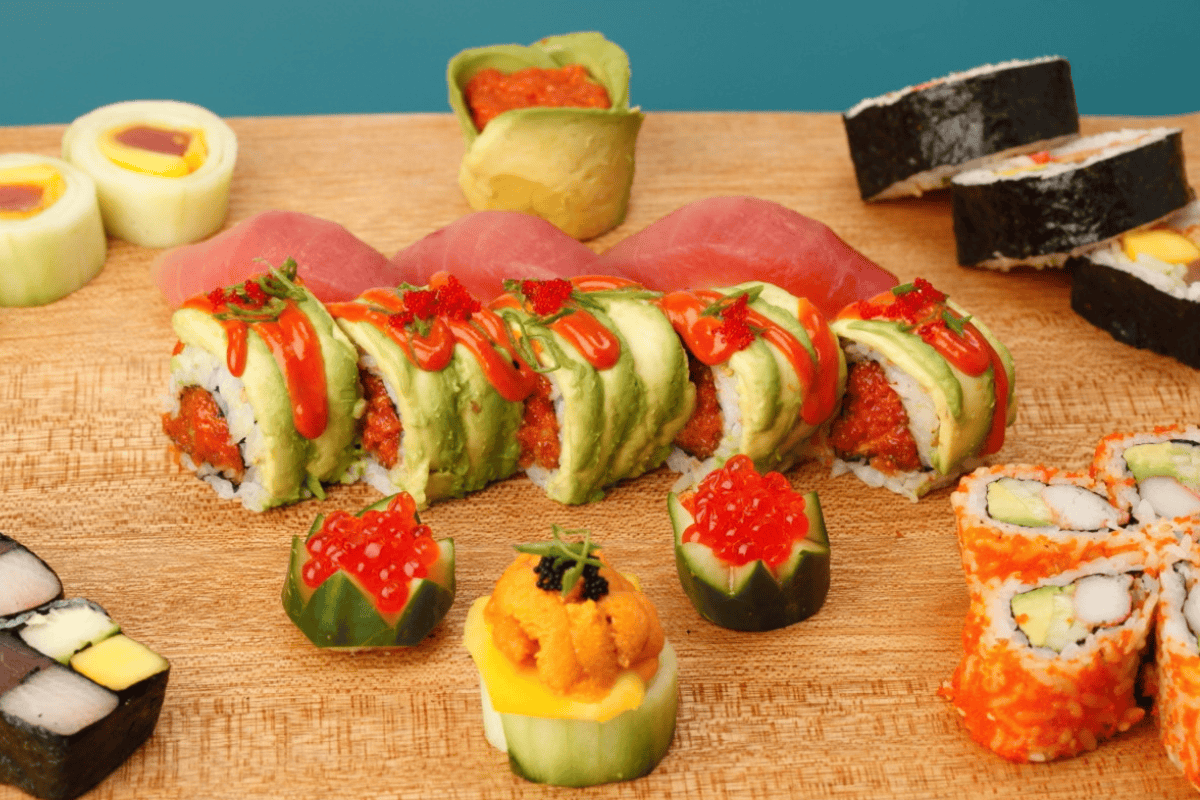
Quick Answer: Sushi catering NYC stands out at galas because it pairs visual precision with a lighter, more elegant alternative to heavier passed bites, and it scales into interactive moments like a chef-attended nigiri bar or an omakase-style tasting station. Done well, sushi catering NYC signals the same craft and sourcing discipline that defines the rest of a formal gala menu, from sustainably sourced fish to plating that photographs beautifully under gala lighting.
Sushi catering NYC teams bring a level of precision and visual polish that fits the formality of a gala, from color-balanced platters to chef-attended nigiri bars.
Sushi catering NYC works especially well during cocktail hour and reception, offering guests something lighter and more elegant than a heavy passed hors d'oeuvre.
Sourcing and food safety at scale are the real differentiators between sushi catering NYC teams that do it well and a station that treats it as a novelty.
Why Sushi Catering Fits the Formality of a Gala
A gala menu has to do two things at once. It has to feed a large room efficiently, and it has to look like it belongs in the room. Sushi catering NYC teams solve both problems at once, because sushi is inherently precise. Nigiri, rolls, and sashimi are portioned, plated, and finished with the kind of visual discipline that a formal gala audience already expects from the room's florals, lighting, and table settings.
This is part of why sushi catering NYC has become a favored addition to cocktail hour and reception service specifically. Guests moving through a step and repeat, a silent auction display, or a donor reception want something they can eat standing up, in one or two bites, without committing to a full plate before dinner service even starts.
A well-built sushi catering NYC station gives them that, while still reading as an elevated, considered choice rather than a filler course.
Where Sushi Belongs in the Gala Program
Sushi catering NYC rarely works as the entire meal at a formal gala. It works best woven into specific moments in the program. During cocktail hour, a passed tray of nigiri or a small composed roll gives guests an elegant first bite while they circulate and greet each other before being seated.
A chef-attended sushi station, positioned near the bar or along a reception wall, adds a live culinary moment that draws guests in the same way a raw bar or a carving station would, without competing with either.
For a seated dinner, sushi catering NYC teams often build a composed first course, a small sashimi or nigiri plate that sets an elegant, restrained tone before a heavier main course. Some galas build an entire tasting menu around an omakase-style progression, particularly for smaller VIP tables or a donor reception preceding the larger event.
In every format, timing still matters. A sushi course has to be plated and served quickly once it leaves the kitchen, so sushi catering NYC teams build their staffing and prep schedule around that constraint rather than treating it like a standard passed hors d'oeuvre.
Sourcing and Food Safety Are the Real Differentiators
Anyone can put a sushi station on a gala menu. What separates strong sushi catering NYC teams from a novelty booth is sourcing and handling.
Sushi-grade fish has to be sourced from suppliers who can document proper handling and cold chain control from dock to kitchen, and a caterer serving raw fish to hundreds of guests needs a food safety program built specifically around that risk, not just a general catering protocol applied loosely to a new ingredient.
This is also where sushi catering NYC earns its premium positioning at a gala. Tuna, salmon, yellowtail, and specialty items like uni or hamachi all carry different sourcing and seasonality considerations, and a caterer who can speak to where the fish came from and how it was handled gives event planners and donors a level of confidence that matters when reputation, not just taste, is on the line.
Cooked and vegetable-forward options, a shrimp tempura roll, a vegetable maki, or a torched option, also belong on the menu so guests who prefer not to eat raw fish are never left without an elegant choice.
Building the Sushi Component of a Gala Menu
Strong sushi catering NYC menus for a gala usually balance three categories. Classic nigiri- tuna, salmon, yellowtail, and a seared or torched option- gives guests something familiar and easy to eat in one bite.
Specialty rolls, built around a signature combination the caterer designs for the event, give the sushi component its own identity rather than reading as a generic add on. A small sashimi or crudo course, often finished with a citrus or yuzu accent, rounds out the offering for guests who want something lighter.
Presentation carries as much weight as the food itself. Sushi catering NYC is typically plated on dark slate, mirrored trays, or minimal white platters that let the color of the fish and garnish do the work, rather than busy platters that compete with the room's design. Wasabi, pickled ginger, and soy sauce should be portioned and presented cleanly, never left in bulk squeeze bottles at a formal event.
| Gala Moment | Sushi Catering Format | Why It Works |
|---|---|---|
| Cocktail Hour | Passed nigiri and small composed rolls | Light, one bite, easy to eat while circulating |
| Reception | Chef attended sushi station | Live culinary moment near the bar or auction display |
| Seated Dinner | Composed sashimi or nigiri first course | Elegant, restrained opening before a heavier main |
| VIP Donor Table | Omakase style tasting progression | Signals exclusivity for a smaller, high value group |
Pairing and Details That Elevate the Course
Sushi catering NYC pairs naturally with sake service, a curated selection offered alongside or instead of wine during the sushi course, which adds another layer of intention to the menu without requiring a full separate bar setup.
A crisp white wine, a dry rosé, or a light Japanese beer also works well alongside nigiri and rolls, especially during cocktail hour when guests are moving between stations rather than seated with a single pairing.
Staffing is another detail that separates a smooth execution from a chaotic one. Sushi catering NYC teams need enough trained sushi chefs on site to keep a station moving without a long line forming, since a stalled station during a formal event reads poorly no matter how good the food is once guests finally reach it.
Caterers experienced with galas typically staff sushi stations at a higher chef-to-guest ratio than a standard hors d'oeuvre station, precisely because the plating happens live and cannot be pre-batched the way a passed tray can.
Bringing It Together
Sushi catering NYC stands out at galas because it solves a real problem, giving guests something light, precise, and visually aligned with a formal room, while still requiring the same sourcing discipline and staffing rigor that defines every other part of a well-run gala.
Sushi catering NYC is not a novelty add-on when it is done with real sourcing standards and enough staff to execute it properly. It becomes one of the moments guests remember most from the evening.
Frequently Asked Questions
Is sushi catering appropriate for a formal gala?
Yes. When plated with the same visual discipline as the rest of the event and staffed with trained sushi chefs, sushi catering NYC reads as elevated and considered, particularly during cocktail hour or as a composed first course.
Should sushi be a full meal at a gala or just one course?
Most galas use sushi catering NYC as a cocktail hour or first course element rather than the entire meal, reserving a full omakase-style progression for smaller VIP or donor tables.
How do caterers keep sushi safe at gala scale?
Through documented cold chain sourcing, sushi-grade fish suppliers, and a food safety program built specifically around raw fish handling, not a general catering protocol applied loosely to a new ingredient.
What should be offered for guests who do not eat raw fish?
Offer cooked, vegetable-forward options, a shrimp tempura roll, a vegetable maki, or a torched nigiri option, so every guest has an elegant choice regardless of preference.
What pairs well with a sushi course at a gala?
Sake is a natural pairing, along with crisp white wine, dry rosé, or light Japanese beer, especially during cocktail hour when guests move between stations.