
What to Expect From Hors d'Oeuvres Catering at Your Next NYC Event
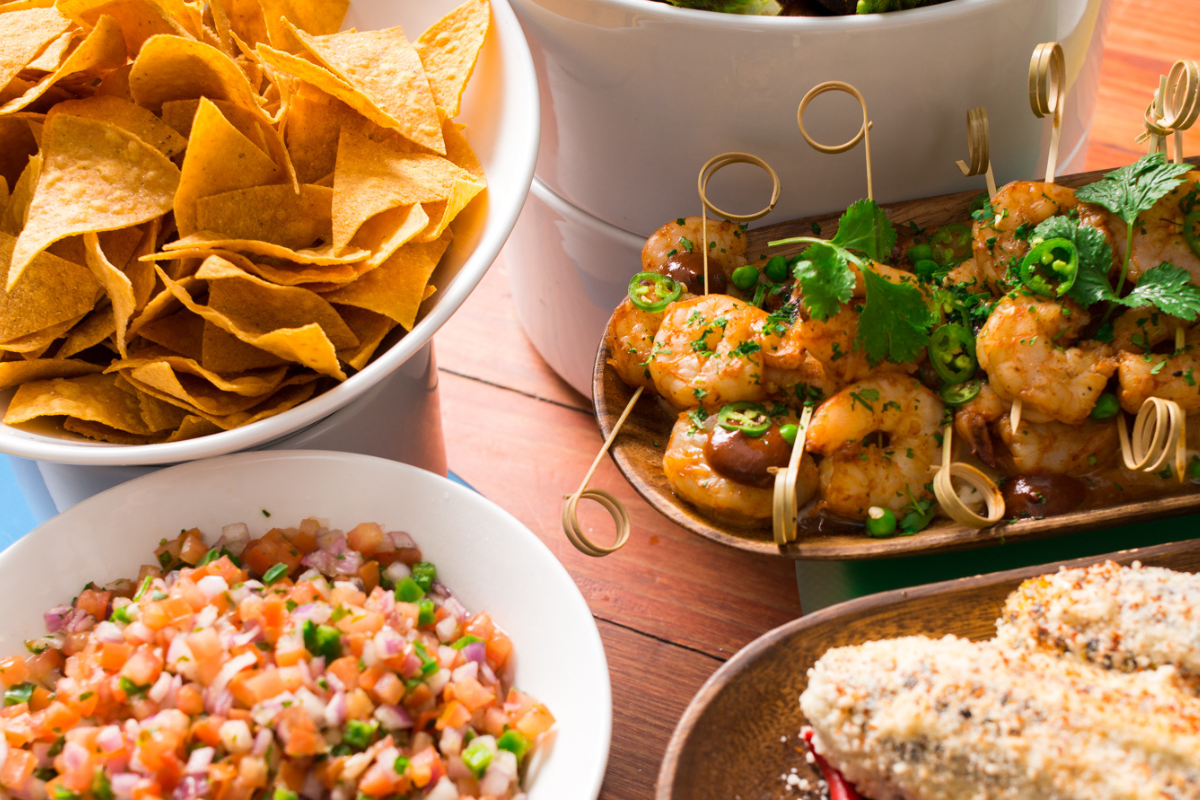
Quick answer: Hors d'oeuvres catering in NYC for corporate events and luxury weddings typically means a curated selection of passed and stationed bites served during a cocktail hour or reception, designed to reflect the menu that follows, accommodate guest counts in the hundreds, and keep the room moving without long lines or lulls. Expect seasonal ingredients, thoughtful pacing, and a service team trained to work a room at scale.
Hors d'oeuvres catering in NYC sets the tone for a large-scale event before the main experience even begins, so pacing, presentation, and variety matter as much as flavor.
A strong reception program blends passed service with a few stationed or display moments, giving guests both convenience and something to linger over.
The right hors d'oeuvres catering NYC partner builds the menu around your guest count, venue, and the arc of the evening rather than a generic list of bites.
Why Hors d'Oeuvres Catering Sets the Tone for a Large-Scale NYC Event
The first bite a guest takes at a corporate gala, product launch, or wedding reception does more work than most hosts realize. Before the seated dinner, before the speeches, before the first dance, hors d'oeuvres catering in NYC is what shapes a guest's very first impression of the evening.
For events with hundreds of attendees, that first impression has to hold up under real logistical pressure: crowded rooms, tight timelines, and guests who are meeting, mingling, and moving.
Hors d'oeuvres catering NYC done well feels effortless from the guest side. Trays circulate at a natural pace, flavors build anticipation for the meal to come, and nothing feels rushed or repetitive. On the operations side, that ease is the result of careful planning around headcount, venue flow, and timing, not improvisation.
For organizations planning a corporate event or couples planning a luxury wedding, understanding what actually goes into a strong hors d'oeuvres program helps set realistic expectations and ask sharper questions during the planning process.
What Sets NYC Hors d'Oeuvres Catering Apart at Scale
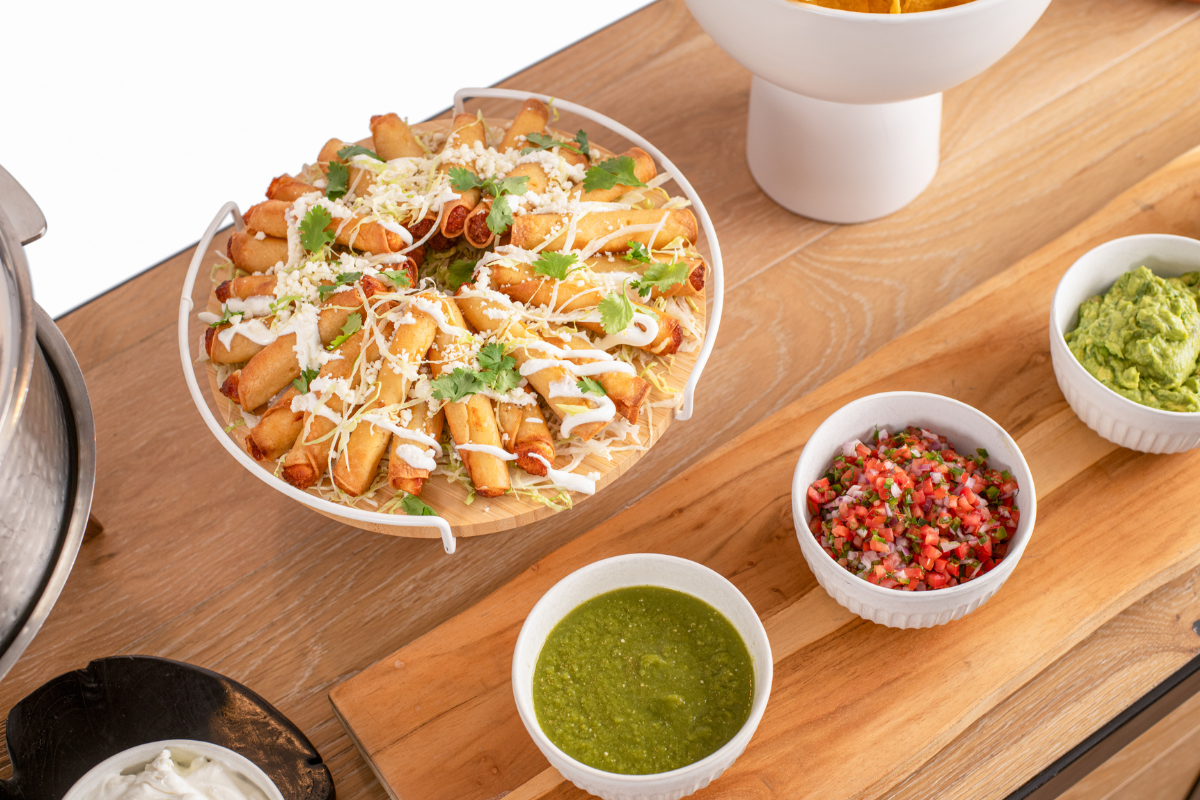
Large-scale hors d'oeuvres catering is a different discipline from a small dinner party's appetizer tray. At a few hundred guests, a caterer has to solve for even distribution, consistent temperature, and visual presentation across every corner of the room at once.
A few things distinguish hors d'oeuvres catering NYC teams built for this scale.
Menu architecture, not a menu list. Rather than choosing six or eight items at random, an experienced culinary team designs a progression. Lighter, brighter bites open the hour. Richer, heartier bites appear as the reception builds. This keeps guests eating and engaged for the full window rather than losing interest halfway through.
Kitchen infrastructure built for volume. Passed hors d'oeuvres for NYC events often need to be finished, plated, or assembled on-site in nontraditional venues, from historic buildings to industrial lofts to rooftop spaces. That requires mobile kitchen setups, precise prep schedules, and a culinary team that has done this specific choreography before.
A service team that reads the room. Passing trays for 300 guests is a skill. Staff needs to move with intention, offer without hovering, and keep pace with how quickly a room is emptying platters. This is where hospitality training, not just culinary skill, makes the difference between a reception that feels warm and one that feels chaotic.
How Passed and Stationed Service Work Together
Most strong receptions for corporate events and weddings alike use a blend of two formats rather than relying on just one.
Passed hors d'oeuvres keep the energy moving. Servers circulate with trays, guests can keep talking and networking without leaving a conversation, and there is a natural sense of abundance as new bites keep appearing. This format works especially well for the opening thirty to forty-five minutes of a cocktail hour, when guests are arriving in waves and mingling is the priority.
Stationed or displayed hors d'oeuvres give guests a reason to pause, browse, and interact with the food itself. A raw bar, a carving station, or a curated display allows for a bit more variety and a moment of visual impact, which matters at galas, product launches, and receptions where the room itself is part of the presentation.
The strongest hors d'oeuvres catering NYC programs treat these as complementary rather than competing choices, building a reception that has both constant movement and a few anchor moments guests remember.
Building a Menu That Reflects Your Event and Season
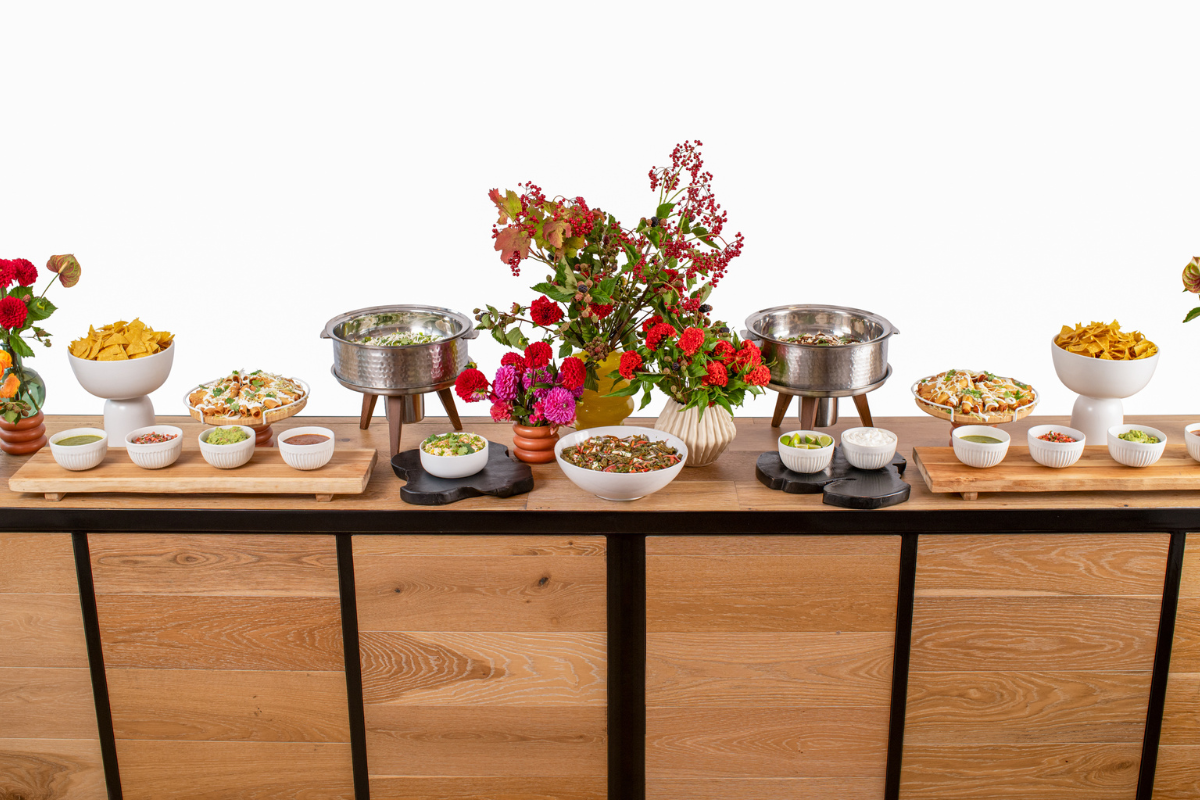
A generic hors d'oeuvres list rarely feels intentional. The menus that stand out are built around three things: the season, the occasion, and the meal that follows.
Seasonal ingredients keep a menu feeling fresh rather than templated. A fall reception might lean into smoked meats, root vegetables, and warm spice, while a spring or summer event calls for brighter, more citrus-forward bites. This is also where a culinary team's range shows, pulling in global influences and modern technique without losing an elegant, cohesive feel.
The occasion matters just as much. A corporate product launch might call for a more polished, brand-forward presentation, while a luxury wedding reception often leans into richer, more indulgent bites that build anticipation for a seated dinner. Hors d'oeuvres catering should never feel disconnected from what comes next on the menu. It should read as the opening chapter, not a separate meal entirely.
Staffing and Timing for a Seamless Reception
Guest experience during a cocktail hour comes down to timing as much as taste. A reception that runs forty-five minutes needs a very different service plan than one built to hold a room for ninety minutes before a seated dinner.
There are a few essentials worth confirming with any hors d'oeuvres catering NYC partner before your event.
Confirm the staff-to-guest ratio for passed service, since understaffing is the most common cause of long waits and empty trays at large events.
Ask how the menu sequencing is planned across the full reception window, not just which items are being served.
Review how stationed elements will be replenished and maintained visually throughout the event, especially at longer receptions.
Clarify how dietary accommodations, including gluten-free and allergy-friendly requests, are handled within the passed and stationed program.
Getting clear answers here before the event, not during it, is what separates a reception that feels effortless from one that feels understaffed.
| Service Style | Best For | Guest Experience | Staffing Consideration |
|---|---|---|---|
| Passed Hors d'Oeuvres | Cocktail hours, networking-heavy corporate events | Continuous, low effort, keeps mingling going | Higher server-to-guest ratio |
| Stationed or Display | Galas, product launches, longer receptions | Interactive, visual, encourages guests to pause | Fewer servers, more attendants for upkeep |
| Blended Program | Weddings, multi-hour corporate receptions | Balanced pacing with anchor moments | Coordinated team across both formats |
What This Means for Corporate Events and Luxury Weddings in NYC
For corporate black-tie catering event hosts, hors d'oeuvres catering is often the first real signal to clients, partners, or employees about the caliber of the event. A polished, well-paced reception communicates the same attention to detail that will show up later in the program, whether that is a product reveal, a gala, or an executive gathering.
For couples planning a luxury wedding, the cocktail hour is frequently the only part of the day where guests can relax, mingle, and experience the celebration at their own pace before a more structured seated dinner. Hors d'oeuvres catering NYC that is thoughtfully built gives that hour real personality, whether through a raw bar, a global-inspired menu, or a display that reflects the couple's story.
In both cases, the goal is the same: a reception that feels generous, well-timed, and true to the event it is opening.
Frequently Asked Questions
How many hors d'oeuvres pieces should be planned per guest?
For a cocktail hour of forty-five minutes to an hour, most large-scale events plan for six to eight pieces per guest, adjusted based on whether a seated dinner follows.
Can hors d'oeuvres catering accommodate dietary restrictions at a large event?
Yes, a well-planned menu builds in gluten-free, vegetarian, and allergy-friendly options from the start rather than treating them as an afterthought, especially important at corporate events with diverse guest lists.
Should hors d'oeuvres reflect the rest of the menu?
Ideally, yes. The strongest programs treat passed and stationed bites as an introduction to the flavors and style of the meal that follows, rather than a separate menu entirely.
How far in advance should hors d'oeuvres catering be planned for a large NYC event?
For events with more than a couple hundred guests, planning three to six months allows enough time for tastings, menu adjustments, and staffing coordination.
What is the difference between passed and stationed hors d'oeuvres?
Passed hors d'oeuvres are served by circulating staff and keep guests moving and mingling, while stationed or display hors d'oeuvres are set in one area and encourage guests to pause, browse, and interact with the presentation.