
What Drives The Cost of Wedding Catering in NYC: A Planning Guide
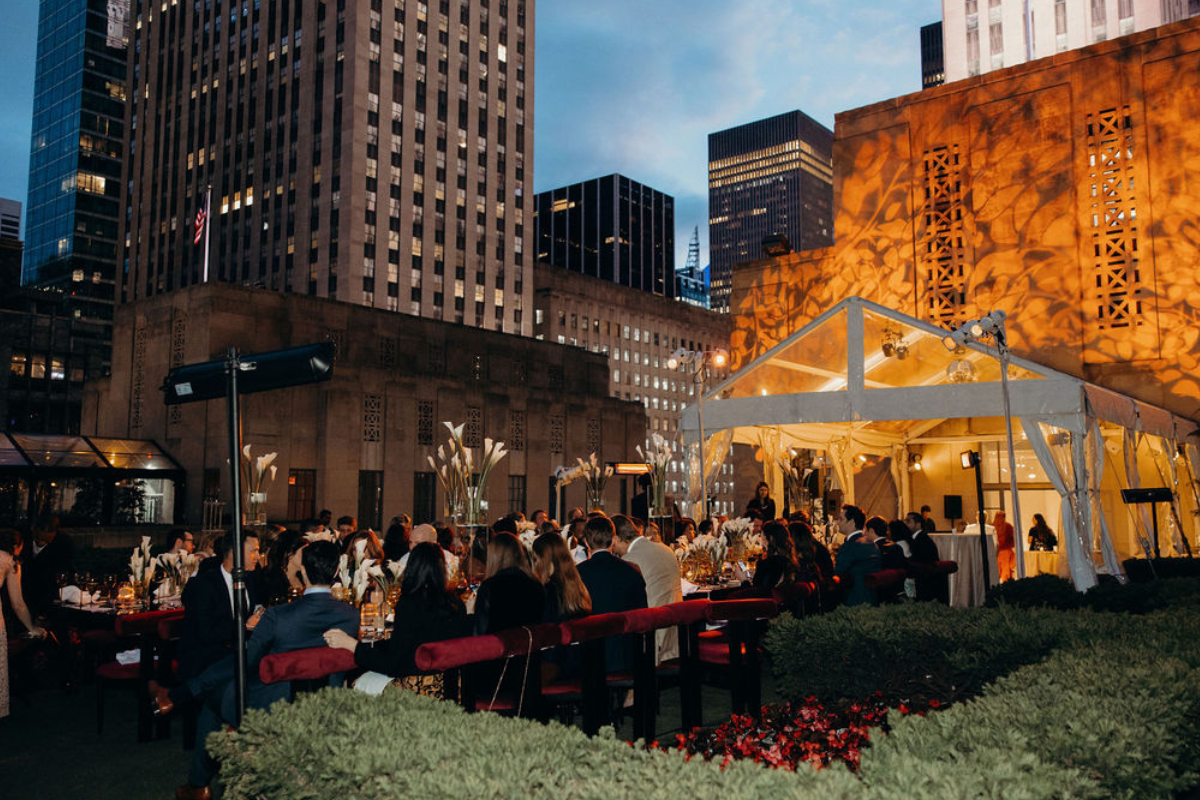
Quick answer: Wedding catering cost in NYC depends primarily on guest count, service style (plated, family style, or stationed), venue logistics, and the bar and beverage program, rather than a single standard rate. Couples planning a luxury, large-scale wedding should expect pricing to reflect staffing ratios, menu complexity, and the level of design and presentation involved, with an accurate number only possible after a consultation on the specific event.
Wedding catering cost in NYC is shaped by guest count, service style, venue type, and the season, not a flat per-person rate.
The biggest cost drivers are staffing, menu complexity, and beverage service, all of which scale differently depending on how the reception is structured.
Understanding these factors before your first consultation helps you compare quotes accurately and plan a wedding catering budget that fits the celebration you actually want.
Why Wedding Catering Pricing Varies So Much in NYC
Few questions come up more often during early wedding planning than what catering will actually cost. It is also one of the hardest questions to answer with a single figure, because wedding catering cost in NYC is not a fixed number. It is the sum of several decisions that shape the entire guest experience.
For couples planning a large-scale luxury wedding, understanding what actually drives that number matters more than chasing a specific price point. Two receptions with the same guest count can land in very different places depending on service style, venue logistics, and how much of the evening is built around food and beverage as an experience.
This guide breaks down the real factors behind wedding catering pricing in NYC, so you can walk into a consultation asking sharper questions and comparing quotes on equal footing.
Guest Count Sets the Foundation, But Not the Whole Picture
Guest count is the first number every caterer needs, and it drives everything from kitchen staffing to rental quantities. A wedding for 150 guests requires a different production plan than one for 400, even before menu or service style enters the conversation.
That said, guest count alone does not determine cost. A smaller, highly detailed reception with elaborate stationed courses can cost more per guest than a larger event with a streamlined plated dinner. Caterers price around the full scope of production, not headcount in isolation.
Service Style Changes the Cost Structure
How food reaches your guests is one of the biggest variables in wedding catering pricing.
Plated service requires precise timing, a larger service staff working in coordinated waves, and kitchen output synchronized to the room. This level of choreography adds labor cost but delivers a formal, elevated guest experience.
Family style service shifts some labor toward the kitchen and table setup rather than individual course delivery, but it often requires more food volume per table to keep serving dishes full throughout the meal.
Stationed or buffet-style reception moments need fewer servers per guest but more culinary staff on-site to maintain presentation and replenish stations throughout the event.
Each style carries a different staffing ratio, and staffing is consistently one of the largest line items in any wedding catering quote.
Venue Type and Logistics Influence the Number
Where a wedding takes place has a direct effect on catering cost, often more than couples expect. A venue with a fully equipped kitchen requires far less setup than a raw industrial loft or an outdoor space that needs a full mobile kitchen brought in for the day.
Load-in access, elevator availability, generator needs, and how far the kitchen sits from the reception space all factor into staffing and equipment costs. Non-exclusive venues that allow outside catering give couples more flexibility, but they also require a caterer experienced in building a full working kitchen wherever the space allows.
Menu Complexity and Seasonal Ingredients
A wedding menu built around global influences, hard-to-source ingredients, or elaborate plating naturally costs more to execute than a simpler seasonal menu, regardless of guest count. Multiple courses, hors d'oeuvres variety during cocktail hour, and dessert presentation all add to the total.
Seasonality plays a role as well. Menus built around what is fresh and in season tend to offer better value without sacrificing quality, since ingredients are easier to source and at their best. A skilled culinary team can build a memorable, elevated menu at multiple price points by leaning into what is seasonally abundant rather than defaulting to the most expensive ingredients available.
Bar and Beverage Program
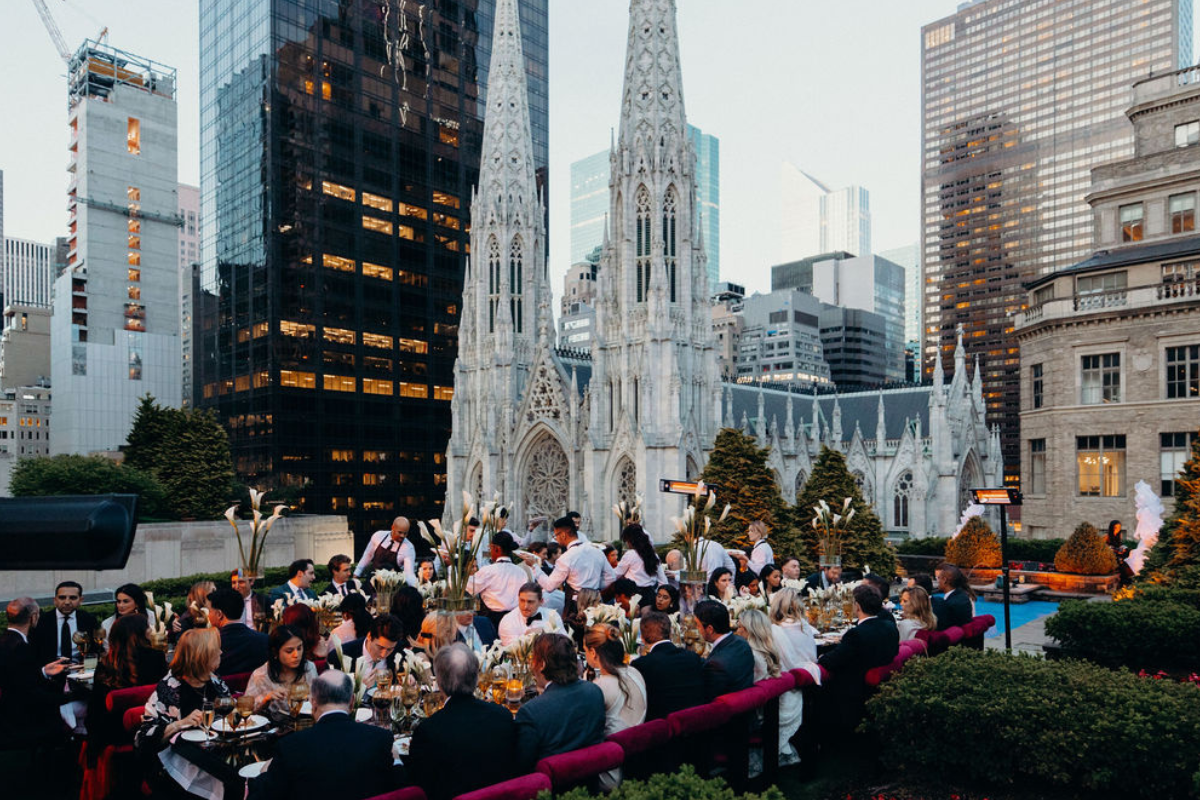
Beverage service is frequently underestimated in early wedding budgets. An open bar for several hours, a curated wine pairing with a plated dinner, or a specialty cocktail program all carry very different costs, and staffing for bar service scales alongside guest count just like food service does.
Couples planning a luxury wedding should treat the bar program as its own line item during planning conversations, not an afterthought layered on top of the food budget.
Design, Rentals, and the Full Production Picture
Wedding catering pricing in NYC often extends beyond food and beverage into the full production of the reception. Linens, tableware, glassware, and any custom design elements tied to the catering presentation typically factor into a comprehensive quote, especially at venues that do not provide their own equipment.
This is where working with a full-service catering and event design team makes a real difference. When culinary, service, and design work from the same plan, couples get one coordinated quote instead of piecing together estimates from multiple vendors.
What to Bring to Your First Catering Consultation
Getting an accurate quote starts with clear information. Before a consultation, it helps to have the following ready.
A realistic guest count range, even if the final number is not locked in yet.
A sense of preferred service style, such as plated, family style, or a stationed reception.
The venue, or at least the type of space, since kitchen access changes the production plan significantly.
Any known dietary needs across the guest list, so the menu can be built with those in mind from the start.
A general sense of the bar and beverage program you are envisioning for the celebration.
Walking in with these details allows a caterer to give a far more accurate estimate than a general per-person guess, and it makes it much easier to compare proposals from different vendors on equal terms.
| Cost Factor | What It Includes | Why It Moves the Number |
|---|---|---|
| Guest Count | Kitchen staffing, rental quantities, production scale | Sets the baseline scope of the event |
| Service Style | Plated, family style, or stationed reception | Changes staffing ratio and labor cost |
| Venue Logistics | Kitchen access, load-in, mobile kitchen needs | Affects equipment and setup costs |
| Menu Complexity | Courses, ingredient sourcing, plating detail | Drives culinary labor and ingredient cost |
| Bar Program | Open bar, wine pairing, specialty cocktails | Scales with hours and guest count |
| Design and Rentals | Linens, tableware, presentation elements | Adds to a fully coordinated production quote |
Getting a Wedding Catering Quote You Can Actually Compare
Because so many factors shape wedding catering costs in NYC, the most useful thing a couple can do is treat the first consultation as a planning conversation, not just a price request. A caterer who asks about your vision, guest experience, and venue before quoting is building a proposal around your actual wedding, not a generic template.
The goal of a strong wedding catering pricing conversation should be clarity, not just a number. When guest count, service style, venue, menu, and bar program are all accounted for from the start, couples can plan a wedding catering budget with confidence rather than facing surprises closer to the big day.
Frequently Asked Questions
What is the biggest factor in wedding catering cost?
Guest count sets the baseline, but service style and staffing ratios are typically the largest overall drivers of the final number.
Does plated service always cost more than buffet or stationed service?
Not always. Plated service usually requires more staff, but a highly detailed stationed reception with multiple elaborate courses can cost as much or more depending on menu complexity.
How early should couples get a wedding catering quote?
Most couples planning a large-scale luxury wedding start catering consultations six to twelve months out, which allows time for tastings and menu adjustments before finalizing a budget.
Does venue choice really affect catering pricing?
Yes. Venues without a working kitchen often require a mobile kitchen setup, which adds to staffing and equipment costs compared to a fully equipped venue.
Can a wedding catering budget include design and rentals, or is that separate?
It depends on the caterer. Full-service teams that handle both culinary and event design often build rentals and presentation elements into one coordinated quote rather than a separate vendor cost.