
Why Interactive Food Stations Are Redefining Corporate and Wedding Catering in NYC
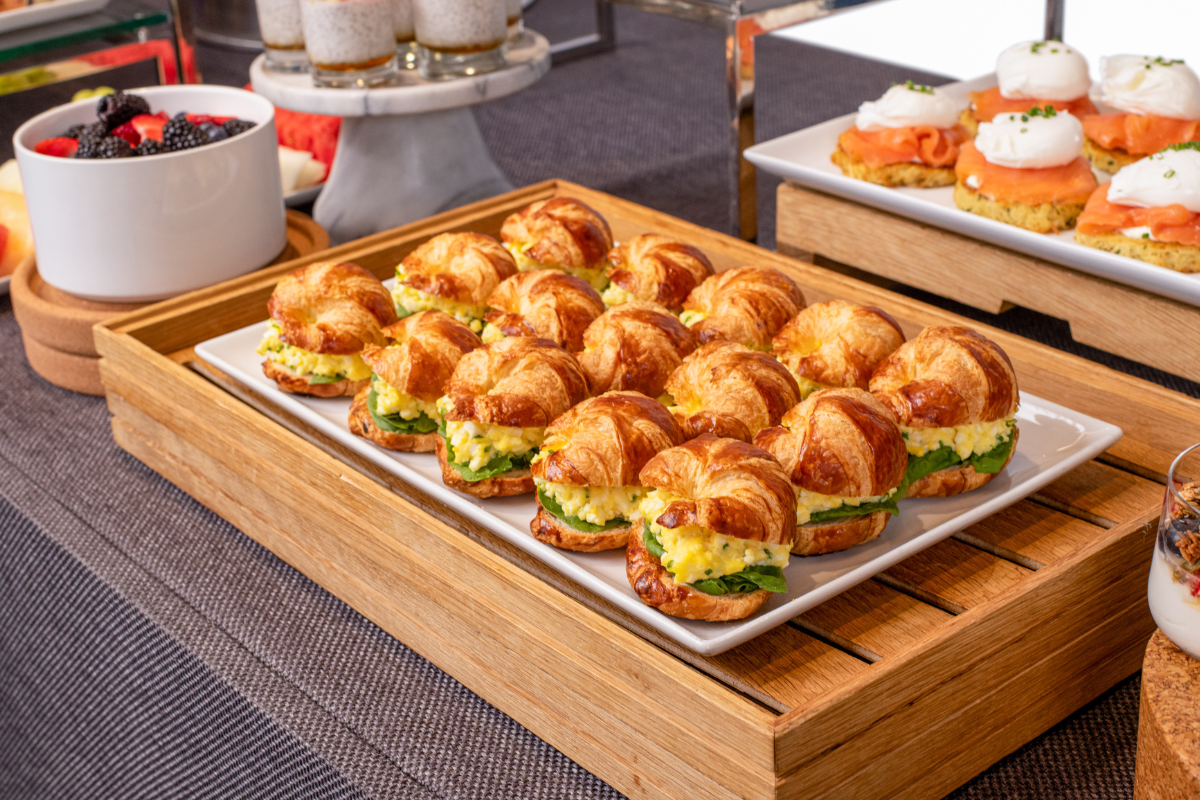
Quick answer: Interactive food stations catering in NYC bring chefs and live preparation directly into the guest experience, letting attendees customize dishes, watch food being finished in real time, and move through a reception at their own pace. For large corporate events and luxury weddings, this format is replacing traditional buffet setups because it turns a meal into an engaging, memorable moment rather than a simple serving line.
Interactive food stations catering in NYC turn dining into a moment guests actively participate in, not just a line they wait in.
Live preparation, chef interaction, and guest customization are replacing static buffet setups at large-scale corporate events and luxury weddings alike.
The best interactive stations are designed as a guest experience first, with menu variety and presentation built around movement through the room, not just food volume.
The Shift From Serving Food to Staging an Experience
For years, large-scale events defaulted to two choices: a formal plated dinner or a straightforward buffet line. Interactive food stations catering in NYC have introduced a third option that borrows the best of both, structured enough to feel elevated, dynamic enough to feel alive.
The difference is participation. A traditional buffet is something guests move through. An interactive station is something guests engage with. Chefs finish dishes to order, guests choose components that reflect their own taste, and the food itself becomes part of the room's energy rather than a backdrop to it.
For corporate hosts and couples planning a luxury wedding, that shift matters. A reception with interactive stations gives guests something to talk about, gather around, and remember long after the event ends.
What Makes a Station Interactive Rather Than Just Stationed
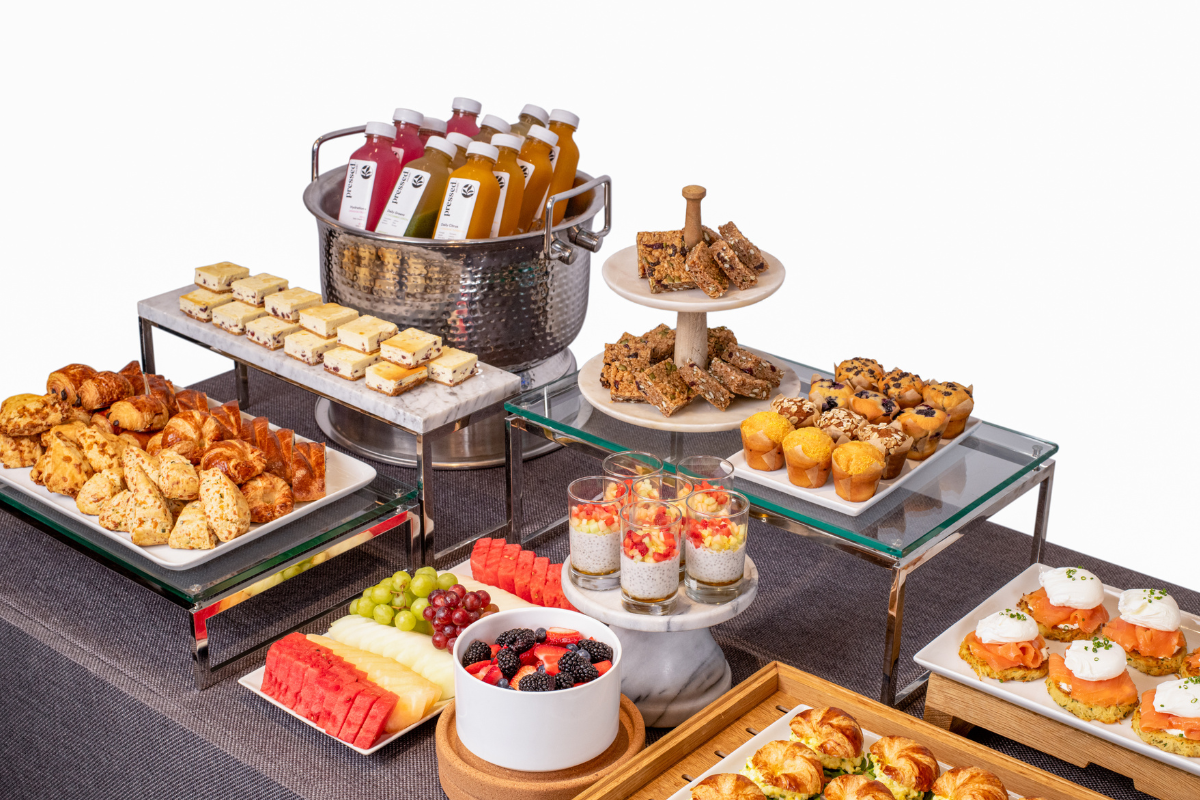
Not every station-style setup qualifies as interactive. A tray of pre-plated bites sitting on a table is still, functionally, a buffet with better lighting. What separates a truly interactive food station is the presence of a chef or attendant actively engaging with each guest.
Live finishing and plating. Dishes are completed in front of the guest, whether that means a sear finished tableside, a sauce added at the moment of service, or a component assembled to order. This keeps food at peak quality and turns preparation into part of the presentation.
Guest-driven customization. Interactive stations often let guests choose between proteins, toppings, or preparations, giving each plate a personal touch without slowing down the flow of the room.
A moment of theater. Whether it is a small plate station finishing an elegant, abbreviated dish in real time or a live carving moment, interactive stations bring a bit of performance to the reception, something a standard buffet line simply cannot replicate.
Why This Format Works for Large-Scale Corporate Events
Corporate events, from product launches to executive galas, need catering that supports networking and movement rather than pulling guests into long, static lines. Interactive food stations solve for exactly that.
Multiple smaller stations spread across a room let guests self-select where and when they eat, keeping conversation and movement going rather than funneling everyone into a single line at once. This also gives event planners more flexibility to place stations near branding elements, lounge areas, or breakout zones, integrating catering into the overall flow of the event rather than treating it as a separate stop.
For events with several hundred attendees, spreading service across multiple interactive points also reduces wait times dramatically compared to a single buffet line trying to serve the same volume of guests.
Why This Format Works for Luxury Weddings

At a wedding reception, interactive stations add a layer of personality and warmth that a single seated menu cannot always achieve on its own. A live station gives guests a reason to step away from their seats, mingle near the action, and experience a moment of the evening that feels crafted specifically for them.
This is also where the idea of an elegant, abbreviated dish comes into play. Rather than a heavy, oversized plate, an interactive station can offer a smaller, thoughtfully composed bite, sophisticated enough to feel like part of a plated dinner, casual enough to keep the celebration feeling relaxed.
That balance is exactly what elevates a station-style reception moment into something guests remember rather than simply a place to grab box lunch catering in NYC.
Designing an Interactive Station Program That Actually Flows
A successful interactive station program is planned with as much intention as a seated dinner. A few core principles guide that planning.
Place stations to encourage movement across the entire room, not clustering all activity in one corner.
Balance the number of stations against guest count so no single point becomes a bottleneck.
Vary preparation styles across stations, such as a raw element, a live-cooked element, and an assembled element, so the experience feels varied rather than repetitive.
Staff each station with enough culinary team members to keep both speed and presentation quality high throughout the event.
Sequence stations to complement the rest of the menu, so they feel like part of one cohesive event rather than a separate add-on.
Getting this sequencing right is what turns a collection of stations into a true interactive experience rather than just several small buffets scattered around a room.
| Element | Static Buffet | Interactive Food Station |
|---|---|---|
| Guest Involvement | Guests serve themselves from a fixed spread | Guests interact directly with chefs and customize dishes |
| Food Presentation | Plated in advance, held for service | Finished or assembled live, at peak quality |
| Room Flow | Single line, higher risk of bottlenecks | Multiple points spread activity across the room |
| Guest Experience | Functional, efficient | Engaging, memorable, a moment in itself |
Bringing It All Together for Your Event
Interactive food stations catering in NYC works best when it is treated as part of the overall event design, not a standalone catering decision. The stations should reflect the same level of thought that goes into the venue, the seating, and the overall guest experience, whether that event is a corporate gathering built around networking or a wedding reception built around celebration.
Done well, food stations catering NYC hosts choose become one of the most talked-about parts of the entire event, not because the food is unusual, but because guests were invited to be part of it.
Frequently Asked Questions
What is the difference between a food station and a buffet?
A buffet is typically a fixed, self-service spread, while an interactive food station involves live preparation, chef interaction, or guest customization at the point of service.
Are interactive food stations appropriate for formal corporate events?
Yes. Many executive galas and product launches use interactive stations specifically because they support networking and movement better than a seated or single buffet format.
How many interactive stations does a large event need?
This depends on guest count and room layout, but spreading service across several smaller stations generally reduces wait times more effectively than concentrating everything in one large station.
Can interactive stations work alongside a seated dinner at a wedding?
Yes. Many luxury weddings use interactive stations during cocktail hour and transition into a seated dinner, giving guests both an engaging opening and a formal centerpiece to the evening.
Do interactive stations require more staff than a standard buffet?
Generally yes, since each station needs a chef or attendant actively preparing or finishing food, but the improved guest flow and experience typically justify the additional staffing.