
What Every Wedding Reception Timeline Needs for Seamless NYC Dinner Service
Quick Answer: A wedding reception timeline should map every moment from guest arrival to the final send-off, including cocktail hour, grand entrance, toasts, each dinner course, dances, and dessert. For seamless NYC dinner service, it must also build in buffer time, venue constraints, and coordination points between your caterer, planner, and entertainment.
A well-built wedding reception timeline protects dinner service by giving every course, toast, and dance a clear place in the evening.
Large NYC weddings depend on coordination between the caterer, planner, venue, and entertainment, and the timeline is what keeps them aligned.
Smart buffers, realistic pacing, and early decisions on key moments keep food hot, guests comfortable, and the celebration flowing.
Why Does a Wedding Reception Timeline Matter for Dinner Service?
Dinner is the longest and most complex stretch of a wedding reception. Hundreds of guests must be seated, served, and cleared while toasts, dances, and photography happen around them. Without a clear wedding reception timeline, these moments compete with one another.
The most common problem is a clash between the program and the food. A toast that runs long can leave plated entrees waiting. A first dance scheduled at the wrong moment can interrupt a course halfway through service. A good timeline prevents these collisions by placing each moment where it supports the meal instead of interrupting it.
For large NYC weddings, the timeline also protects the guest experience. When pacing is predictable, guests relax, conversation flows, and the celebration feels effortless.
What Are the Key Phases of a Wedding Reception Timeline?

Most receptions move through the same major phases. Knowing them helps you plan around the places where dinner service is most sensitive.
How Does Cocktail Hour Set the Foundation?
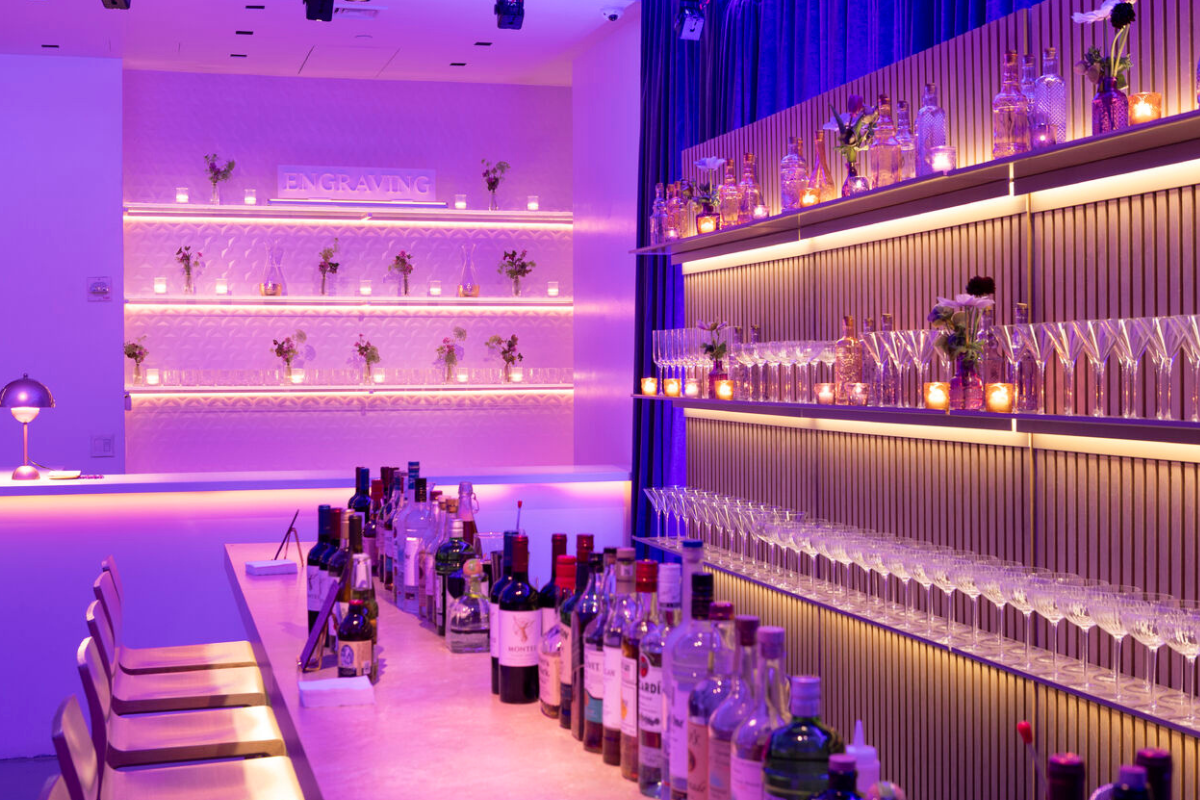
Cocktail hour is the opening act and the bridge between the ceremony and the reception. Guests arrive, mingle, and enjoy passed hors d’oeuvres and stations while the room is finalized for dinner. A wedding reception timeline should allow enough time here for guests to settle without feeling rushed, and for the kitchen and service team to complete final preparations.
When Should the Grand Entrance and First Dance Happen?
The grand entrance signals the transition into the reception. Many couples follow it with a first dance and a welcome toast before the first course. Placing these moments before dinner keeps the energy high and gets key photographs completed while the food is still being finished in the kitchen.
How Should Dinner Service Be Paced?
This is the heart of the evening. Dinner service usually includes a first course, an entree, and sometimes an intermezzo or additional course, with clearing and beverage service between each. The pacing should feel unhurried but steady. Guests should never wait long for a course, and the kitchen should never be forced to hold finished plates.
Where Do Toasts and Speeches Fit?
Toasts are best placed at natural pauses. A common approach is to hold them between courses or just after the first course is cleared. Placing speeches before the entrance of a hot course helps avoid dishes sitting while someone is still speaking.
When Does the Dance Floor Open?
After the main course is cleared, the energy often turns toward the dance floor. Cake cutting and dessert service can be timed to give guests a break from dancing, refresh the room, and offer another memorable moment before the evening winds down.
What Does a Sample Wedding Reception Timeline Look Like?
The table below shows how a typical flow can be organized for a large seated wedding. Every wedding is different, so durations are flexible and should be refined with your planner and caterer.
| Phase | Typical Length | What Dinner Service Needs |
|---|---|---|
| Cocktail Hour | 60 minutes | Passed hors d'oeuvres, stations, and a ballroom flip to final dinner setup |
| Entrance and First Dance | 15 to 20 minutes | Guests seated, first course ready to plate on cue |
| First Course | 25 to 30 minutes | Synchronized service so all tables are served together |
| Toasts | 15 to 20 minutes | Quiet service pause, glasses filled before speeches begin |
| Entree | 45 to 60 minutes | Hot plates delivered together, followed by careful clearing |
| Dancing and Cake | 30 to 45 minutes | Cake cutting and dessert service timed to a natural break |
| Send-Off | 15 minutes | Final beverage service and a smooth transition to breakdown |
How Do You Build Buffer Time Into a Wedding Reception Timeline?
Even the best plans meet surprises. A relative takes extra time at the microphone. Photographs run a few minutes over. A guest arrives late to the cocktail hour. Buffers keep small delays from becoming service problems.
Add short cushions around the moments most likely to stretch, especially toasts, entrances, and photography. Share these buffers with your caterer so the kitchen knows when it can hold a course and when it must send it out. A caterer who understands the flexibility in your wedding reception timeline can adjust quietly without guests ever noticing.
How Do NYC Venues Shape Your Timeline?
New York venues bring their own rhythm. Many have set windows for load-in, specific kitchen access, elevator schedules, and firm end times. Some hosts require strict sound cutoffs. These limits directly affect how the evening can unfold.
Share the venue contract details with your planner and caterer early. Knowing when the space becomes available, how food travels from kitchen to ballroom, and when breakdown must begin lets the team build a wedding reception timeline that works inside real constraints.
Cloud Catering has worked across a wide range of New York venues since 2011, and that familiarity helps the team anticipate the logistics each space presents. Its event managers coordinate with venue staff, planners, and vendors so the plan holds together on the day.
Who Should Coordinate Your Wedding Reception Timeline?
A timeline works best when everyone who touches the evening has seen it. That includes your planner, caterer, venue manager, photographer, videographer, band or DJ, and any other key vendors.
Before the wedding, hold a final walkthrough of the plan. Confirm who cues the entrance, who signals the kitchen to begin each course, and who manages the microphone for toasts. A single point of contact on the day, often the planner or an event manager, keeps communication clean and decisions fast.
What Should You Finalize Before the Wedding?
A few decisions make the biggest difference to dinner service. Settle these before your final timeline is shared with the full team.
Confirm the total guest count and seating plan.
Decide how many courses you want and whether an intermezzo is included.
Choose where toasts and speeches will fall relative to each course.
Set the timing for cake cutting and dessert.
Confirm all dietary needs so special meals can be served with the same timing as everyone else.
Once these are locked in, the culinary and service teams can plan every detail around a clear, shared schedule.
Frequently Asked Questions
How long should a wedding reception timeline be?
Most large seated receptions run between four and five hours, including cocktail hour, dinner, toasts, dancing, and send-off. The right length depends on your venue contract, number of courses, and how much entertainment you plan. Build the schedule around your venue window with a few buffers included.
When should toasts happen during dinner service?
Toasts work best at natural pauses, usually between the first course and the entree. This keeps hot dishes from waiting and gives speakers a quiet room. Share the speaker order with your caterer so servers can time beverage service and clearing around each speech.
How does the caterer use the wedding reception timeline?
The caterer uses it to decide when to fire each course, position staff, and coordinate with the kitchen. A clear wedding reception timeline lets the culinary team plate food at the right moment so every dish reaches guests at its best temperature.
What happens if the timeline runs behind schedule?
A prepared team adjusts quietly. Buffers, clear communication, and an event manager who can signal the kitchen help absorb delays without rushing guests. In many cases, a small change like shortening a transition keeps the evening on track without anyone noticing.
Who should receive the final wedding reception timeline?
Share it with your planner, caterer, venue manager, photographer, videographer, and entertainment. Everyone involved in the evening should know the key cues so toasts, dances, and courses move together. Confirm the final version close to the wedding so any last updates are included.